
Adopt-A-Stream: May 2027
Adopt-A-Stream is a volunteer-based initiative that empowers community members to protect local streams and rivers by monitoring water quality. Volunteers are trained, teamed-up, assigned sites, given equipment and data sheets then sent out into the field to gather information on streamside habitats, physical characteristics, and aquatic insect populations.
Our most recent Adopt-A-Stream event was held Oct. 3, 2026. The next event will be held May 2027.
Fall 2026 Adopt-A-Stream Events
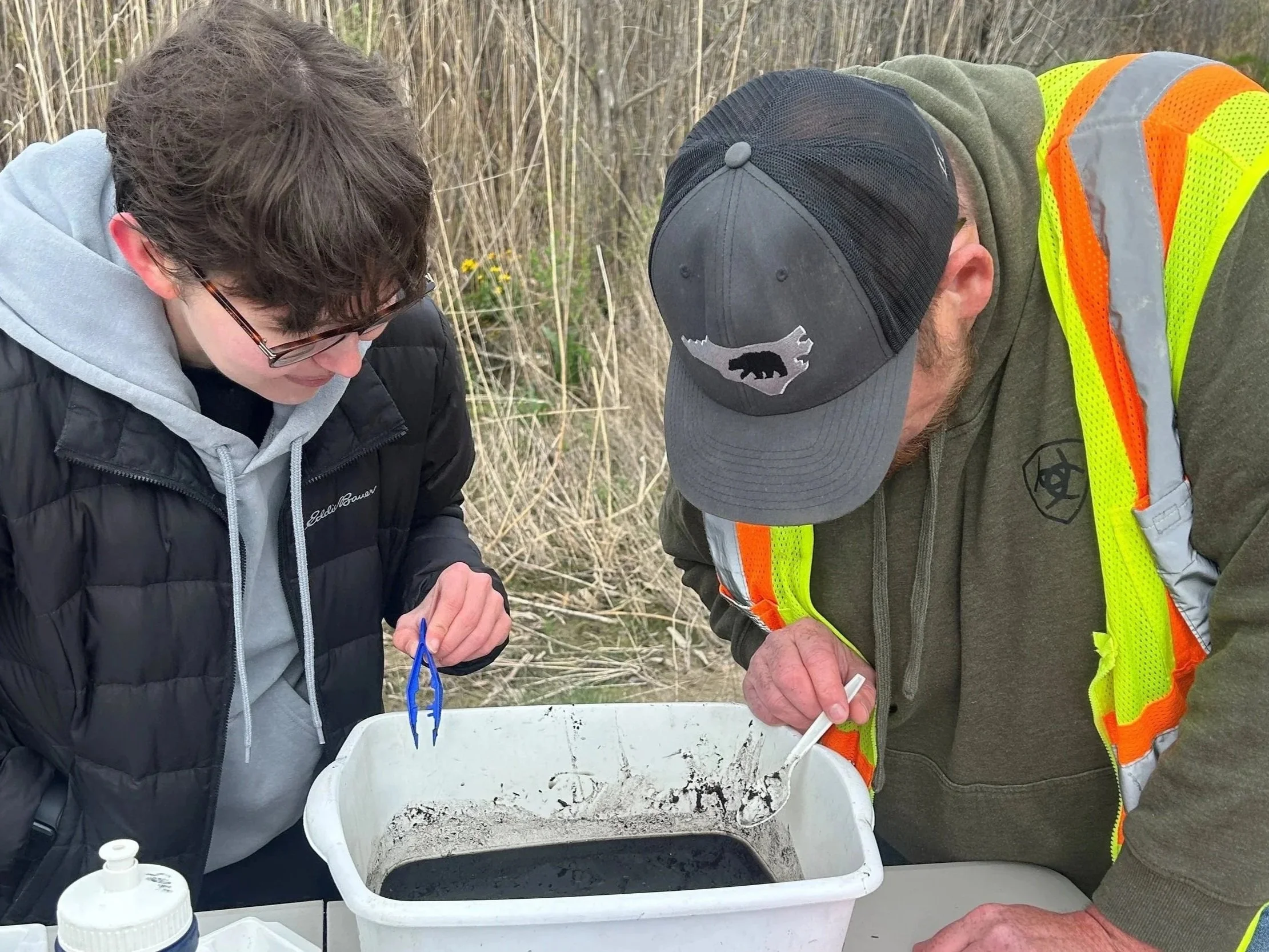
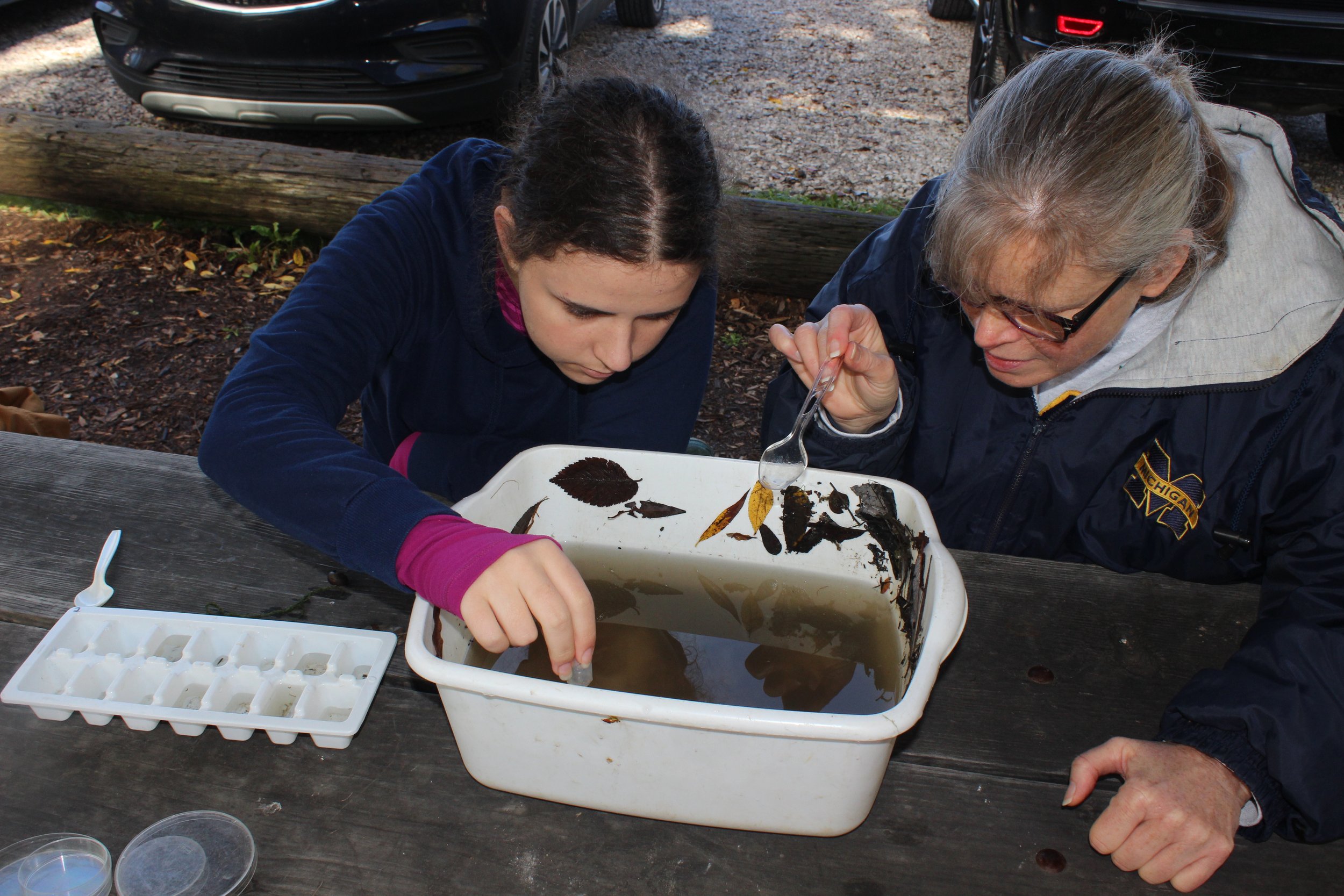
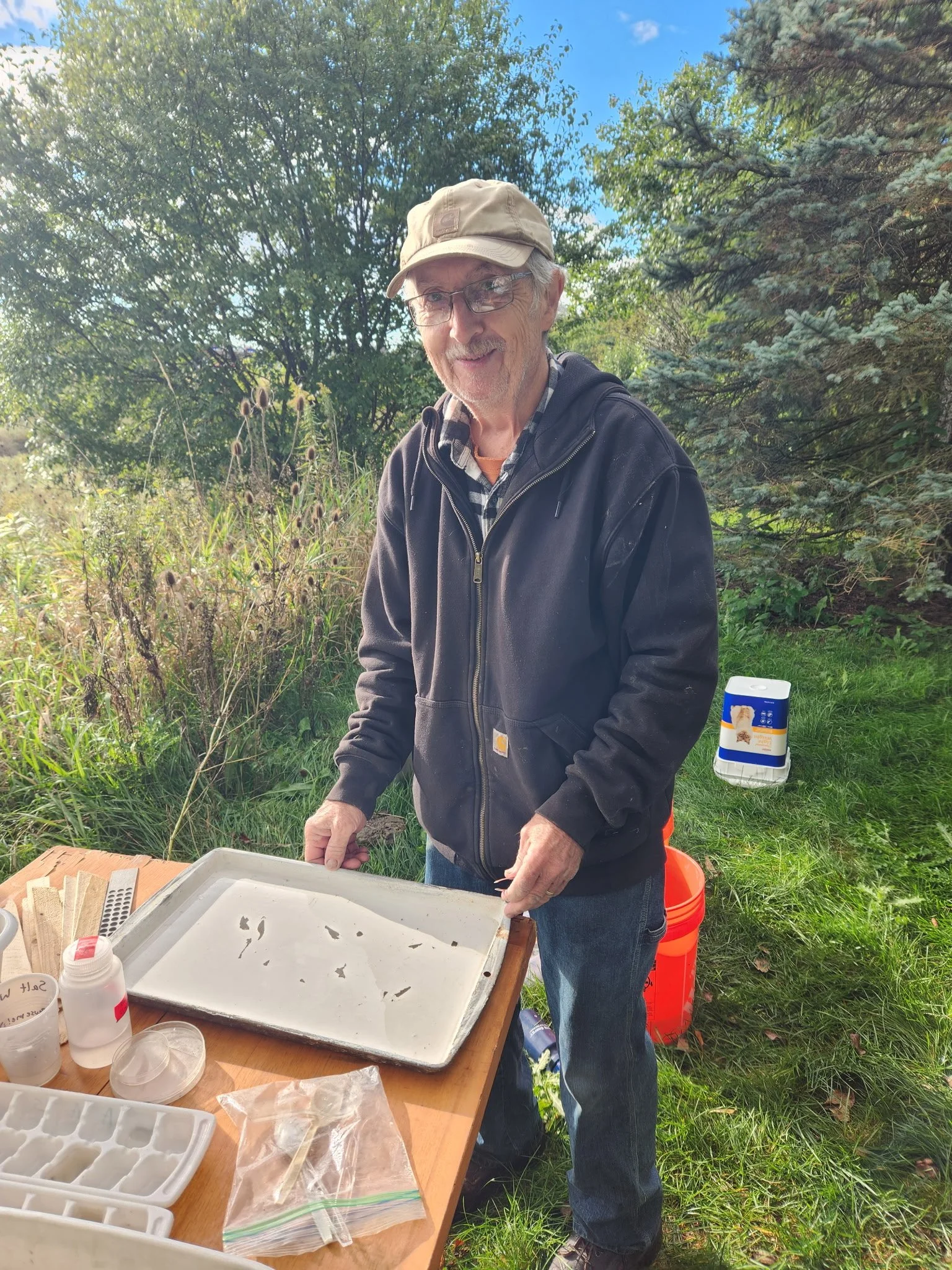
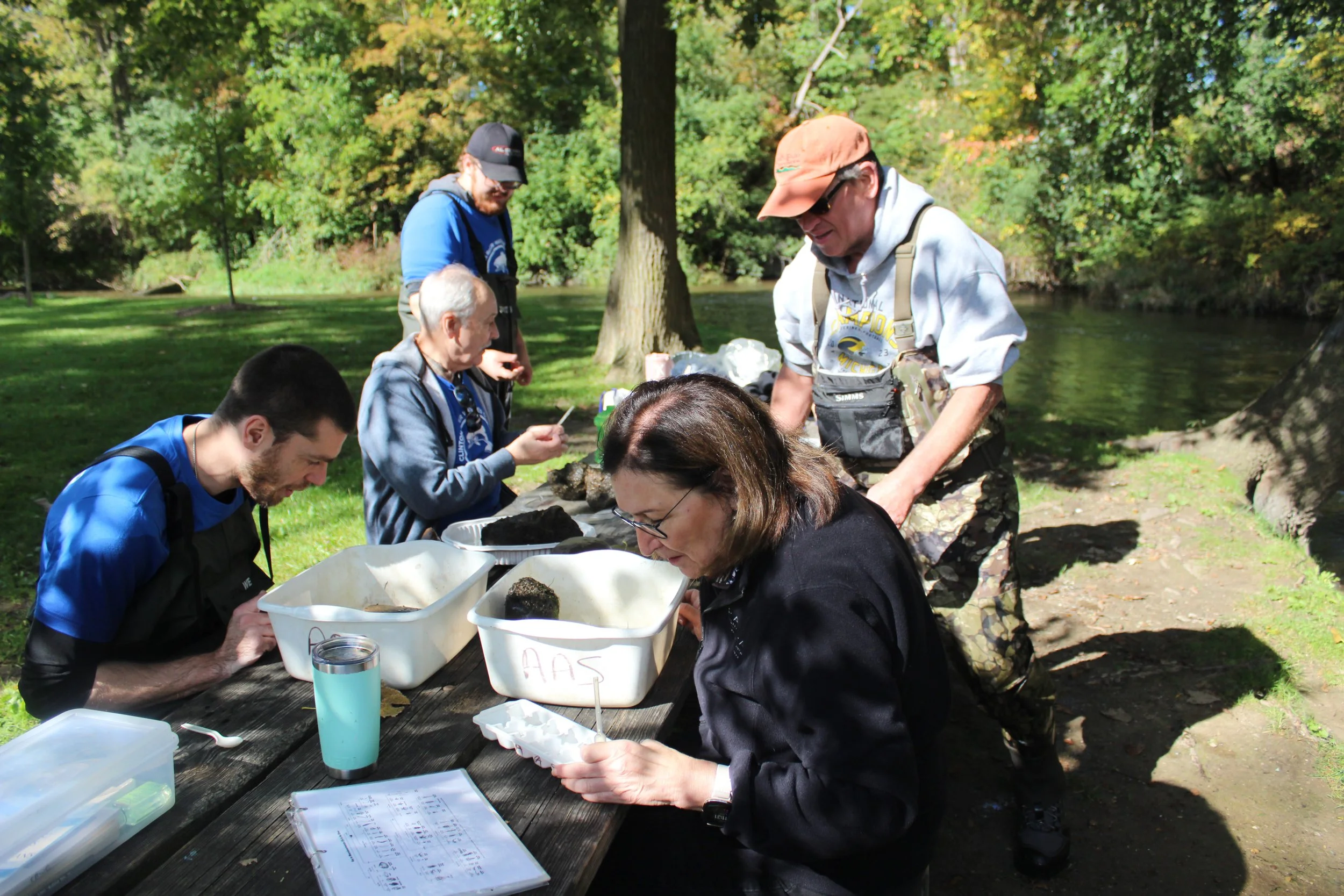
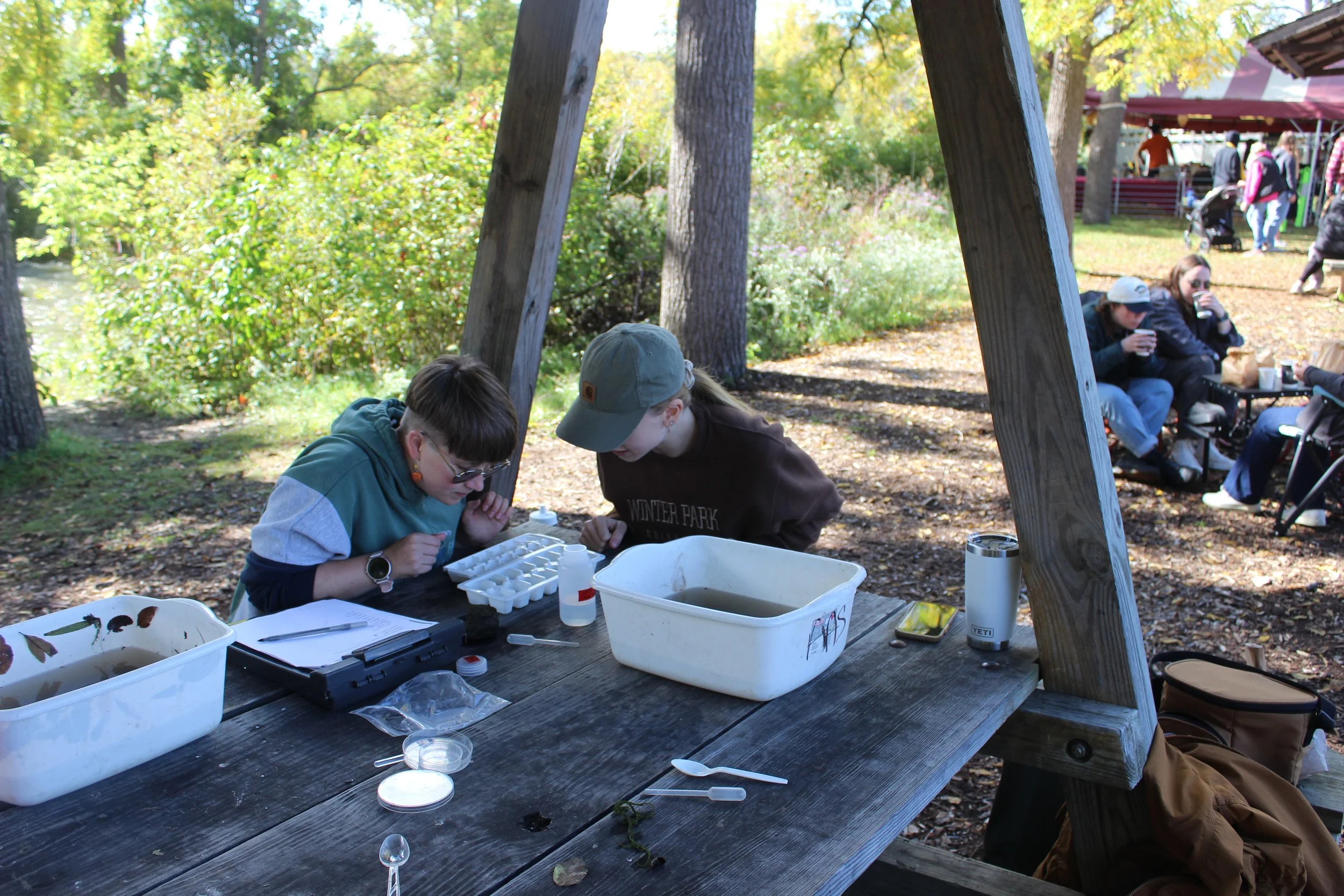
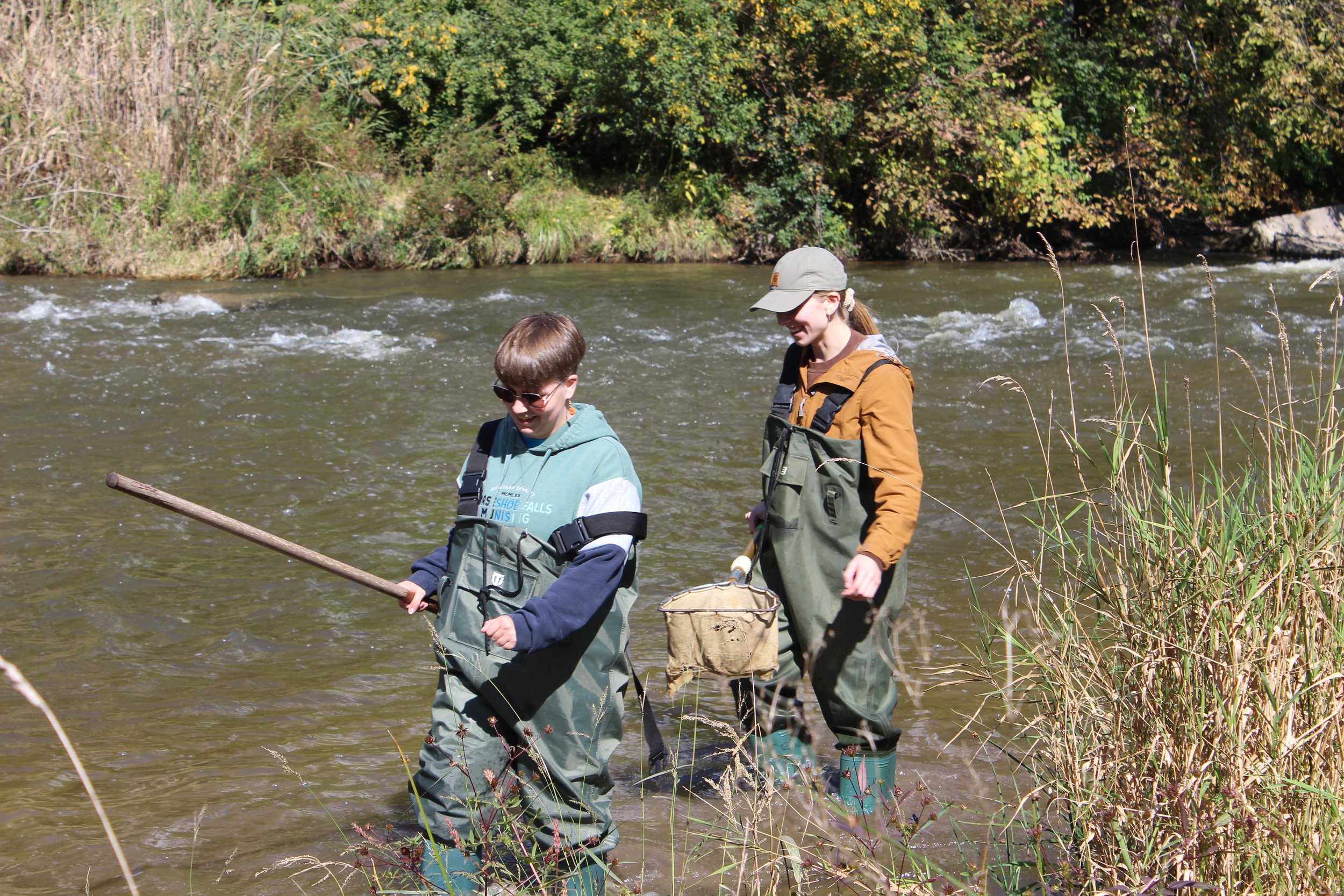
FALL 2026 ADOPT-A-STREAM PHOTOS
SMALL RIPPLES MAKE BIG WAVES
You don’t have to be a scientist to make big improvements in our environment! Everyday people getting involved in water quality monitoring has resulted in positive changes across the nation, the state and right here in the Clinton River watershed. The water quality data collected by CRWC volunteers has been utilized to identify and resolve soil erosion problems and to help select and fund specific locations for brook trout and coldwater stream restoration projects.


MONITORING THE RIVER'S PULSE
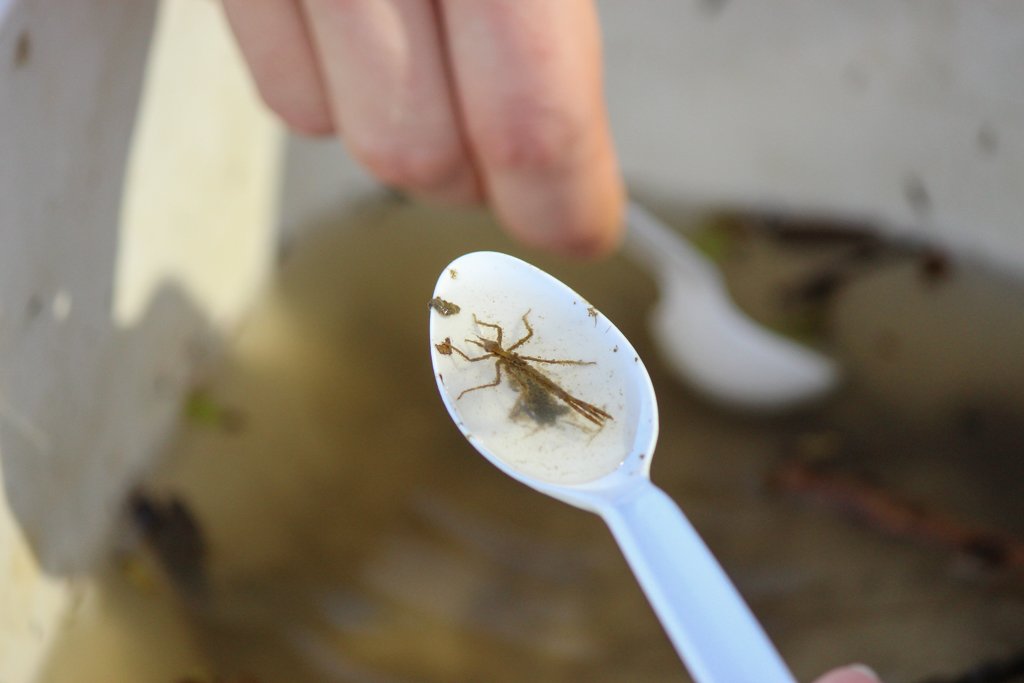
A stream’s health can be determined by the number and types of bugs and aquatic insects that live in it. In May and October, the Adopt-A-Stream volunteers perform “Bug ID’s” and gather other valuable data that is then utilized to assess the water quality and support important decision-making regarding waterway protection and restoration.
HOW IT WORKS
Volunteers are broken into groups to survey sites throughout the watershed. Each group is assigned a site, and many groups return to the same site every year.
Team Leaders help their groups coordinate and follow site procedures to ensure that data is being collected in a safe and consistent way. Each team fills out a Stream Survey Form to guide their monitoring efforts.
Adopt-A-Stream site monitoring consists of:
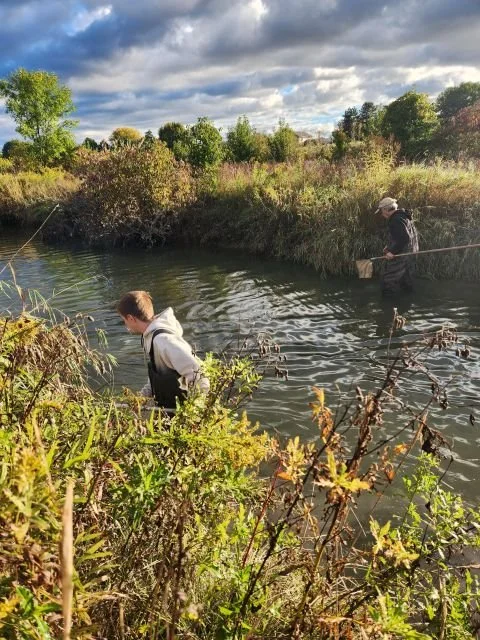
Collecting samples from the river using a net
Finding macroinvertebrates in the samples
Identifying habitat types
Describing stream characteristics including, the width, presence of vegetation, progress of erosion, and amount of tree canopy cover
Categorizing bottom composition of the stream
Identifying nearby land use
Conducting a chloride test
Reporting on trash, debris, and invasive species

-
Decide if you want to be a Team Leader or a Team Participant. Also, decide if you want to become “Bug ID Certified.”
-
If you’re interested in becoming a certified Bug Identifier, you must attend and pass the Bug ID Course offered by the CRWC biannually.
-
After training is completed, the CRWC will coordinate a site selection. Teams of 3-5 individuals are recommended. Youth (under 18 years of age) are welcome to participate, but an adult Team Leader must ensure that protocols are followed correctly.
-
You will be contacted by your Team Leader prior to the monitoring weekend. If you are a Team Leader, it is your job to coordinate the kit pick-up from the CRWC office and organize your team for the monitoring weekend.
-
Stream monitoring takes place the first Saturday in May and October. Depending on the number of team members present, the entire process lasts approximately 3 hours. The CRWC will send reminders to Team Leaders to help prepare for the upcoming monitoring season. Team Leaders will contact their team members to schedule their monitoring days and times.
Adopt-A-Stream Data Dashboard
Welcome to CRWC’s new data dashboard. Launch the dashboard by clicking below:
PAST MONITORING DATA
Data is available from recent monitoring efforts. Click to download a yearly monitoring report or visit our data page to see site-by-site data.