Stormwater Education
WHAT IS STORMWATER?
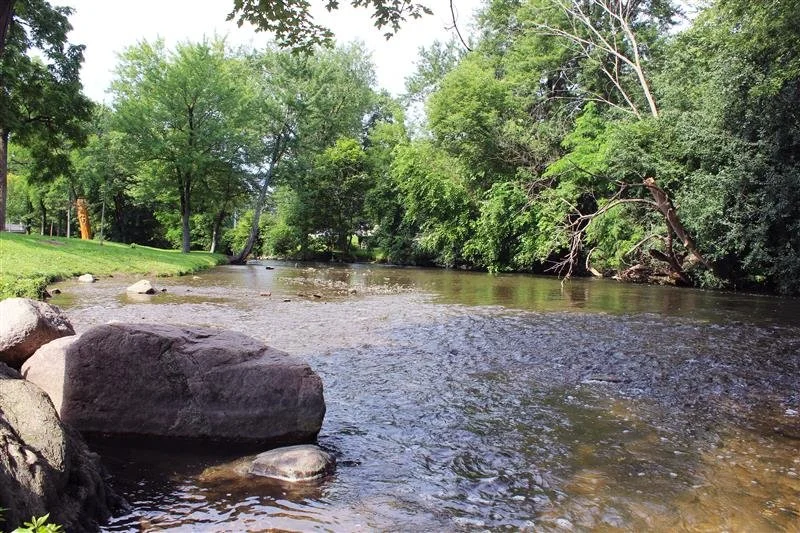
A watershed is an area of land that drains into a common body of water. The Clinton River watershed spans 760 square miles and is the most populated watershed in the state of Michigan with over 1.5 million people. The Clinton River drains into Lake St. Clair, which is the drinking water source for over 4 million people. Stormwater runoff is the greatest source of water quality impairments in the Clinton River, its watershed, and Lake St. Clair.
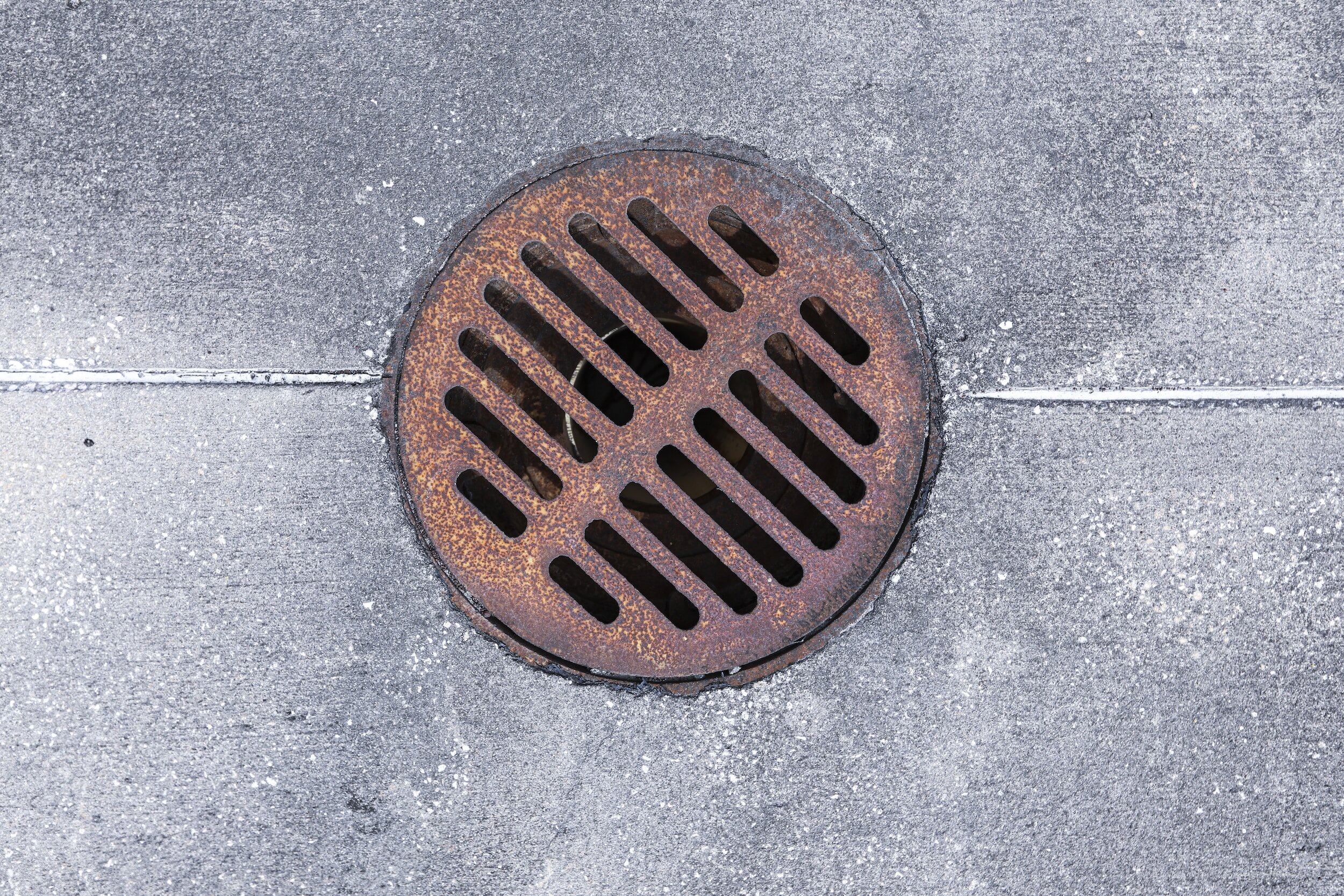
When precipitation such as rainfall and snowmelt pass over impervious surfaces such as roofs, sidewalks, parking lots, roads, and turf grass, it becomes what is known as stormwater runoff. Stormwater runoff picks up pollutants such as oils, metals, salts, pet waste, fertilizer, grass clippings, and other materials that sit on these impervious surfaces. This stormwater runoff ultimately flows into storm drains and the storm sewer system.
Storm drains and storm sewer systems are installed in urbanized areas to convey stormwater in order to prevent flooding. Increased population density leads to increased development, which in turn means more stormwater. The quantity of stormwater is also a concern, with storm surges often causing heavy bank erosion, flooding, and sometimes sewage overflows.
The pollutants that stormwater picks up are ultimately carried downstream into local waterways including wetlands, ponds, streams, rivers, and lakes. The pollutants in stormwater lead to algal blooms, high bacteria counts, and other water quality issues. Stormwater surges cause erosion, streambank failures, and increased sedimentation. Both of these inputs have a detrimental impact on our unique ecological systems including habitat for wildlife and fish, public health, and the natural beauty of our lakes, rivers, and streams.
Through stormwater education, public awareness, and environmental regulations there are positive changes taking place with residents, businesses, and municipalities who are taking action to improve and preserve our natural resources.
STORMWATER DRAIN STEWARDS AND MURALS
Storm Drain Murals
The Clinton River Watershed Council selected five artists to paint storm drains murals in Troy during the summer of 2026.
By combining art and science, these murals inspire the public to be curious about where the storm water goes and how it impacts our waterways. Residents don't always associate rivers and lakes with the storm drains in our streets or parking lots. The water that enters storm drains during rain events or snowmelt go directly into the Clinton River and then Lake St. Clair. Along the way, it picks up pollutants that accumulate and impact our water.
Storm Drain Stenciling
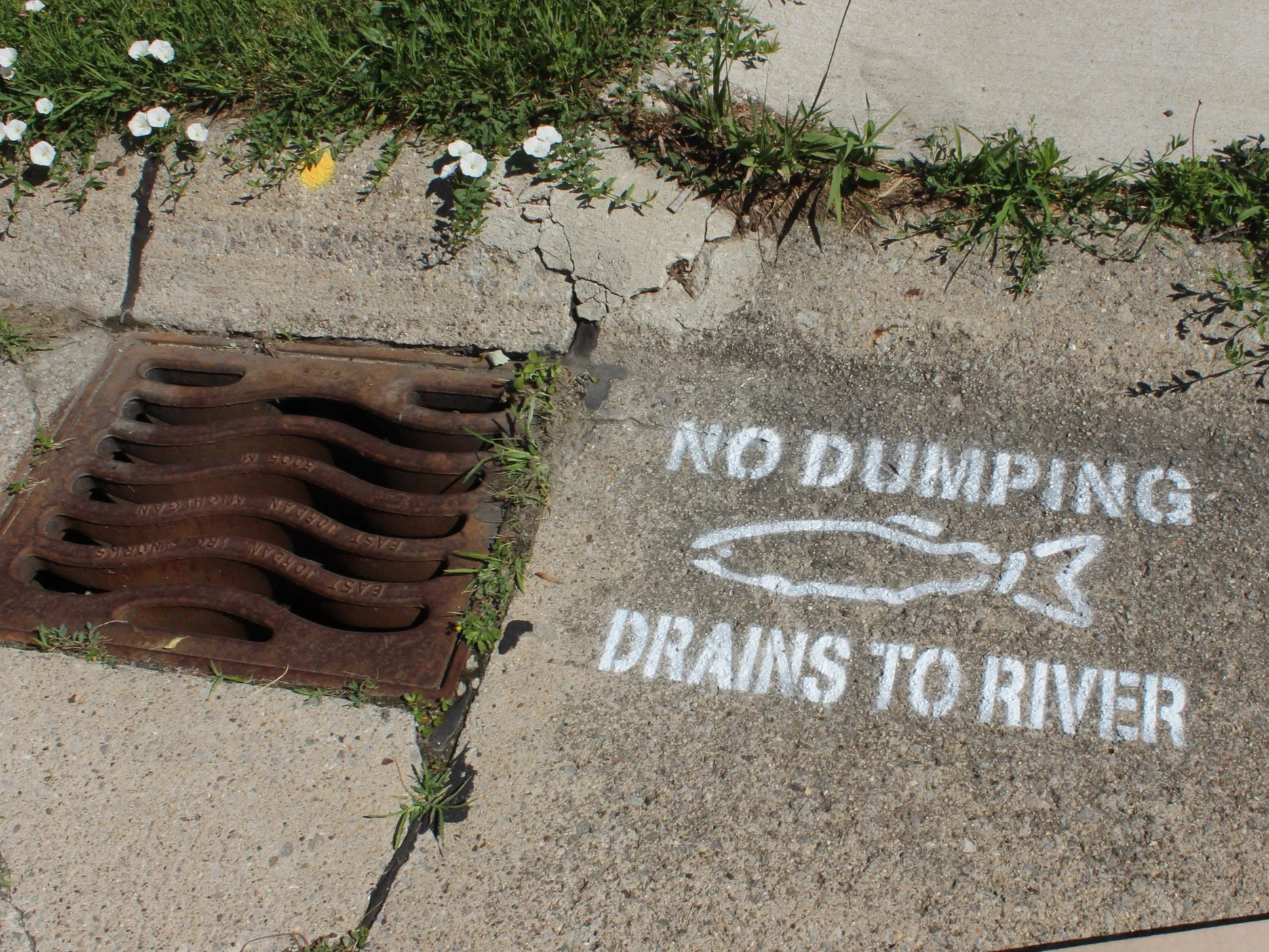
CRWC and Madison Heights launched a Storm Drain Stewards project in summer 2026. Volunteers helped stencil storm drains across Madison Heights. The stencils read, "No Dumping, Drains to River" in order to discourage residents from dumping garbage and other contaminants into drains.
Sponsored by Pure Oakland Water (POW).
Adopt-A-Drain
Adopt-A-Drain participants take charge of their local storm drain.
The responsibility includes:
Clearing the drain of debris
Maintaining storm drain stencil message
Reporting illicit discharges
Click here to learn more.
STORMWATER COMMUNITIES
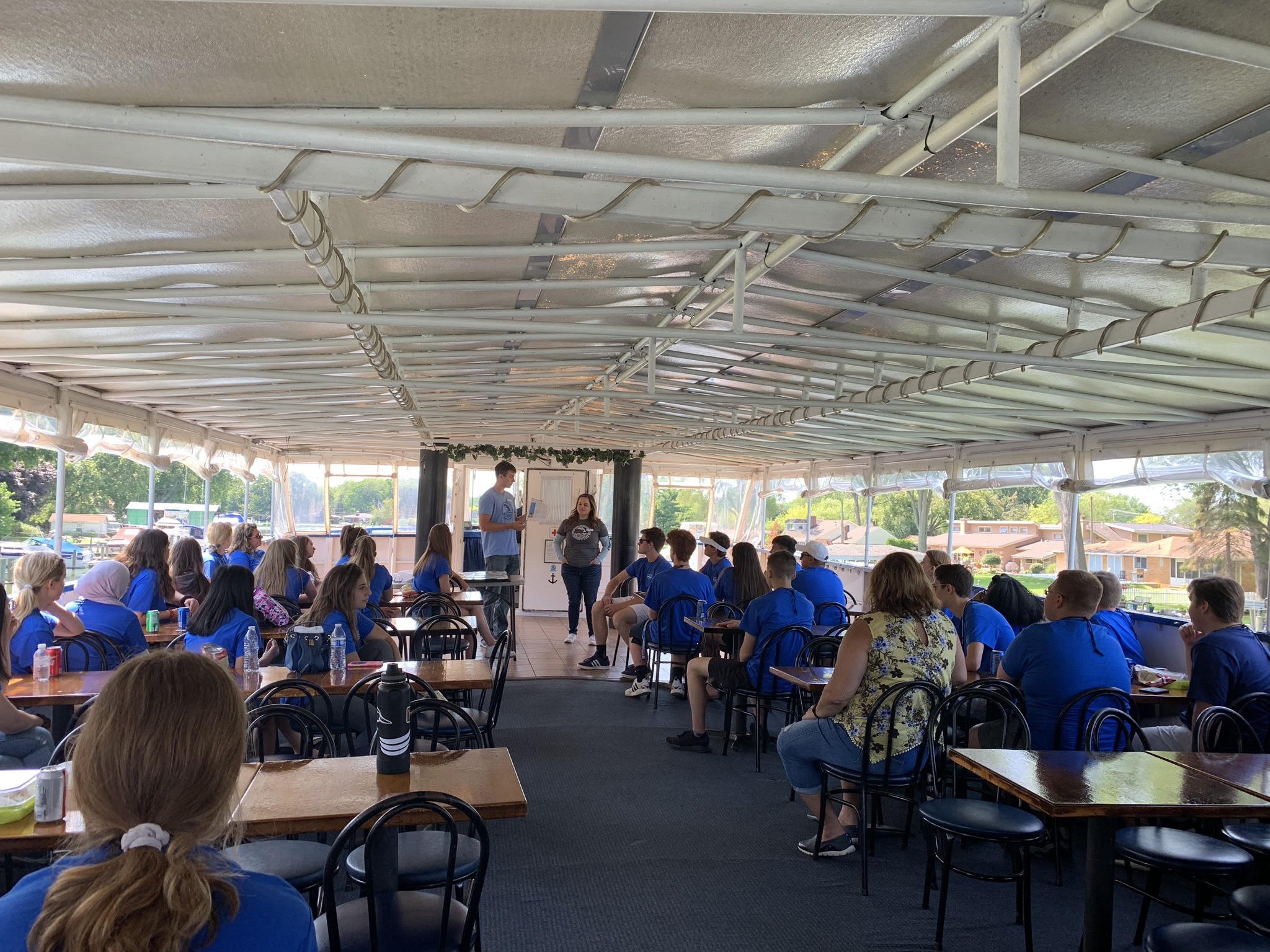
CRWC assists communities that must comply with the NPDES Phase II stormwater discharge regulations. Communities located within the Clinton River watershed that own or maintain any structure that conveys stormwater to the Clinton River or Lake St. Clair must comply with regulations outlined in the Municipal Separate Storm Sewer (MS4) permit. CRWC’s Stormwater Education Program aids with MS4 environmental compliance through the collaborative Public Education Plan (PEP). However, the Clinton River Watershed Council believes fulfilling permit requirements is not the only reason to educate the public about water quality. CRWC also provides community programming, k-12 education, citizen-science programs, educational resources, stewardship events, and more as part of the Stormwater Education Program.
For the updated Stormwater Education Public Education Plan, click here!
If you are a current stormwater community or want more information on becoming a stormwater community click the button below.
HOMEOWNERS & RESIDENTS
CRWC wants to share stormwater education in your community! With topics ranging from Rain Gardens and Rain Barrels, Septic Care and Maintenance, to Lakeshore Management for Water Quality and more, we are committed to educating watershed residents on their role in protecting water quality.

GET INVOLVED
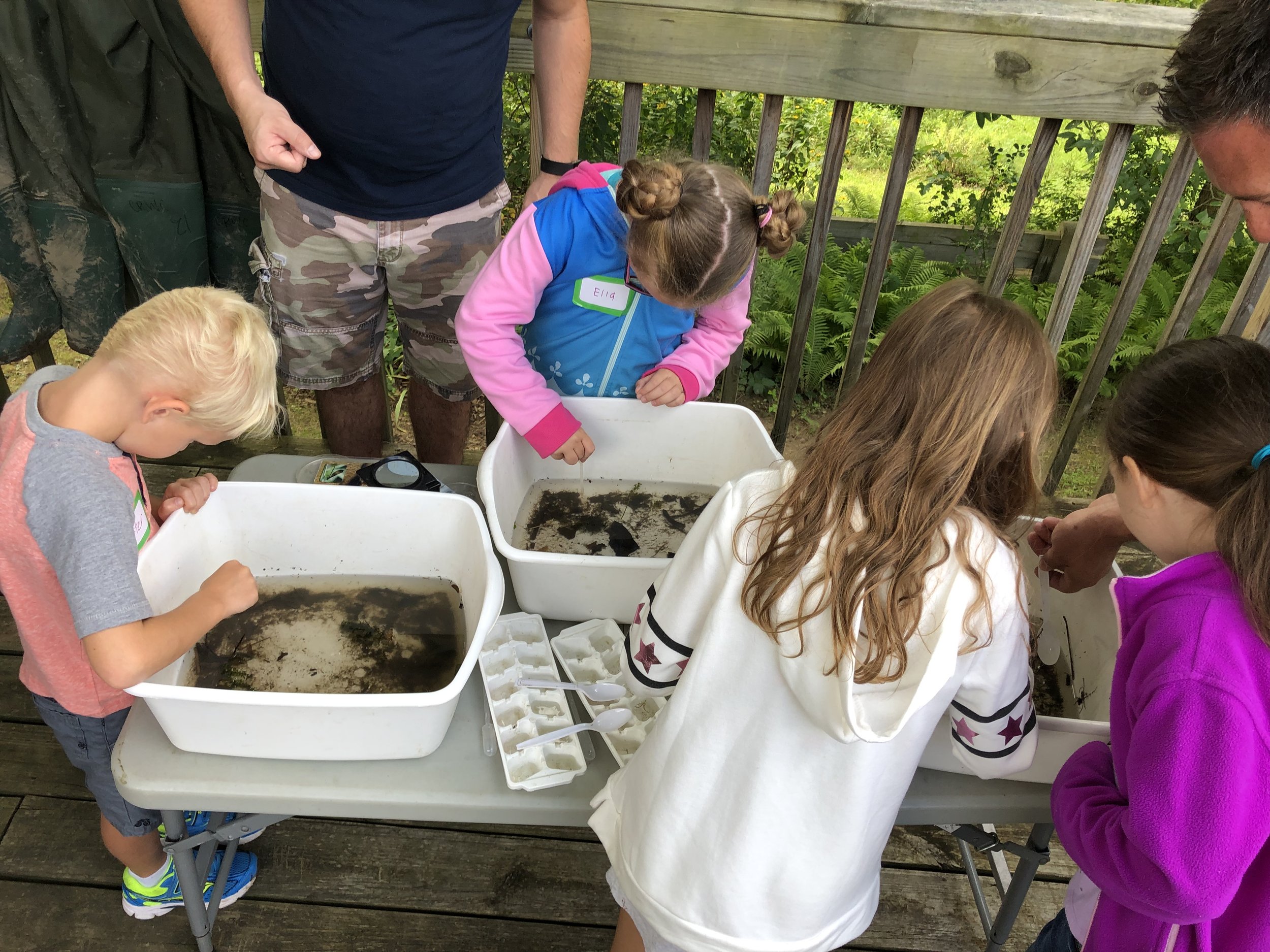
CRWC offers a variety of educational opportunities for homeowners to learn more about stormwater and steps that they can take at home to help protect our freshwater resources:
RIVERSAFE LAKESAFE - As part of our stormwater education program, the RiverSafe LakeSafe program educates homeowners on environmentally friendly practices. To learn more about RiverSafe LakeSafe click here!
PRESENTATIONS - CRWC presents on a wide array of topics from stormwater 101 to native plantings and pollinators. To view a full list of presentations or request a presentation topic, click here!
STORM DRAIN MURALS - Apply to be an artist for our Storm Drain Murals program. We’re looking for five artists to paint murals in Troy during summer 2026. These murals will inspire the public to be curious about where the storm water goes and how it impacts our waterways.
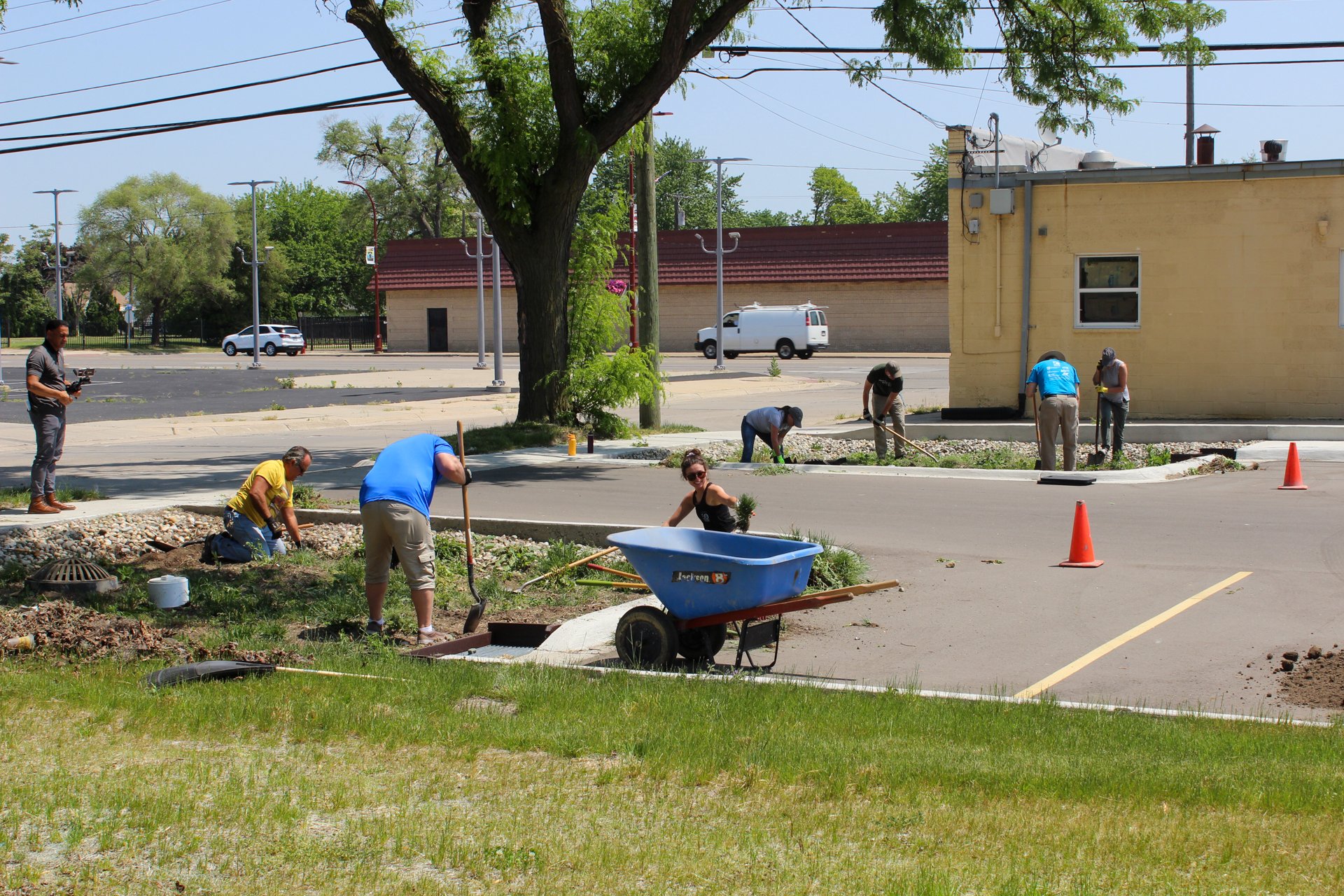
Interested in taking an active role in protecting your freshwater resources? CRWC has many areas that volunteers of all ages can get involved in:
STORM WATER ARTICLES