
What’s Beneath Your Wheels?
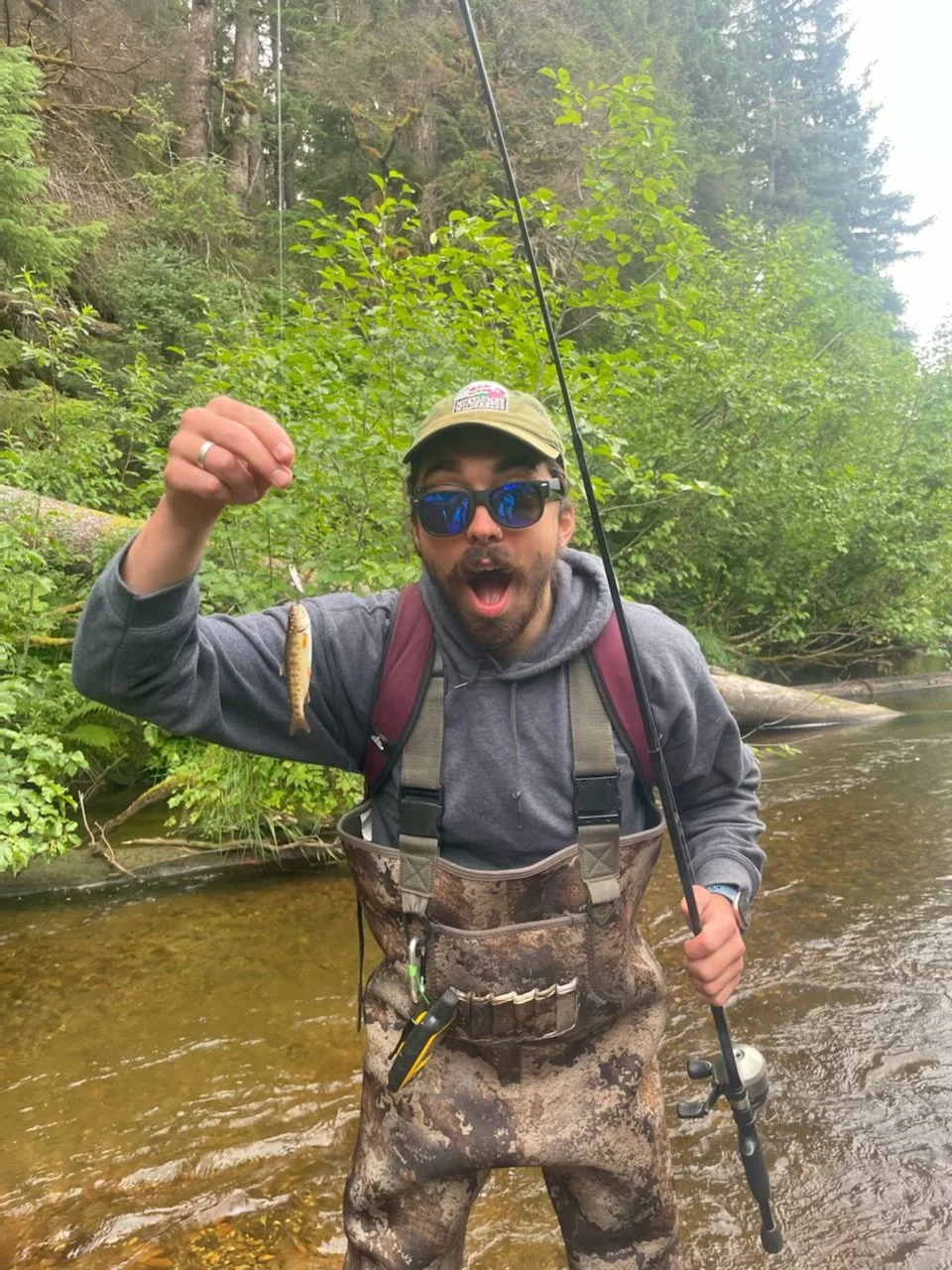
How often do you think about the ecosystem you’re driving over? Before I began working as a Fish Passage/Road Stream Crossing Technician for the Clinton River Watershed Council (CRWC) this summer, my answer would have been almost never. This position is focused around assessing the road stream crossings, including evaluating the structural conditions of culverts, bridges, and/or dams. In addition to evaluating structure condition, these assessments aim to see if these crossings are barriers for aquatic species such as fish and mussels or if they can freely pass through. Our infrastructure can be a huge barrier for these species due to the lack of knowledge we had when initially installing them. Too high/low or fast/slow flows create barriers for aquatic species that contribute to habitat fragmentation.Since I’ve begun this work, I’ve learned to look more closely at the roads I travel on and what's crossing over and beneath them.
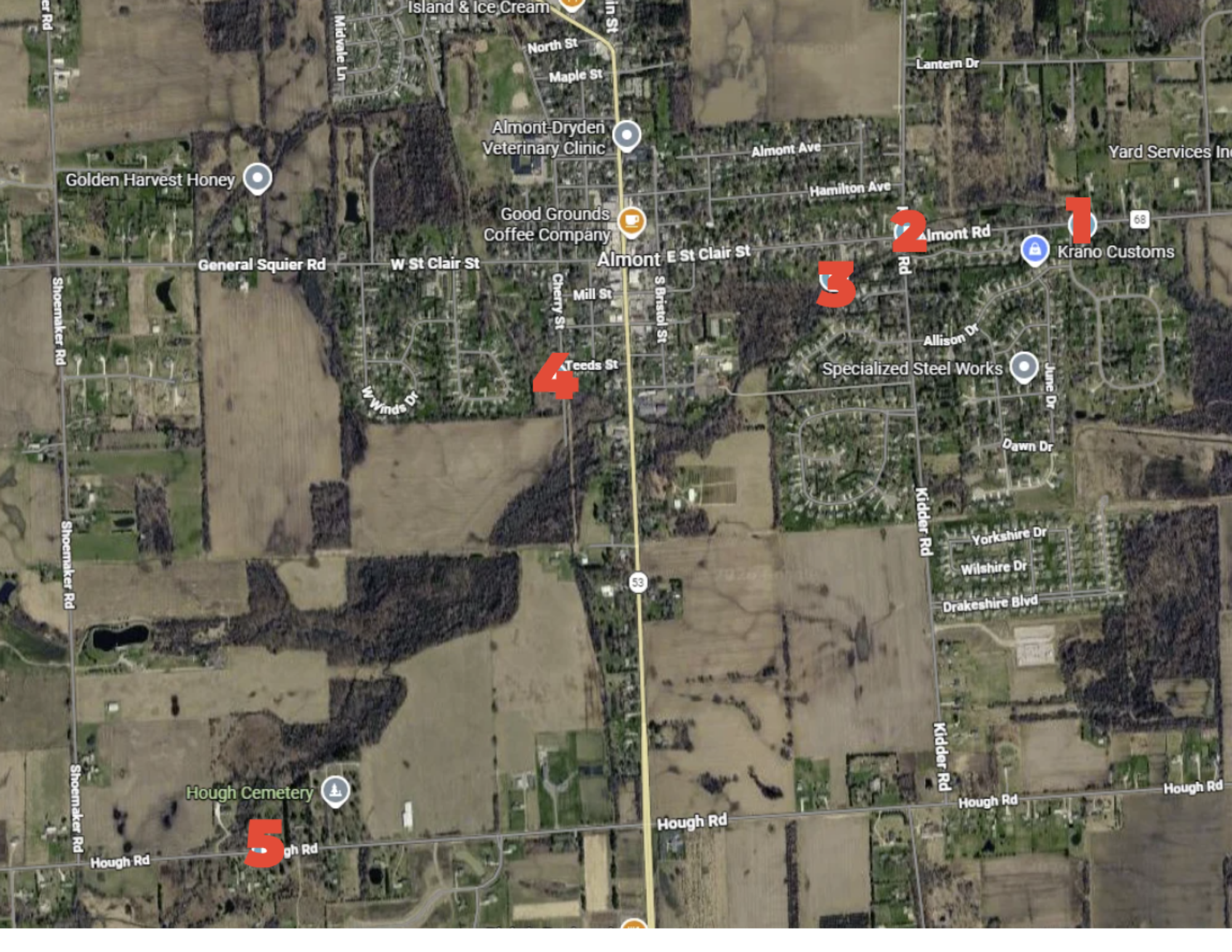
Below is a map of road stream crossings I’ve visited around the Almont area and some of the natural beauty of these sites.
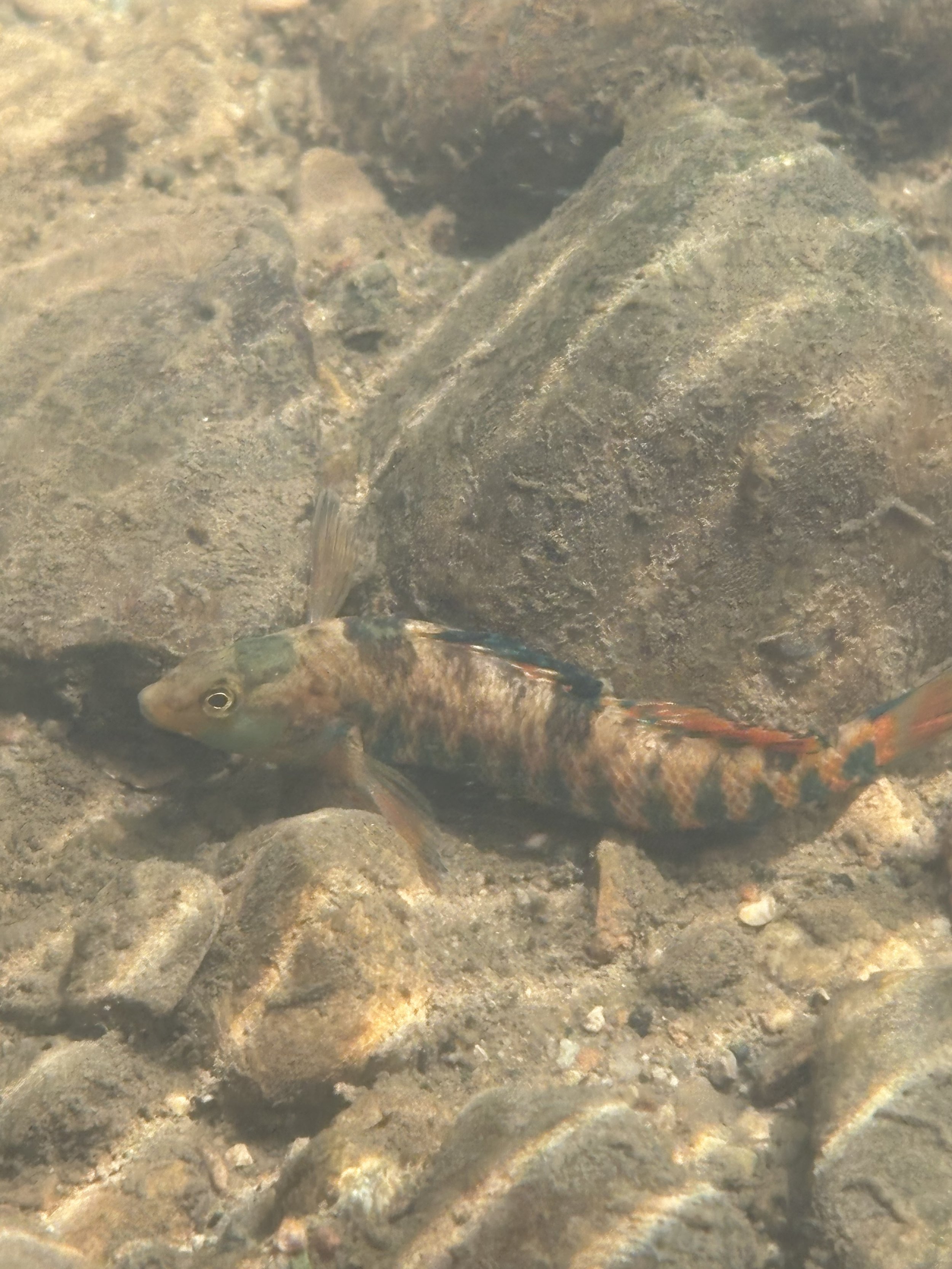
Green Sided Darter (Etheostoma blennioides) - These colorful fish are not only beautiful to look at, but also an indicator of good water quality. They thrive in fast flowing riffles and gravel-bottomed portions of streams and rivers. Their presence gives us hope to see continued improvement in water quality in the North Branch of the Clinton River.
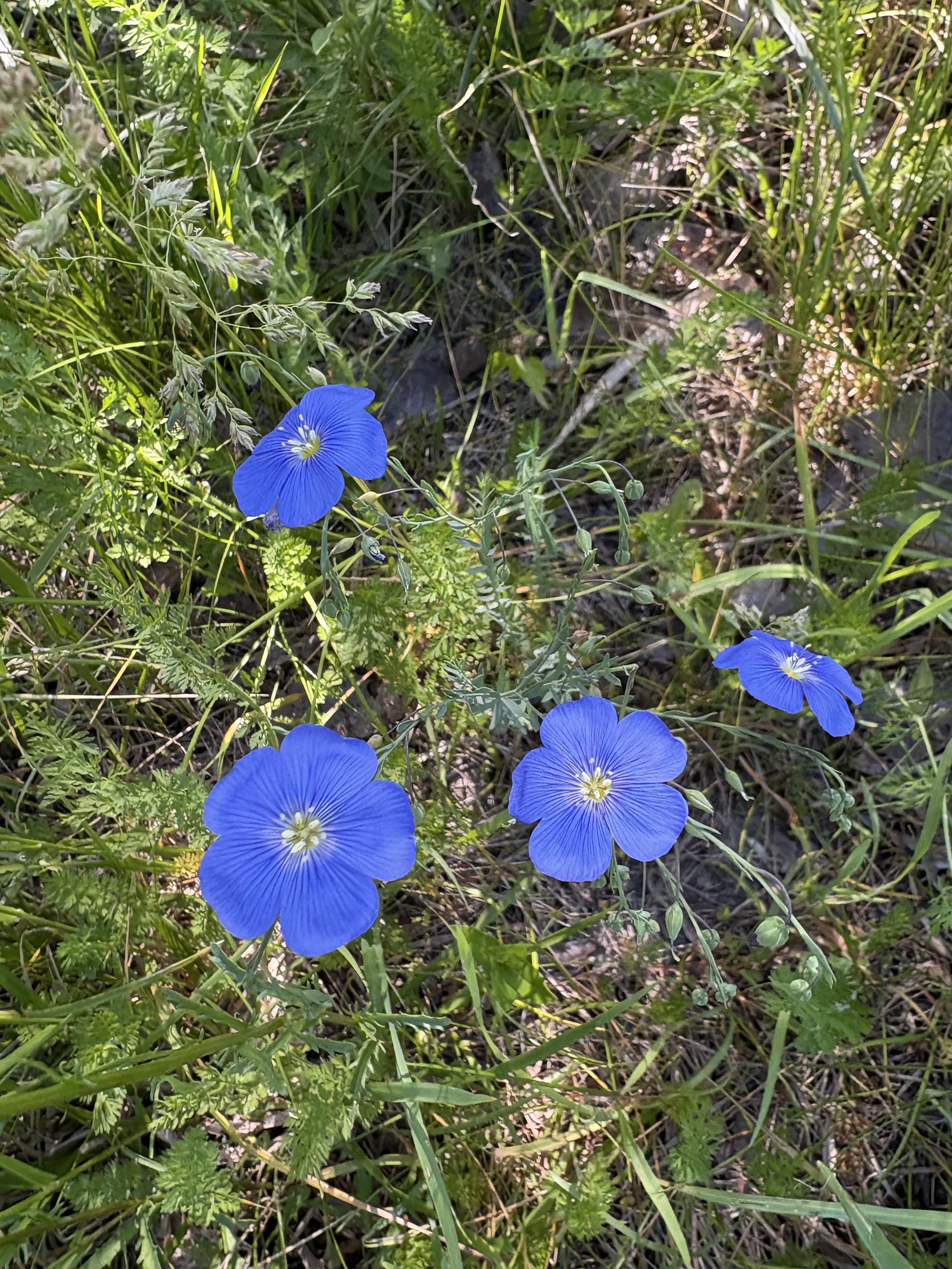
2. Blue Flax (Linum lewisii) - This is a native species with a color you don't see too often in nature. While Blue Flax is named after Meriwether Lewis of the Lewis and Clark expedition, it had a role in indigenous communities long before he set out west. Its fiber was used for basketry and cordage as well as medicine and food according to Flowers Luxe Encyclopedia.
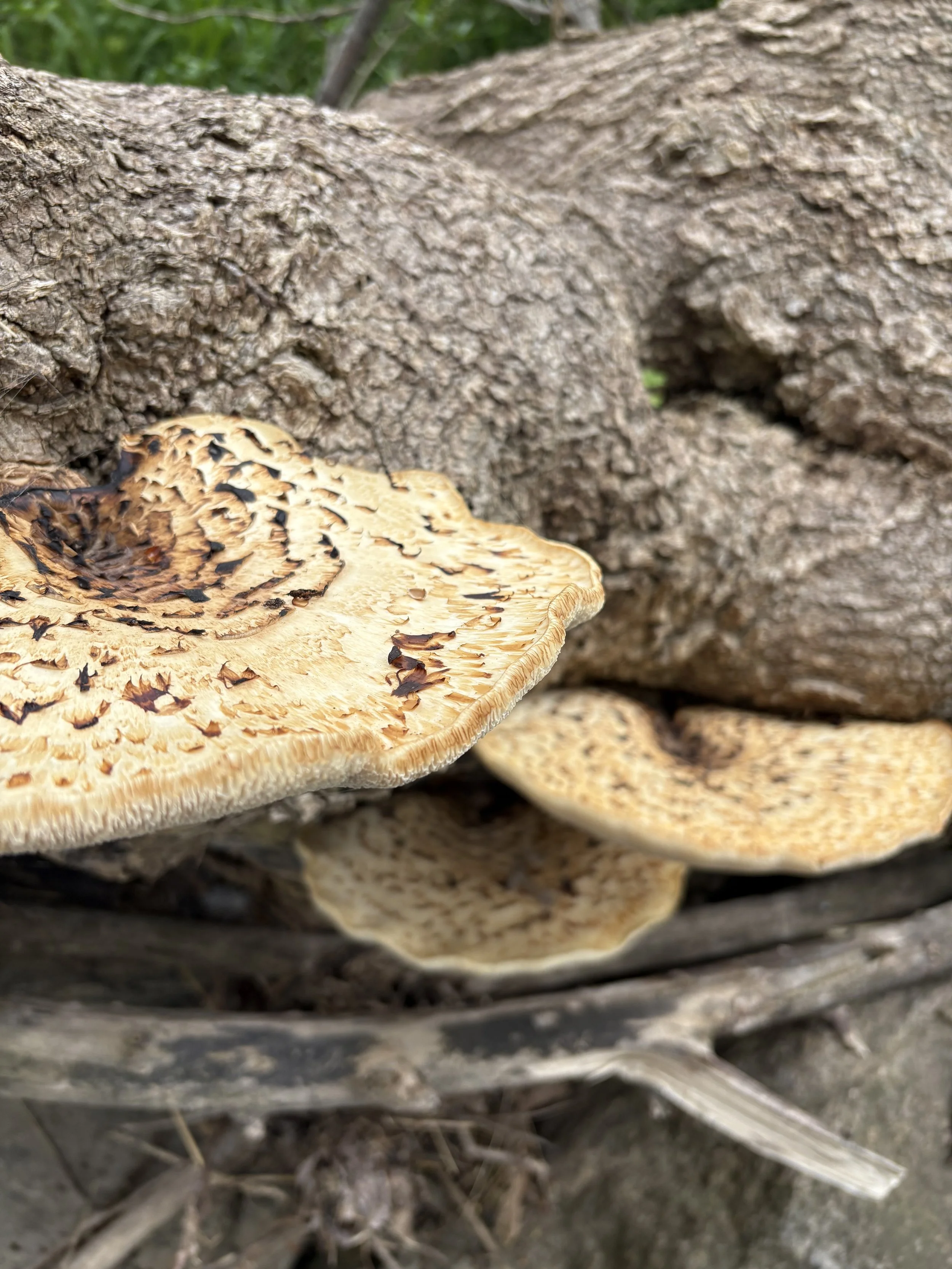
3. Pheasant Back (Cerioporus squamosus) - These edible mushrooms are found all throughout the eastern United States and have a unique pattern on their tops making them easily identifiable. For their home, they prefer dying trees next to stream bottoms due to the moister climates of these areas. Although they're edible, never eat or touch a mushroom without the guidance of a well experienced mycologist or forager!
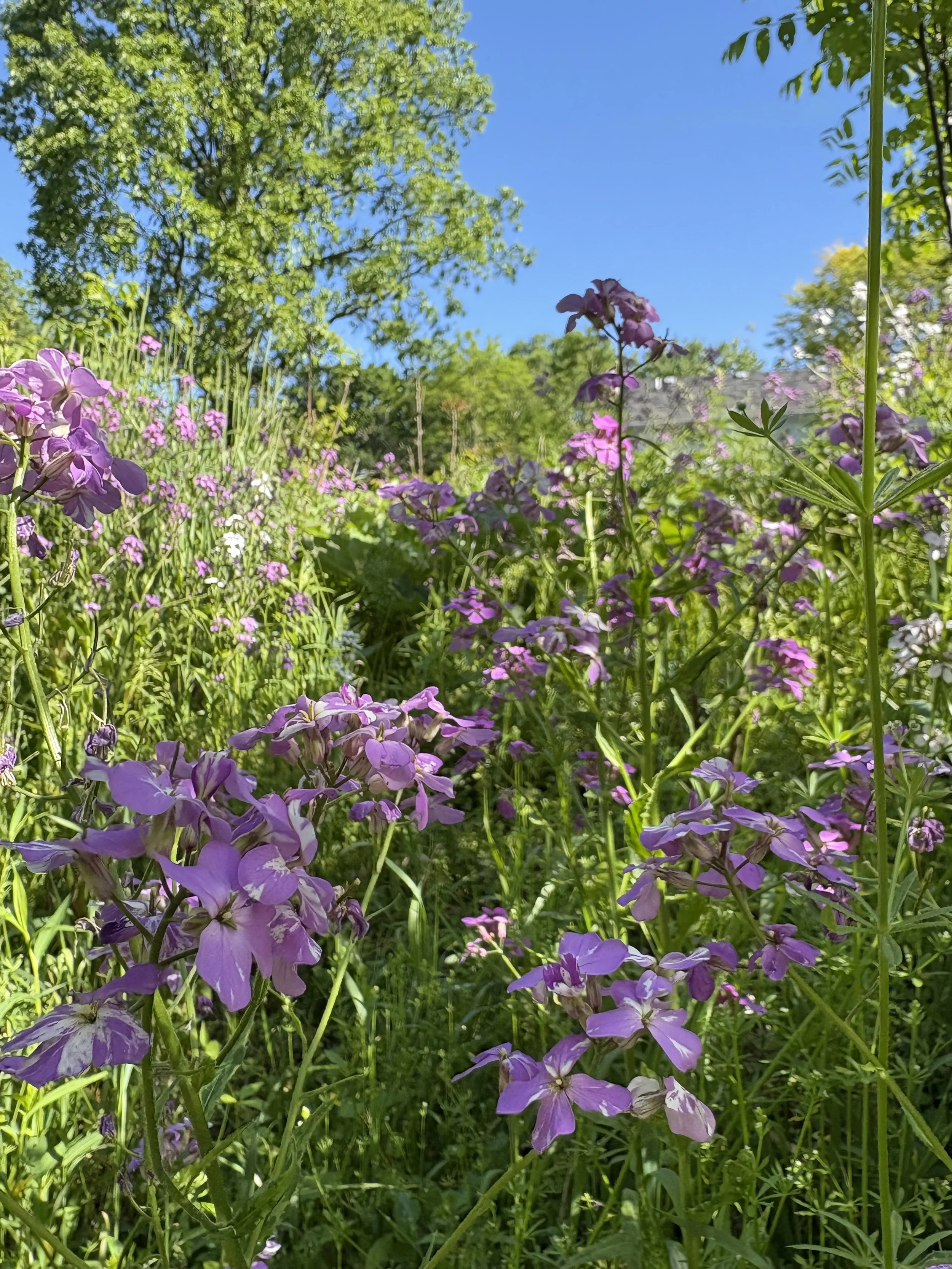
4. Dame’s Rocket (Hesperis matronalis) - Although beautiful, Dame’s Rocket is actually invasive! It’s easily confused for a native flower known as Phlox, which has five petals, while Dame’s Rocket has four. Invasives are bad for our ecosystems as they are typically great at out-competing native species for ever-shrinking habitat and resources. It’s important to mitigate further invasive species spread by planting natives and removing the invasives whenever possible.
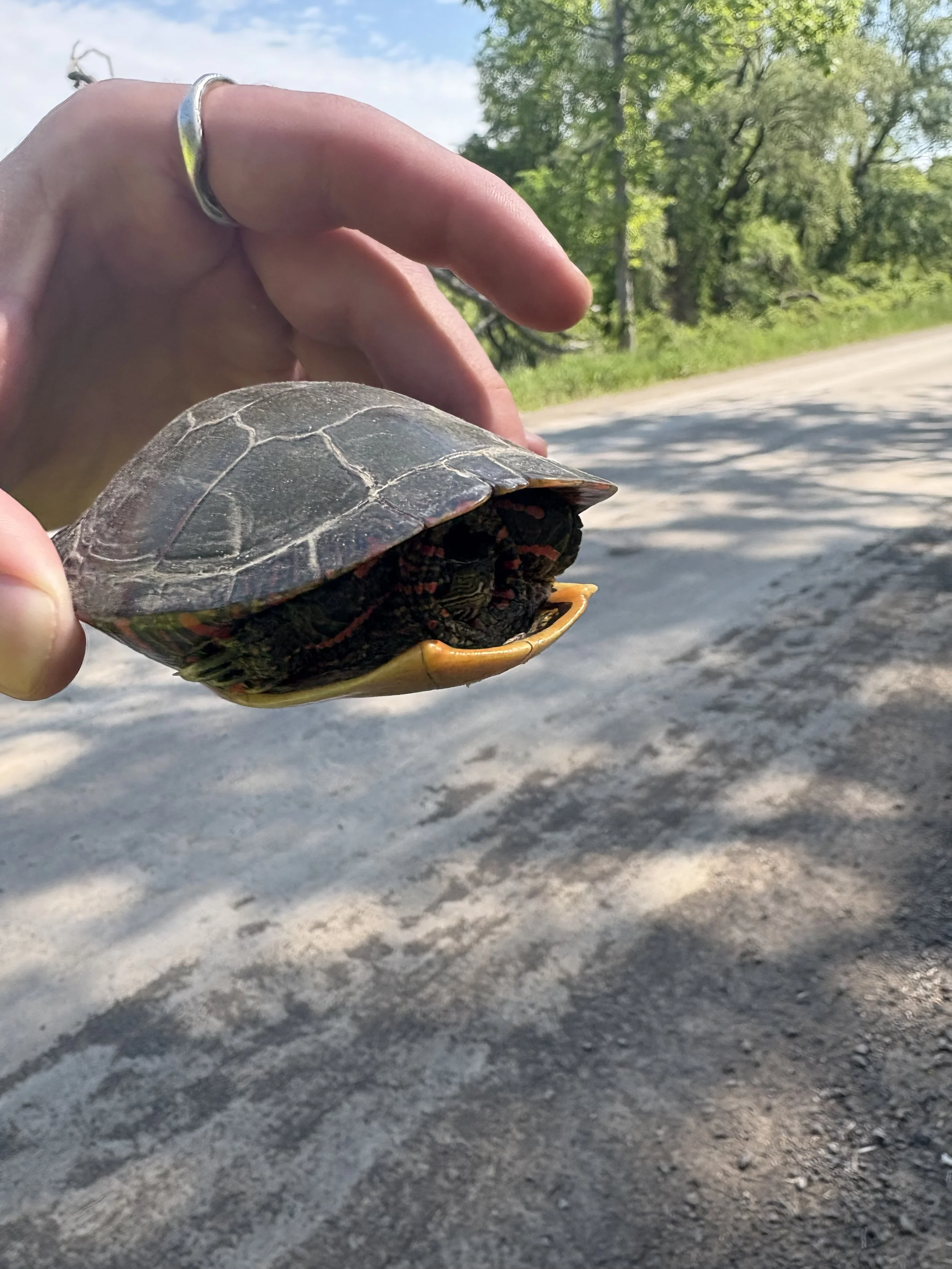
5. Painted Turtle (Chrysemys picta) - Throughout the last month, I’ve moved four turtles off the road, and in the process, I’ve almost been hit by a car every time. If you see a turtle that isn’t a snapping turtle, move it across the street in the direction it's facing if the environment is safe for you to do so. A snapping turtle will have a much more angular face with a mouth that is shaped like a beak and will likely be larger.If you’re driving and see someone on the side of the road, slow down!
I implore everyone to take an extra few seconds or minutes every day to spot something new or beautiful just within, beside, or underneath the roads you drive on everyday. Through education and experience we can all help the aquatic species pass through our infrastructure and live long healthy lives just like ourselves!