

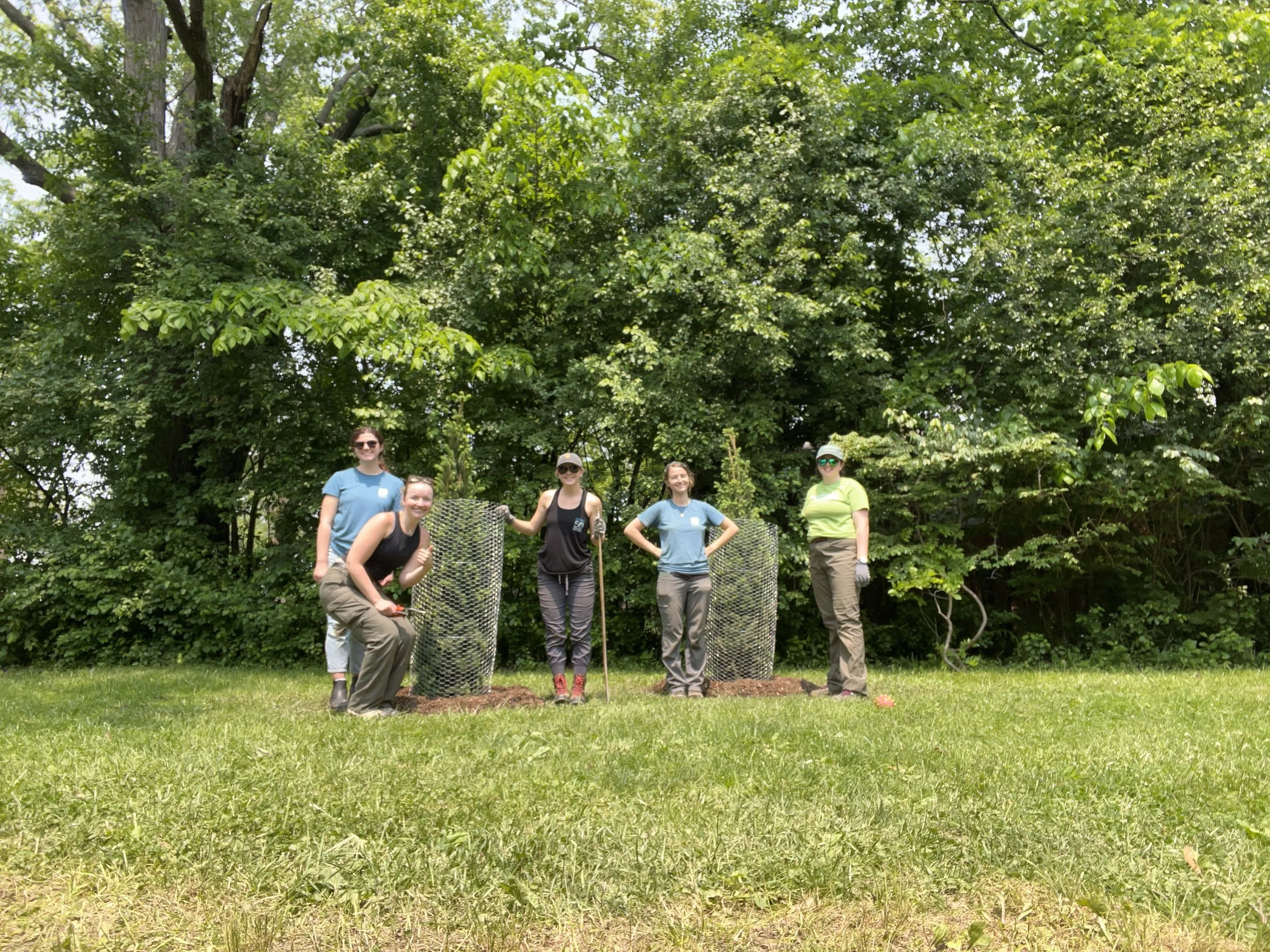
Urban Trees
Urban trees and forests play a vital role in improving watershed health by reducing stormwater runoff and filtering pollutants. Their canopies intercept rainfall, while their roots enhance soil absorption, effectively reducing erosion and managing heavy rains.
BENEFITS
Beyond their environmental impact, urban trees offer a wide range of benefits to our communities:
Cooling effect: Trees provide shade and lower air temperatures during hot weather
Cleaner air: Trees absorb pollutants and produce oxygen
Noise reduction: Tree cover helps buffer urban noise
Higher property values: Tree-lined neighborhoods tend to see increased property worth
Water conservation and erosion control: Tree roots stabilize soil and reduce water loss
Biodiversity: Trees support birds, pollinators, and a wide range of plant life
Health and well-being: Access to green spaces is linked to lower stress, reduced rates of heart disease, and improved mental health
PLANTING LOCATIONS
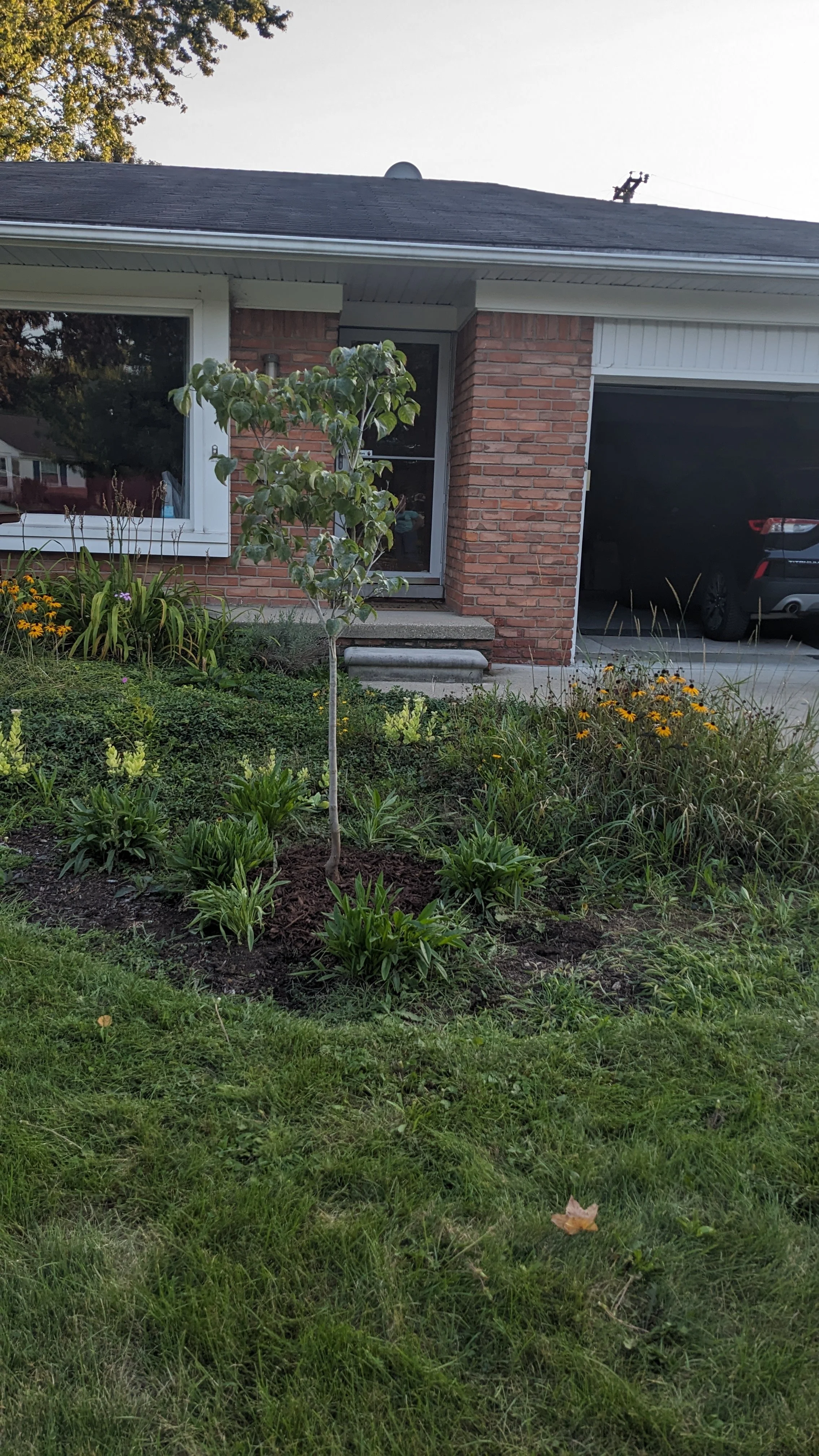
Spacing
Ensure appropriate spacing between other trees, overhead power lines, and existing infrastructure to prevent future damages.
MISS DIG
Prior to excavation, contact MISS DIG 811 (or your local utility marking service) to identify and avoid underground infrastructure.
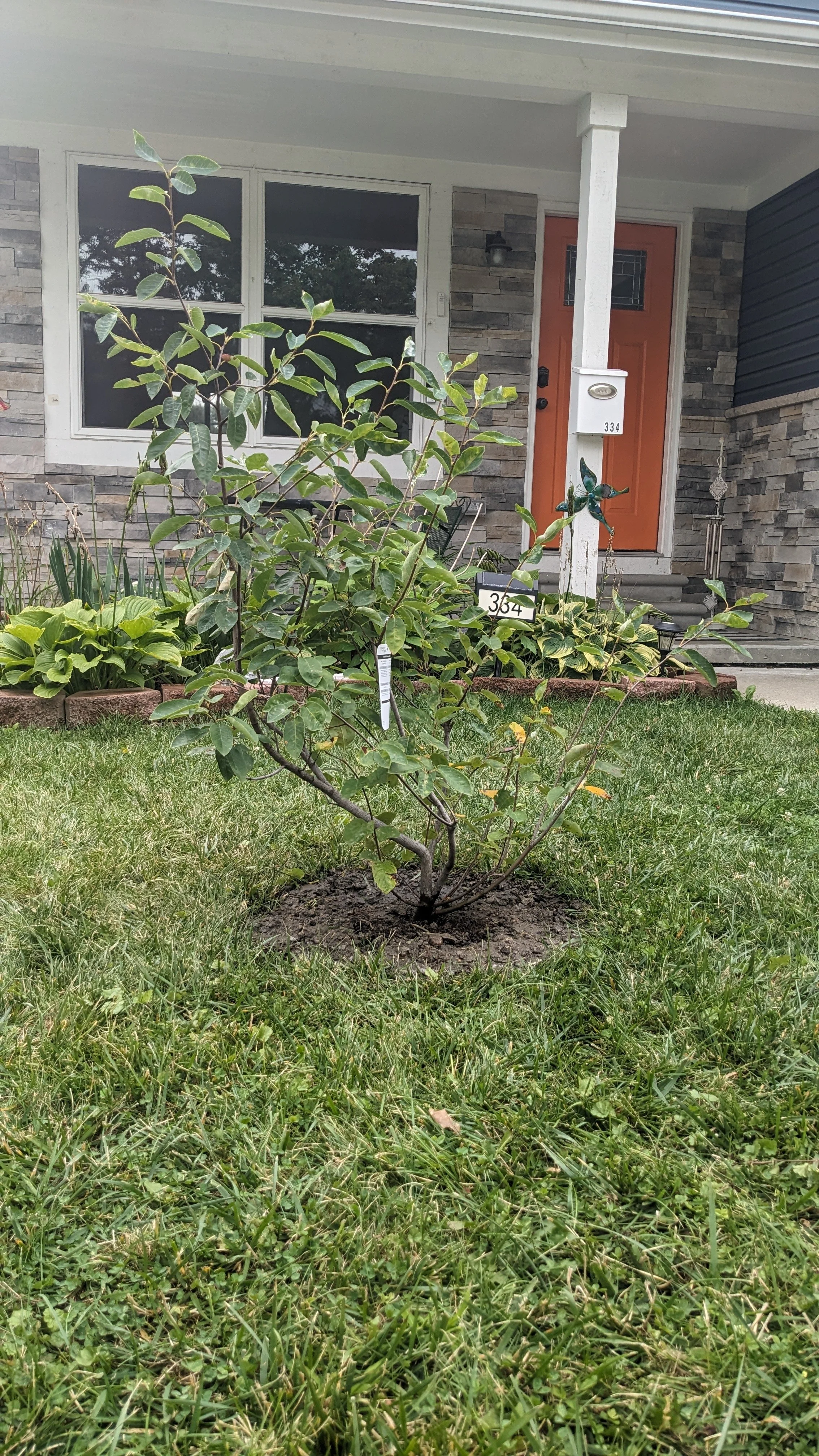
Local Ordinances
Check municipal codes regarding planting in the Right-of-Way (ROW), setback requirements, and species restrictions.
APPROPRIATE TREES
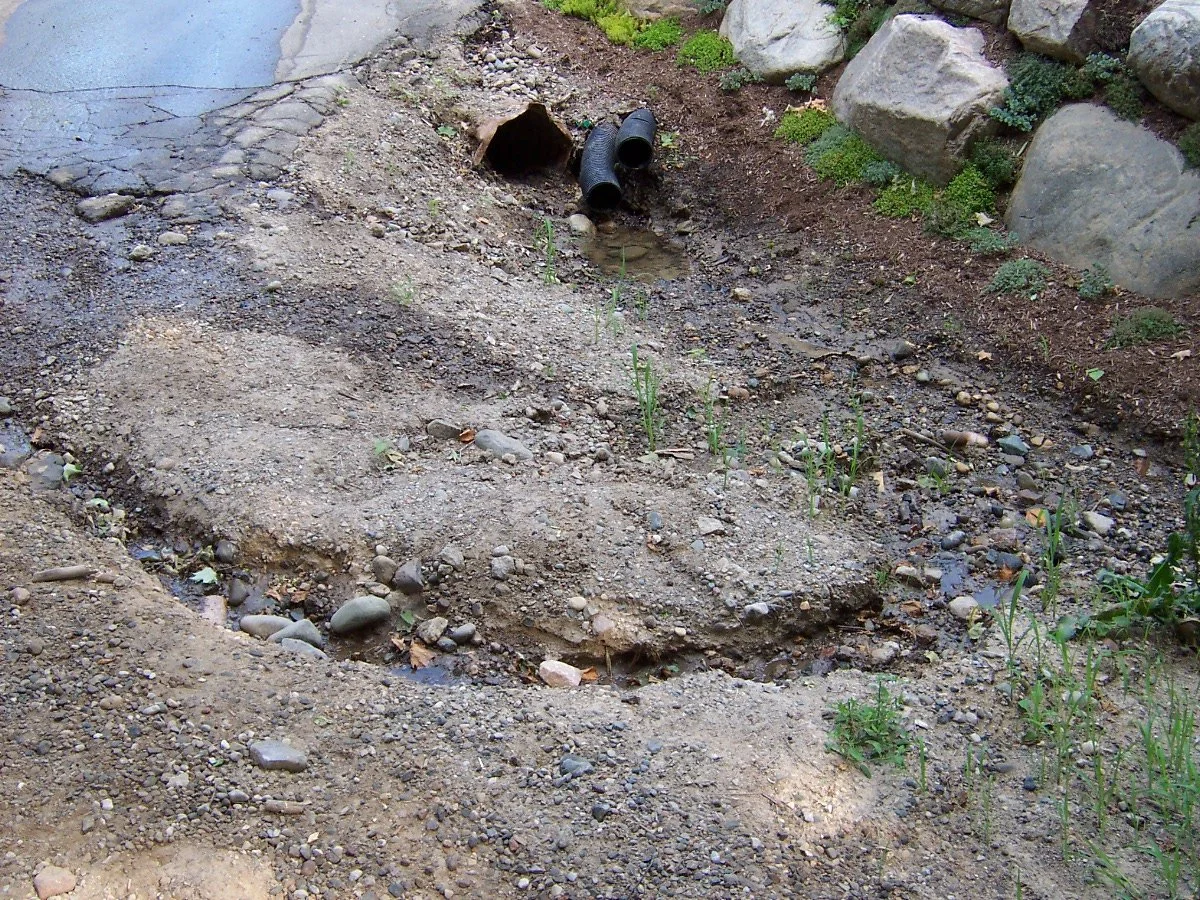
Soil Conditions
Assess soil type (clay, silt, sand, loam), drainage, compaction, and pH levels.
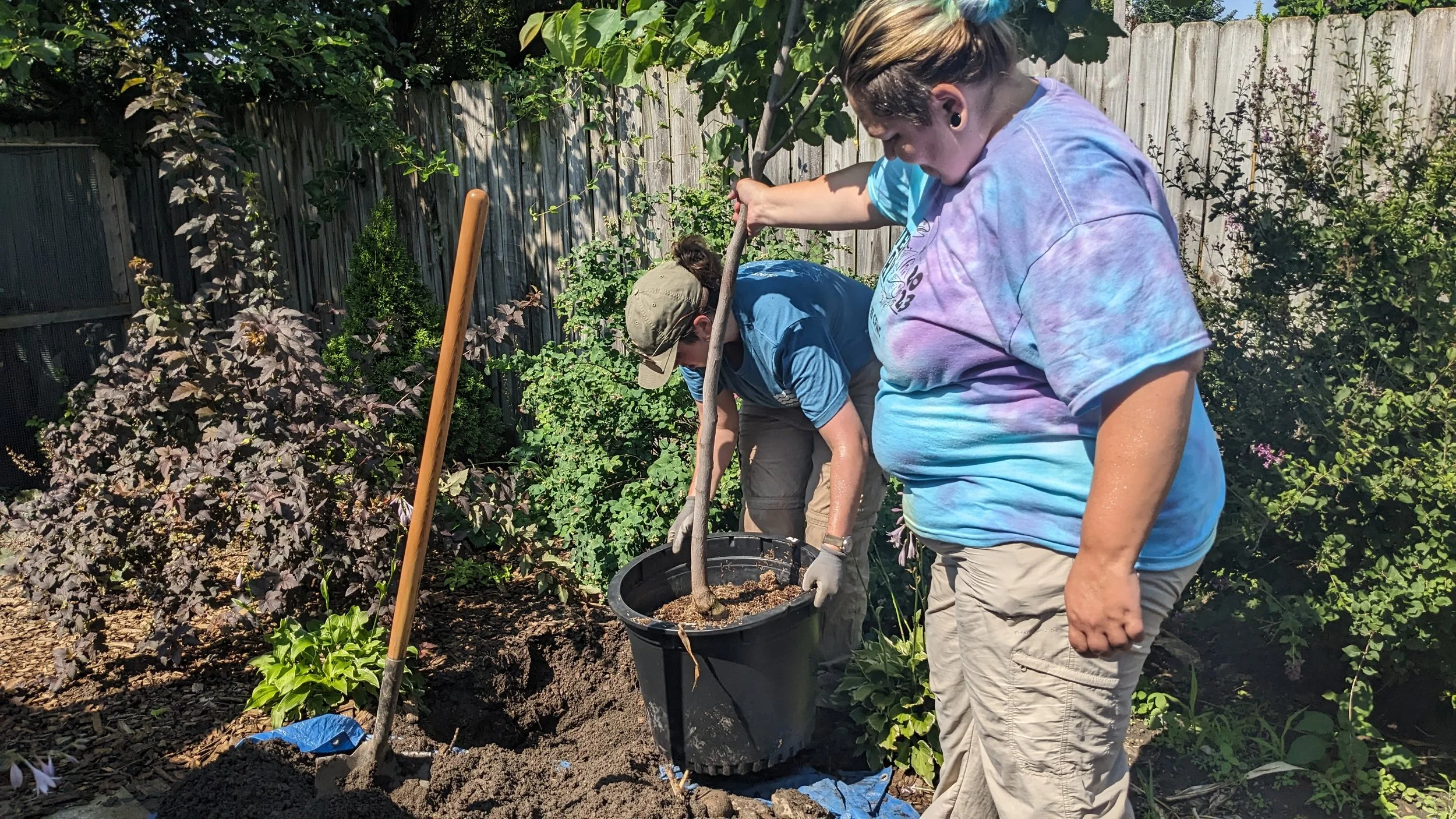
Size
Consider size at maturity including overhead clearance, root spread, and proximity to structures or walkways.
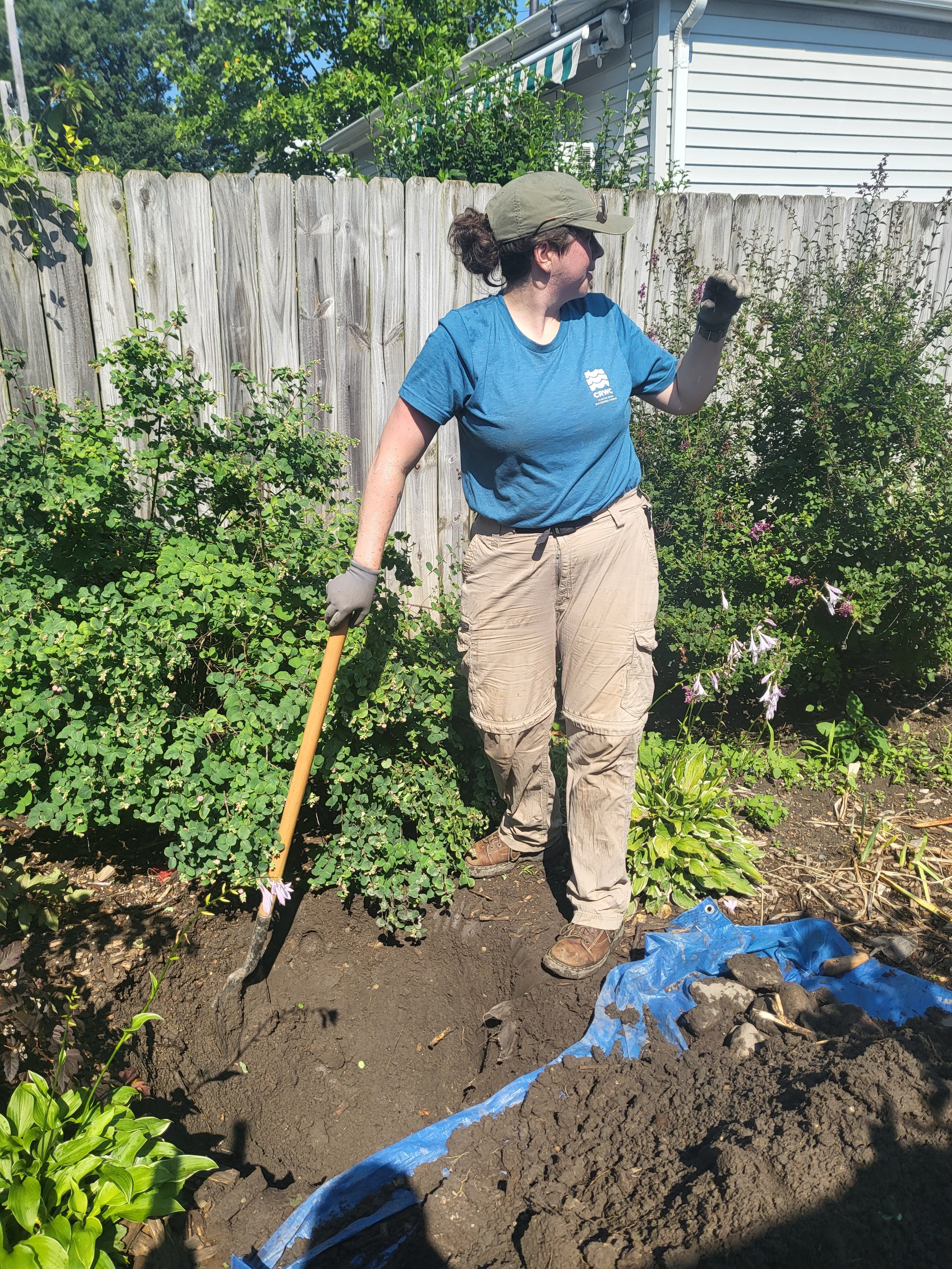
Sunlight
Match species to available light conditions (full sun, partial shade, or full shade).
Native trees are adapted to local ecological conditions and provide critical support to native wildlife. Benefits include:
Greater resistance to pests and diseases
Lower water and maintenance requirements
Enhanced habitat value
VIDEOS
How to Plant a Tree