
Rain Gardens
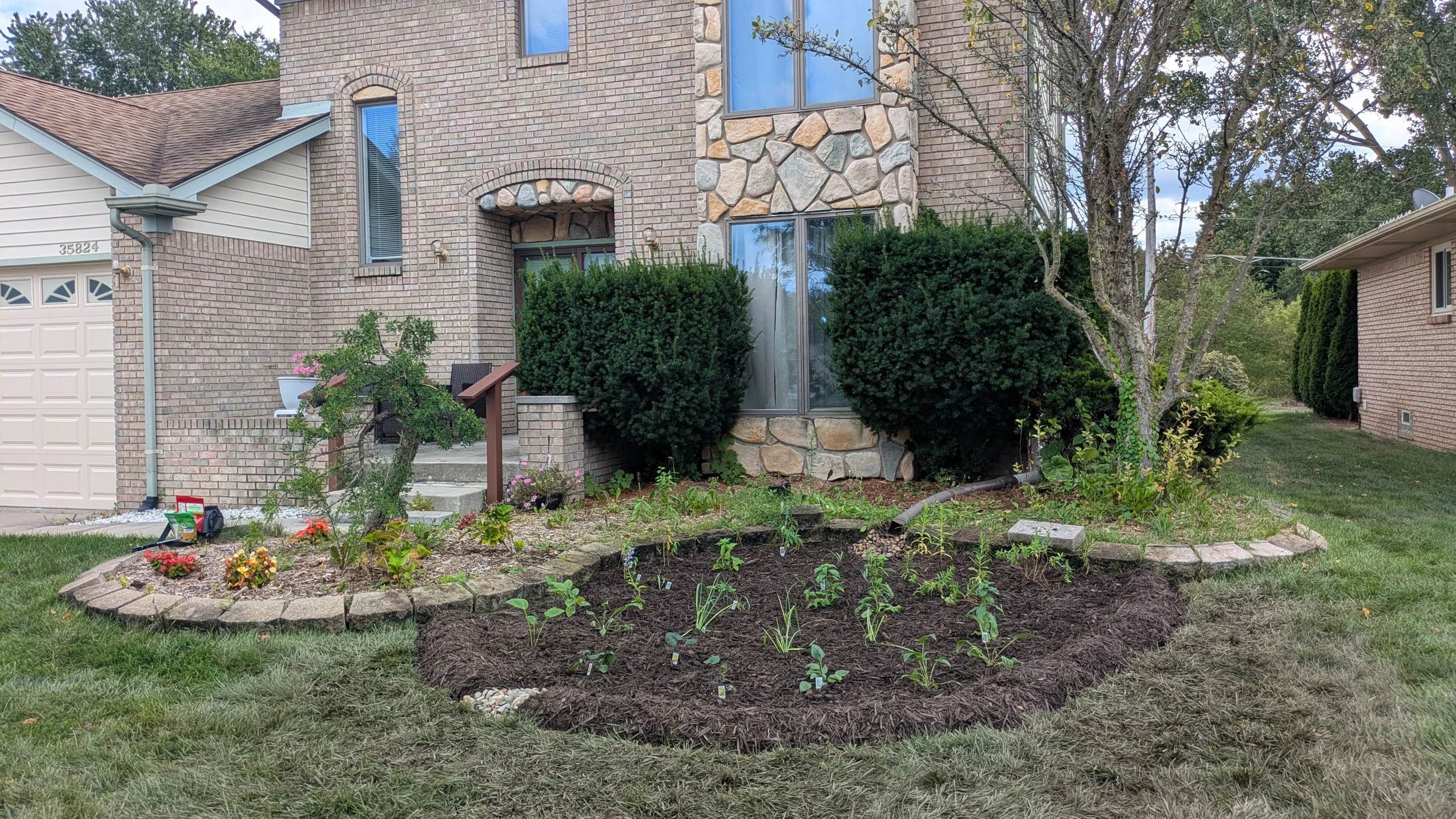
A rain garden is a shallow, landscaped depression designed to capture and absorb rainwater runoff from roofs, driveways, streets, and other impervious surfaces. Planted with deep-rooted native plants and grasses, rain gardens help slow the flow of water, allowing it to soak into the ground rather than entering storm drains.
BENEFITS
Rain gardens are a key element of green stormwater infrastructure because they:
Reduce runoff and flooding by temporarily holding rainwater during storms.
Filter pollutants like oil, fertilizers, and sediments, improving water quality.
Recharge groundwater by allowing water to naturally infiltrate the soil.
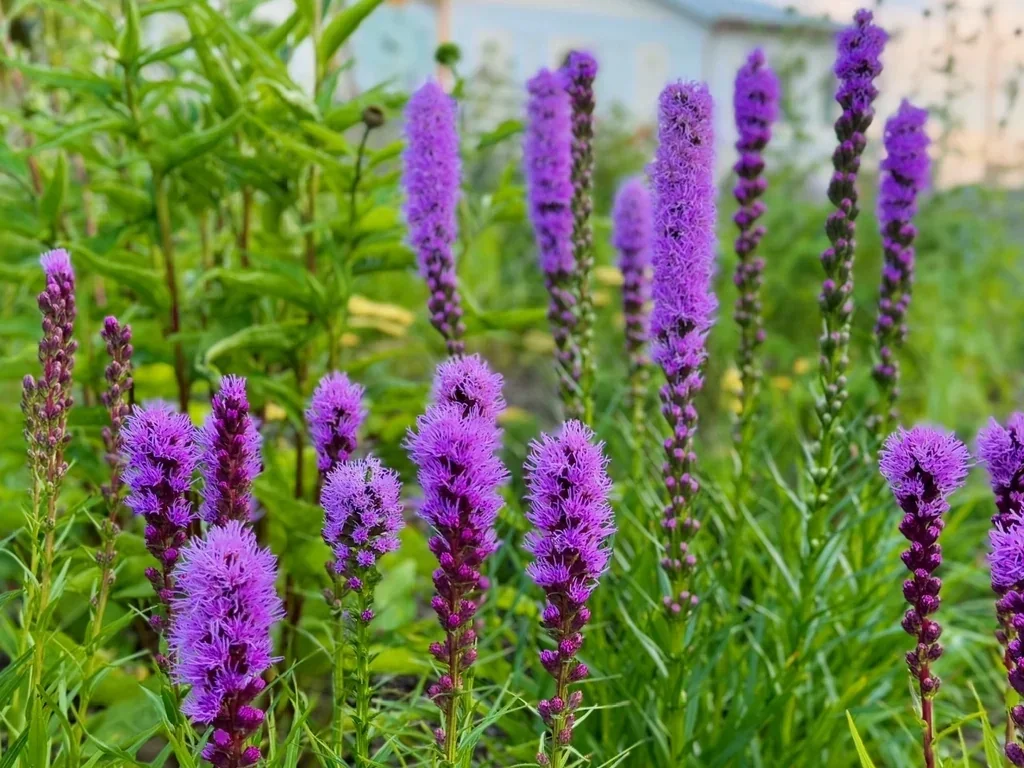
Provide habitat for birds, butterflies, and beneficial insects.
Enhance landscape beauty with colorful, low-maintenance native plants.
Rain gardens are especially effective in residential areas, schools, and community spaces. They work best when placed in low-lying areas where water naturally flows. With proper design, they not only manage stormwater but also become attractive features that support local ecosystems.
INTERACTIVE RAIN GARDEN TOUR
Take an interactive tour of rain gardens in the Clinton River Watershed.
ANATOMY OF A RAIN GARDEN
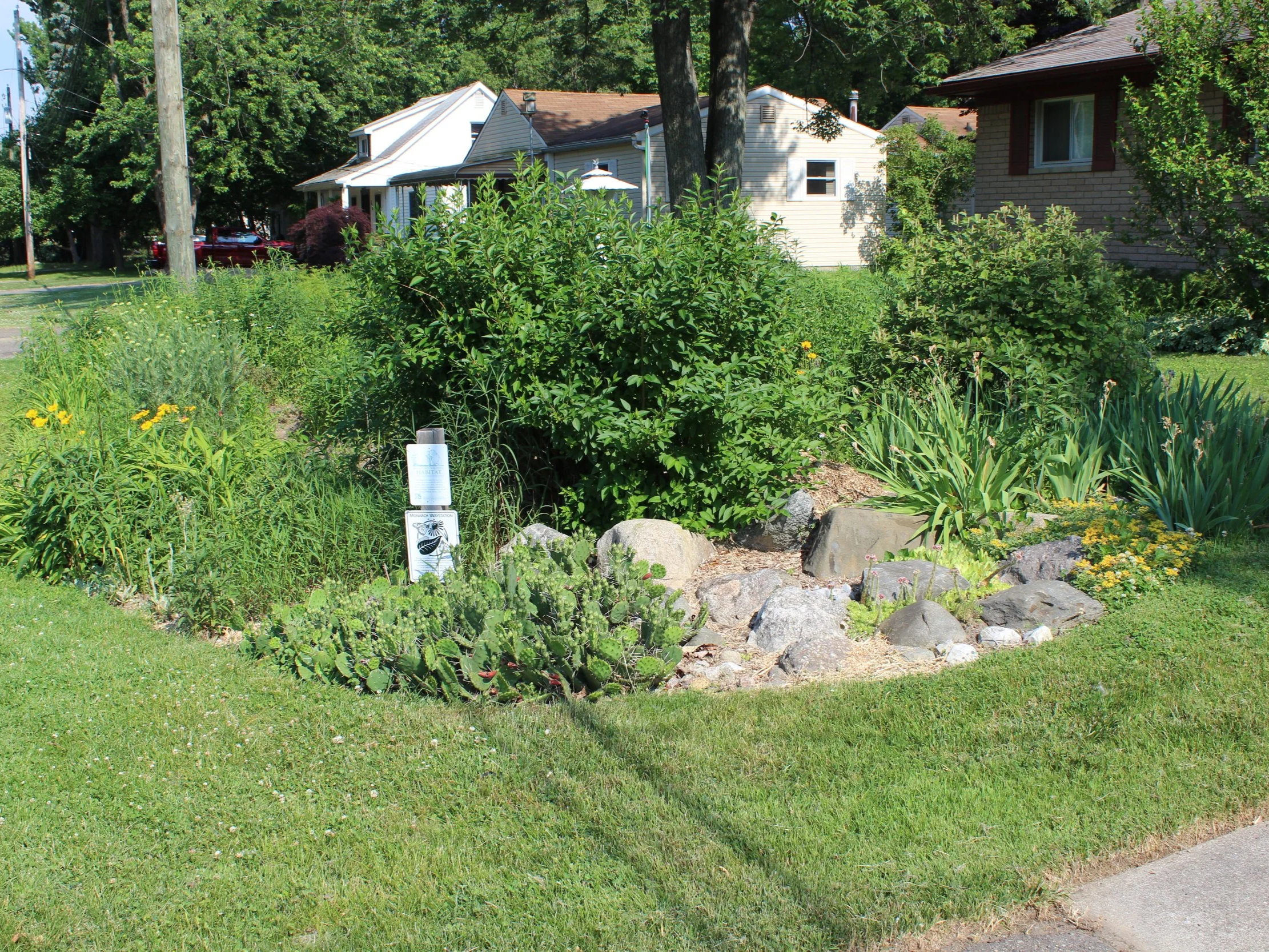
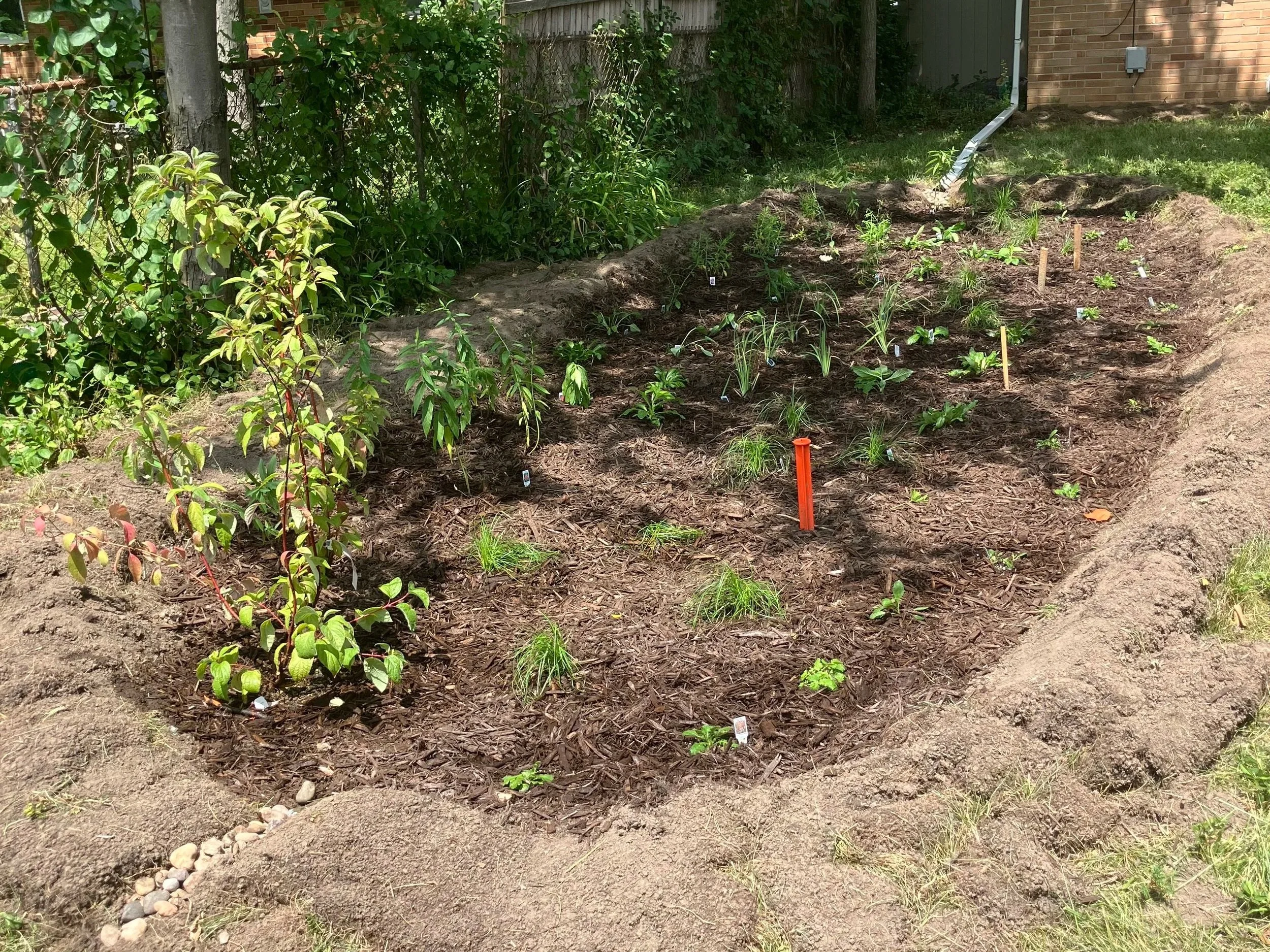
Rain gardens come in various shapes and styles, ranging from manicured to natural-looking meadows, catering to the desired aesthetic of homeowners while effectively managing stormwater. The size of the garden is determined by several factors, including the impervious surface area and the type of soil on the property. A soil infiltration test is conducted to determine the appropriate size for the garden. Information on sizing and installation can be found in this DIY Residential Rain Garden Guidebook.
1. BASIN
Shallow Depression
A gently sloped area typically 3–6 inches deep that temporarily holds rainwater before it infiltrates into the soil.
Mulch Layer
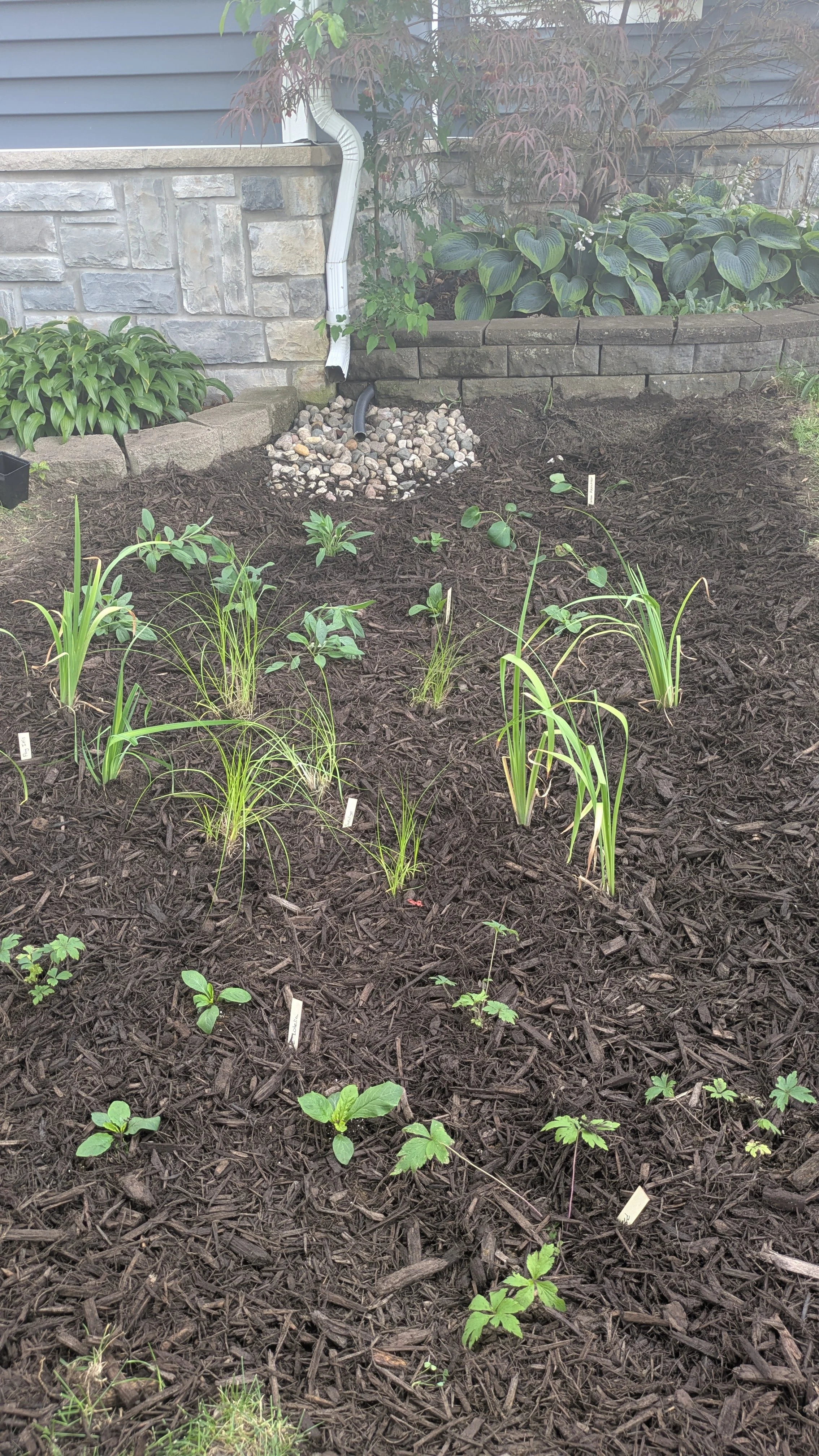
A 2–3-inch layer of organic mulch (wood chips, bark, shredded leaves) helps reduce evaporation, suppress weeds, and prevent erosion.

Native Plants
Deep-rooted native grasses, forbs, and shrubs enhance infiltration, stabilize soil, and support pollinators and wildlife in rain garden basins. Plant wet-tolerant species in the center where water collects and drier loving species on the slopes.
For a list of native plants suited to southeast Michigan, refer to the Master Rain Gardeners Native Plant Guide.
2. INFLOW
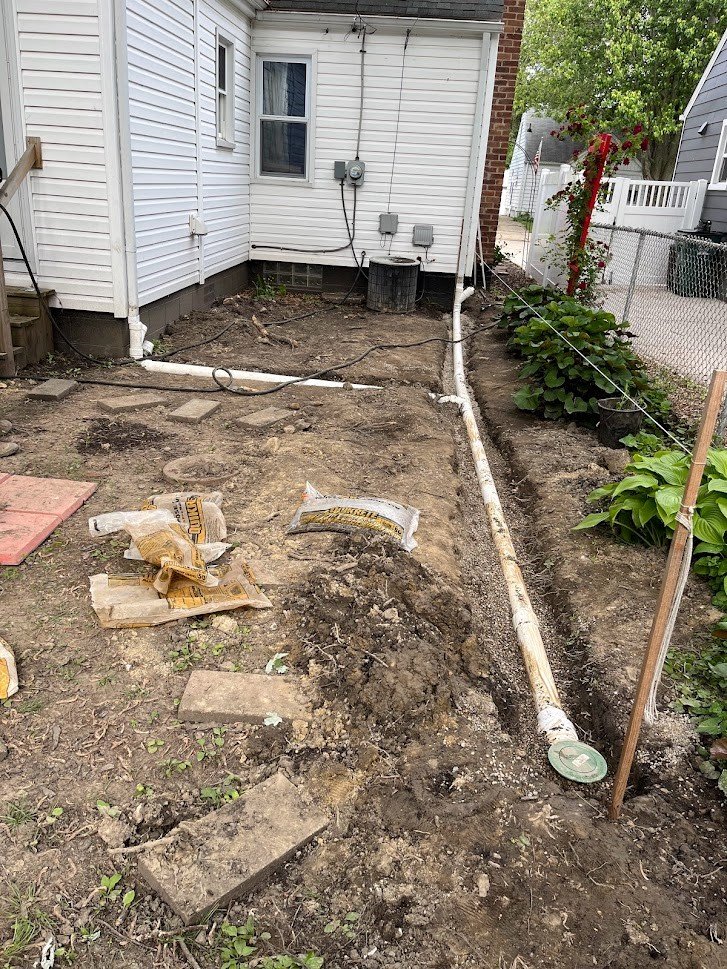
Water Entry Point
Runoff from roofs, driveways, or lawns is channeled into the basin, often through a trench, or downspout extender.
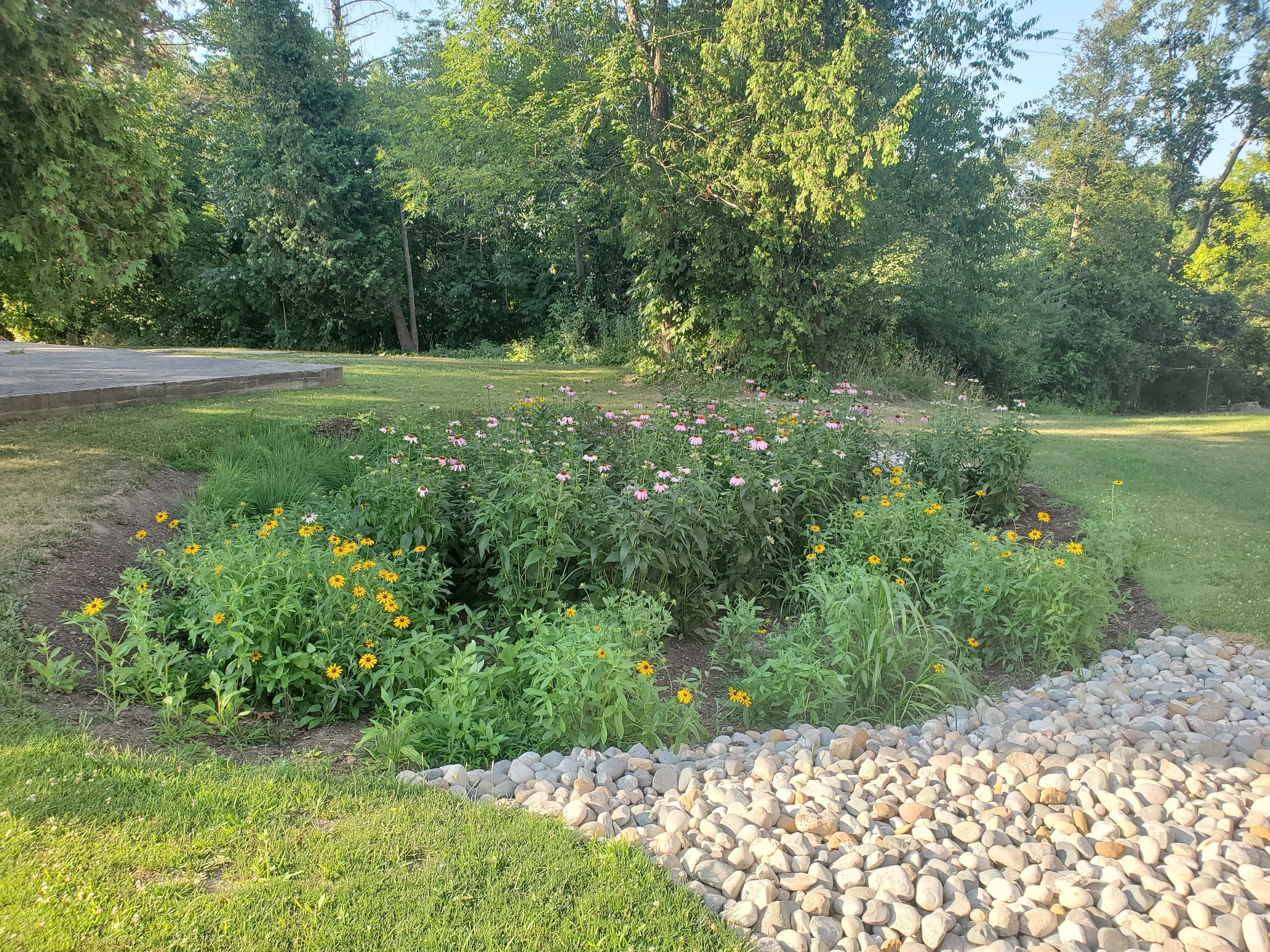
Rock/Gravel Lining
Rocks or gravel are placed at the entry to slow water flow, reduce erosion, and spread the water more evenly.
3. SOIL MEDIA
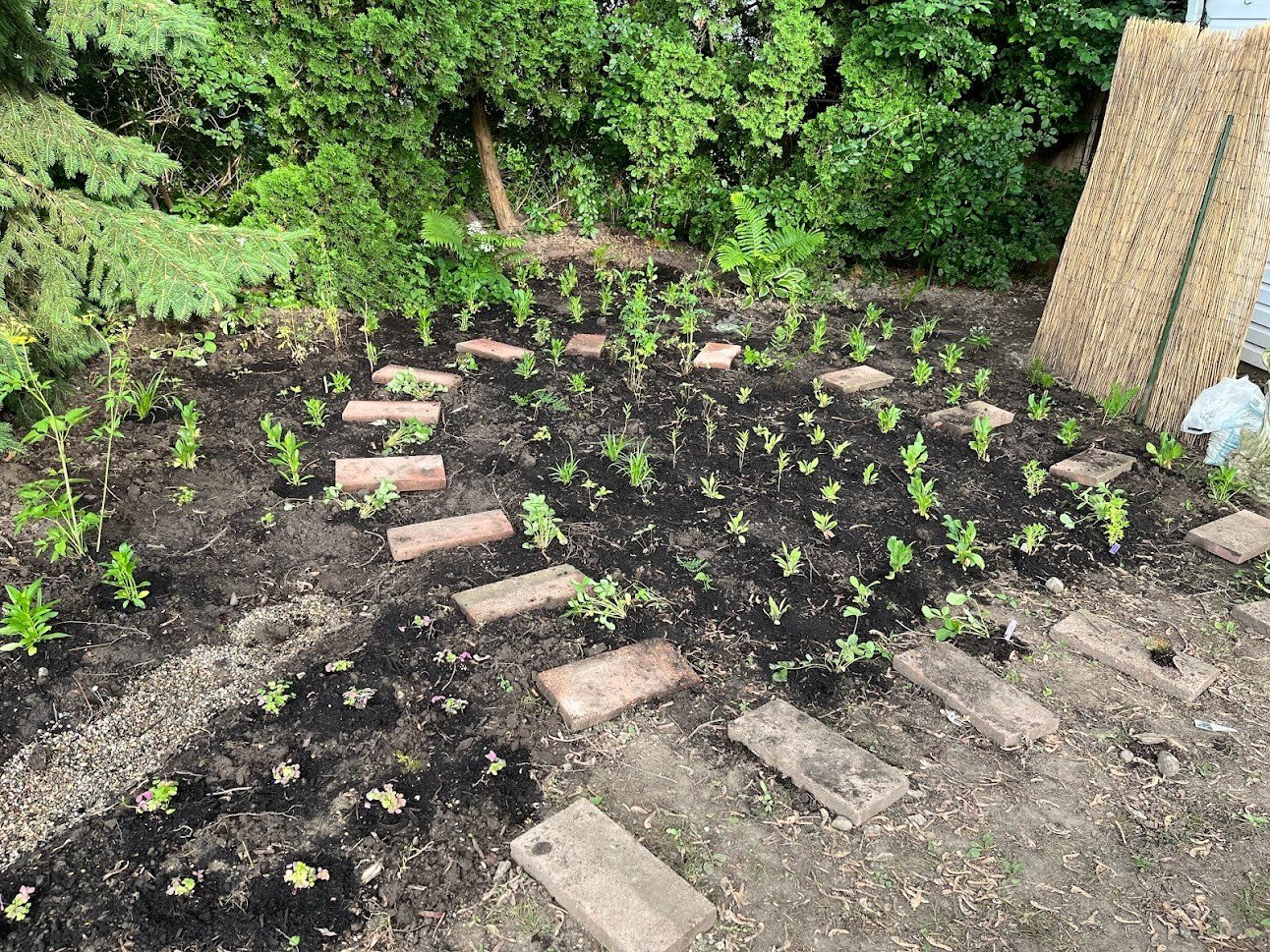
Engineered Soil
Promotes infiltration and filtration.
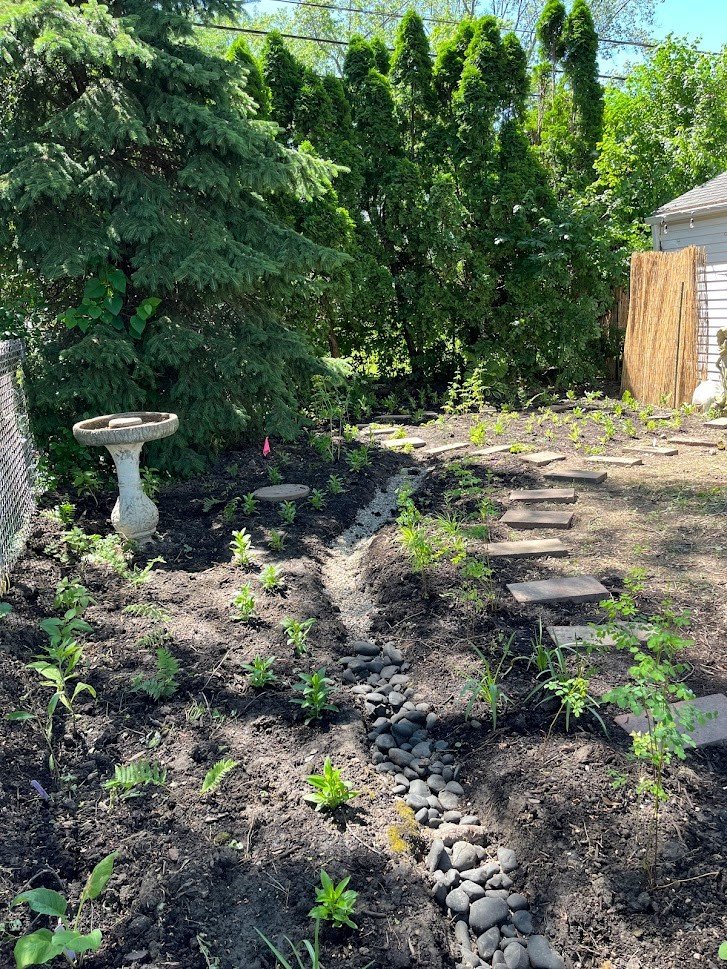
Optional: Amended Soil Mix
A mix of sand, compost, and native soil that ensures proper drainage while supporting plant growth and pollutant removal.
4. OVERFLOW STRUCTURE
Overflow Outlet
A designated area within the rain garden where excess water can safely exit during heavy rainfall, typically located on the garden’s berm.

Berm (Raised Edge)
A compacted ridge of high-clay soil around the lower edge of the garden that holds water in long enough for it to soak in.
RAIN GARDEN ARTICLES