

Sixteen Native Plants that Can Replace Invasives

Invasive species offer little to no benefits to the ecosystem, and they create financial and ecological problems if left unchecked. By replacing these species with native ones, we can avoid the expense of managing them. Native species also provide countless ecological benefits to the environment around us.
Soil, sun, and water requirements as well as spreading habits are important to consider when replacing invasive species with native ones. Even though native species are generally hardier and better adapted than invasive species, they still need some help and planning to thrive.
If you find invasive species, you can report them using the Midwest Invasive Species Information Network (MISIN).
Five Common Invasive Species with Native Alternatives:
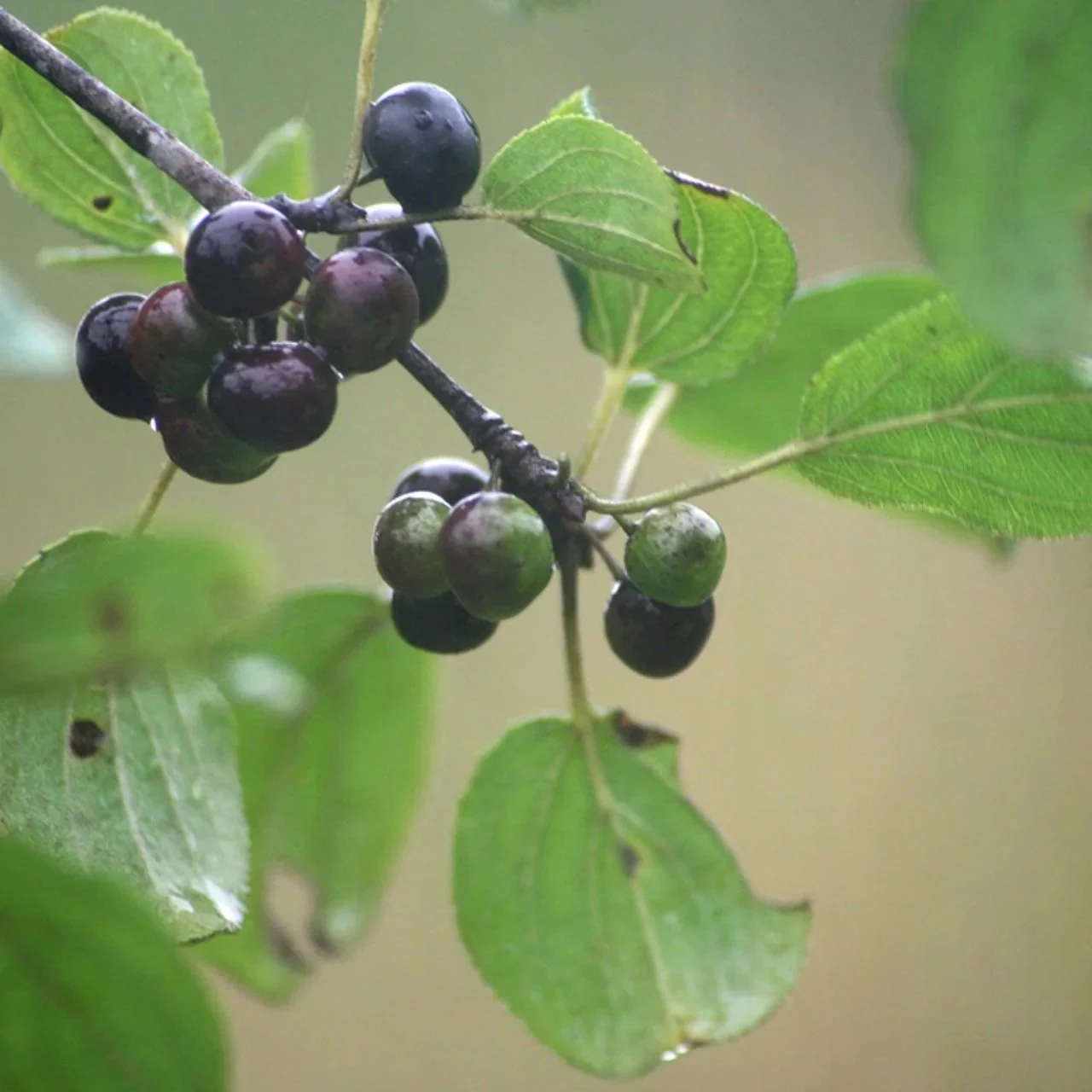
1. Invasive Buckthorn
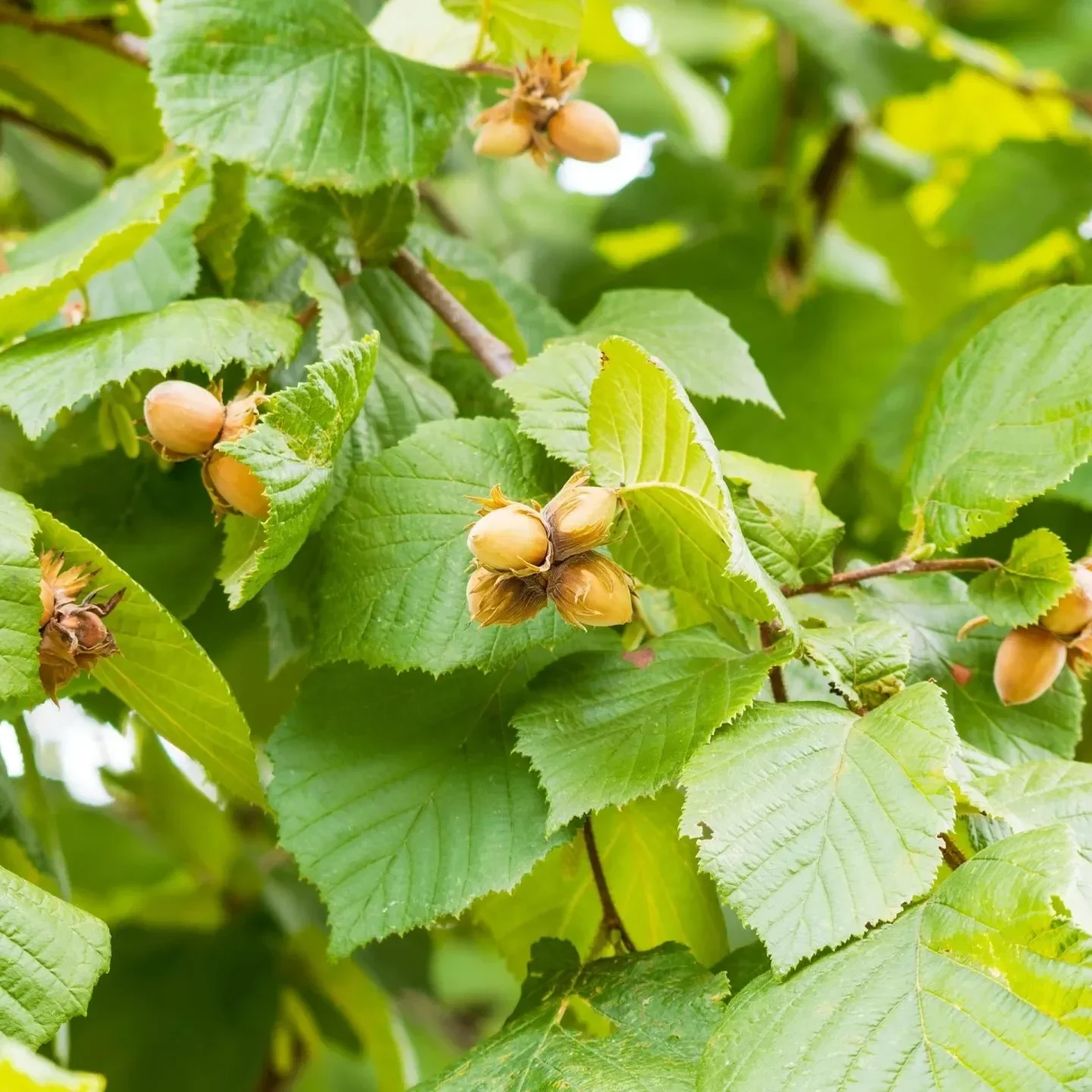
Native Alternative #1 - American Hazelnut (Corylus americana): a dense shrub that usually grows anywhere from 6 to 12 feet tall. The nuts attract birds and small mammals. It has green foliage with yellow-ish brown catkins (long, slim clusters of tiny, petal-less flowers that hang down from trees and shrubs). Prefers full to partial sun and moist well-draining loamy soil; however, it is very adaptable and can tolerate clay and sandy soil too.
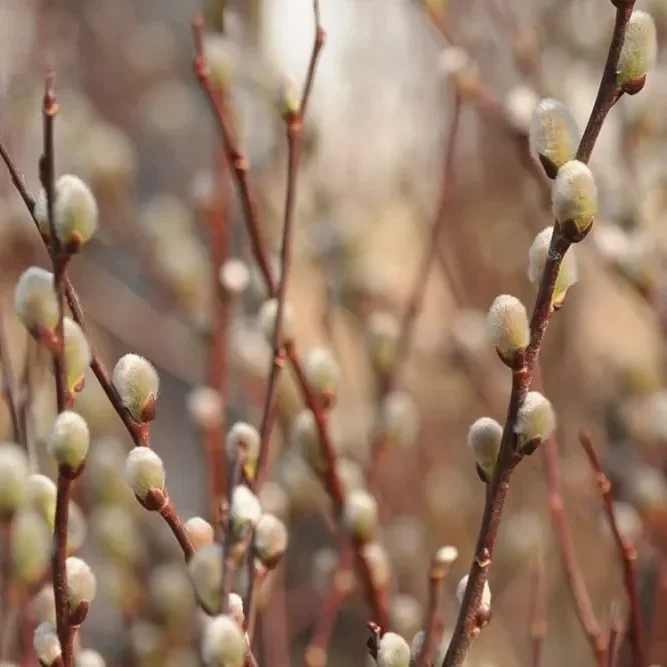
Native Alternative #2 - Pussy Willow (Salix discolor): traditionally a shrub or small tree that can grow 6 to 30 feet tall. Is an early bloomer that provides crucial nectar for many pollinators early in the season when nectar isn’t as readily available. Prefers full sun to part shade and medium to wet soil.
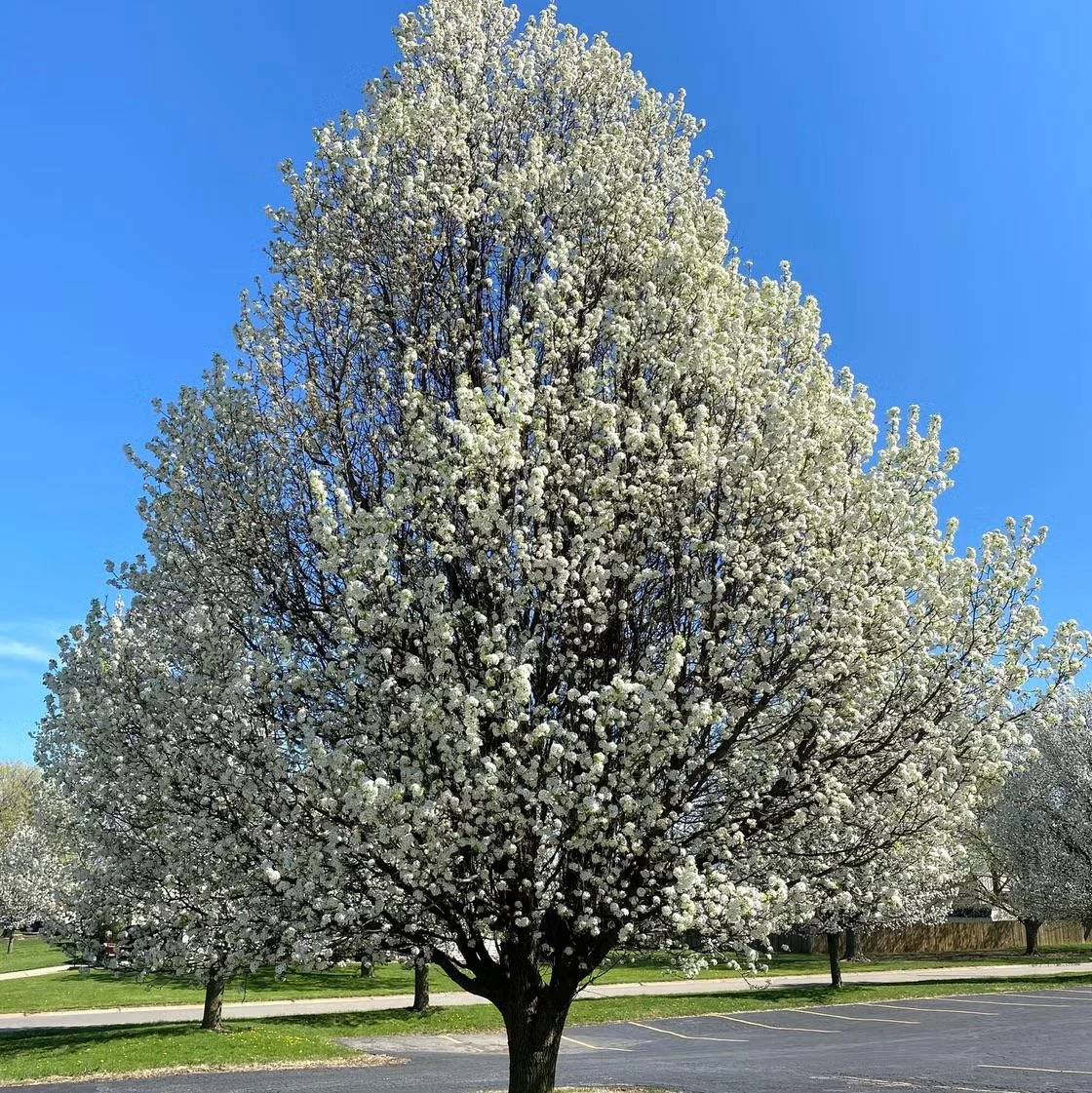
2. Invasive Bradford Pear
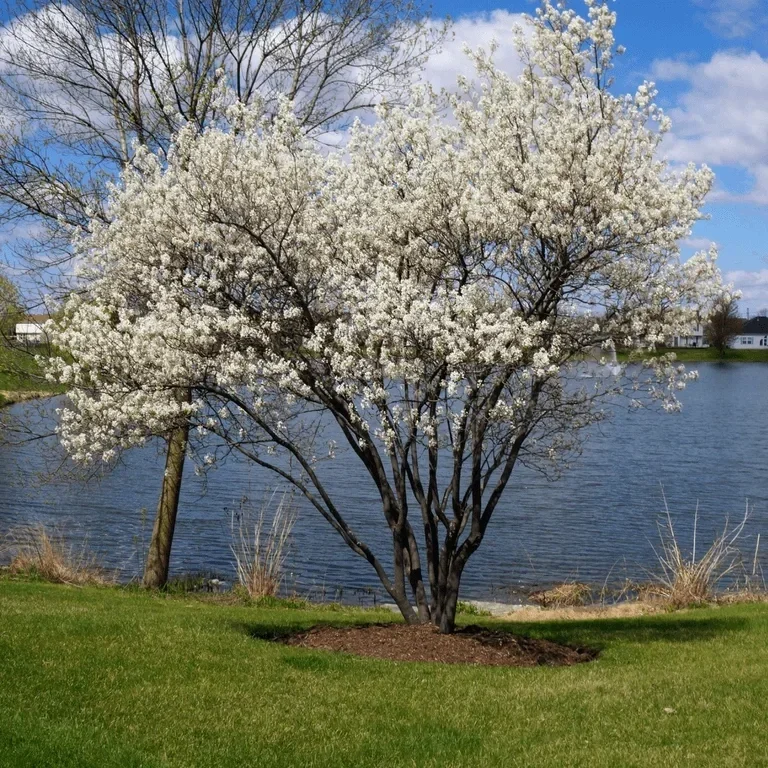
Native Alternative #1 - Serviceberry (Amelanchier spp.)/Downy Serviceberry (Amelanchier arborea): smaller size when fully mature (15 to 25 feet). Produces fruit that attracts birds and has white flowers that attract pollinators. Prefers full sun to part shade; fruit growth/abundance may be negatively affected if grown in a shadier environment. Grows best in loam but can tolerate sand and clay. It prefers slightly wet, well-drained soil.
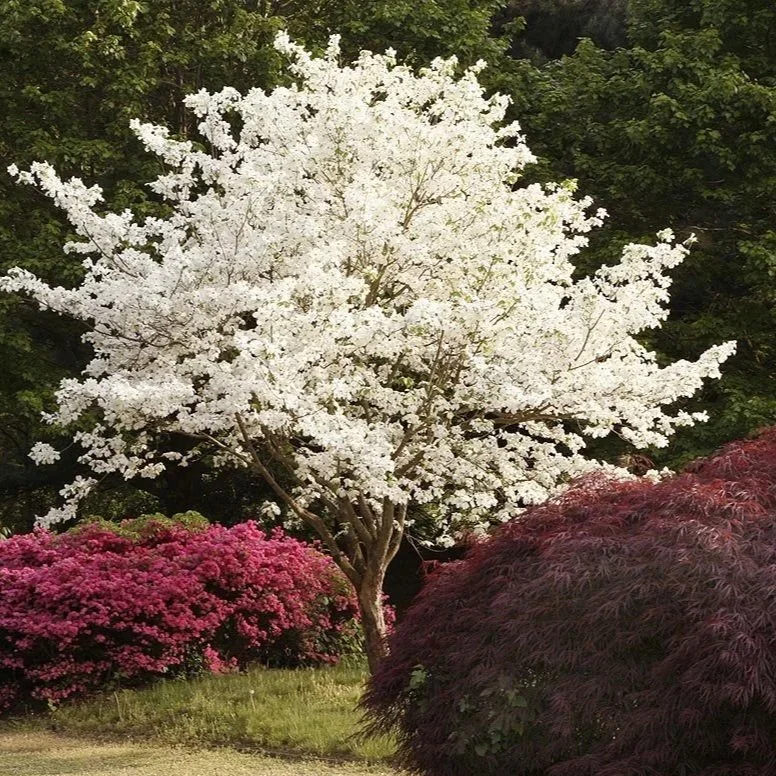
Native Alternative #2 - Flowering Dogwood (Cornus florida): the fruit produced by this tree attracts birds and small mammals. Traditionally produces white flowers, but some varieties have pink flowers. Typically grows 15 to 30 feet in height at full maturity. Can be planted in full sun but ideally will have part shade. Prefers well-drained, moist loam-rich soil.
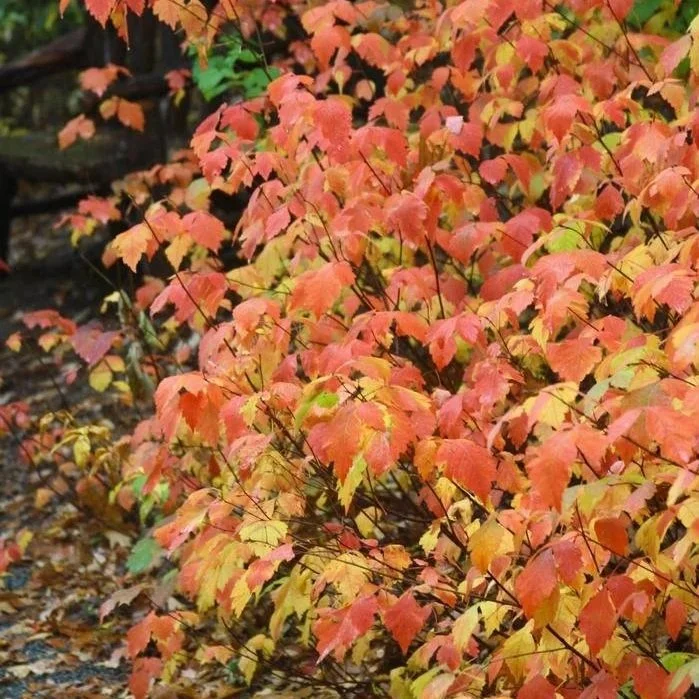
3. Invasive Japanese Barberry
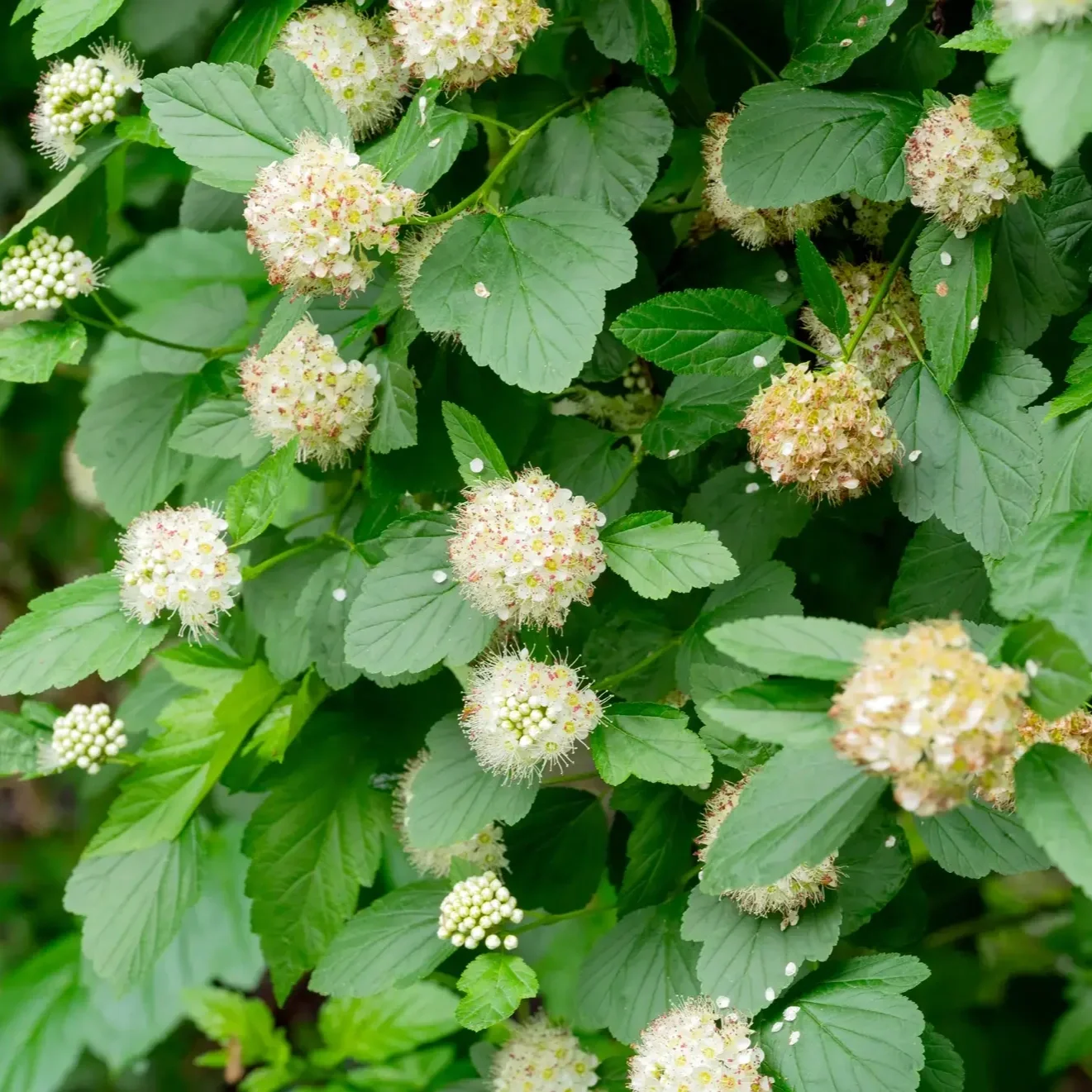
Native Alternative #1 - Common Ninebark (Physocarpus opulifolius): grows 5 to 10 feet in height and can get just as wide if left unchallenged by other plants. Since the branches do form a thick canopy, it can be used as an effective privacy screen. This is a popular winter interest shrub because of the brown- to red-colored bark. Prefers full sun in moist well-drained soil but can adapt to drier clay soil.
Native Alternative #2 - Aromatic Sumac (Rhus aromatica): also known as fragrant sumac, this plant grows 6 to 12 feet tall, and 4 to 6 feet in width. Known to be deer and rabbit resistant. Produces yellow flowers with dark-red berries. It prefers dry to moist, well-drained soil with full sun to part shade.
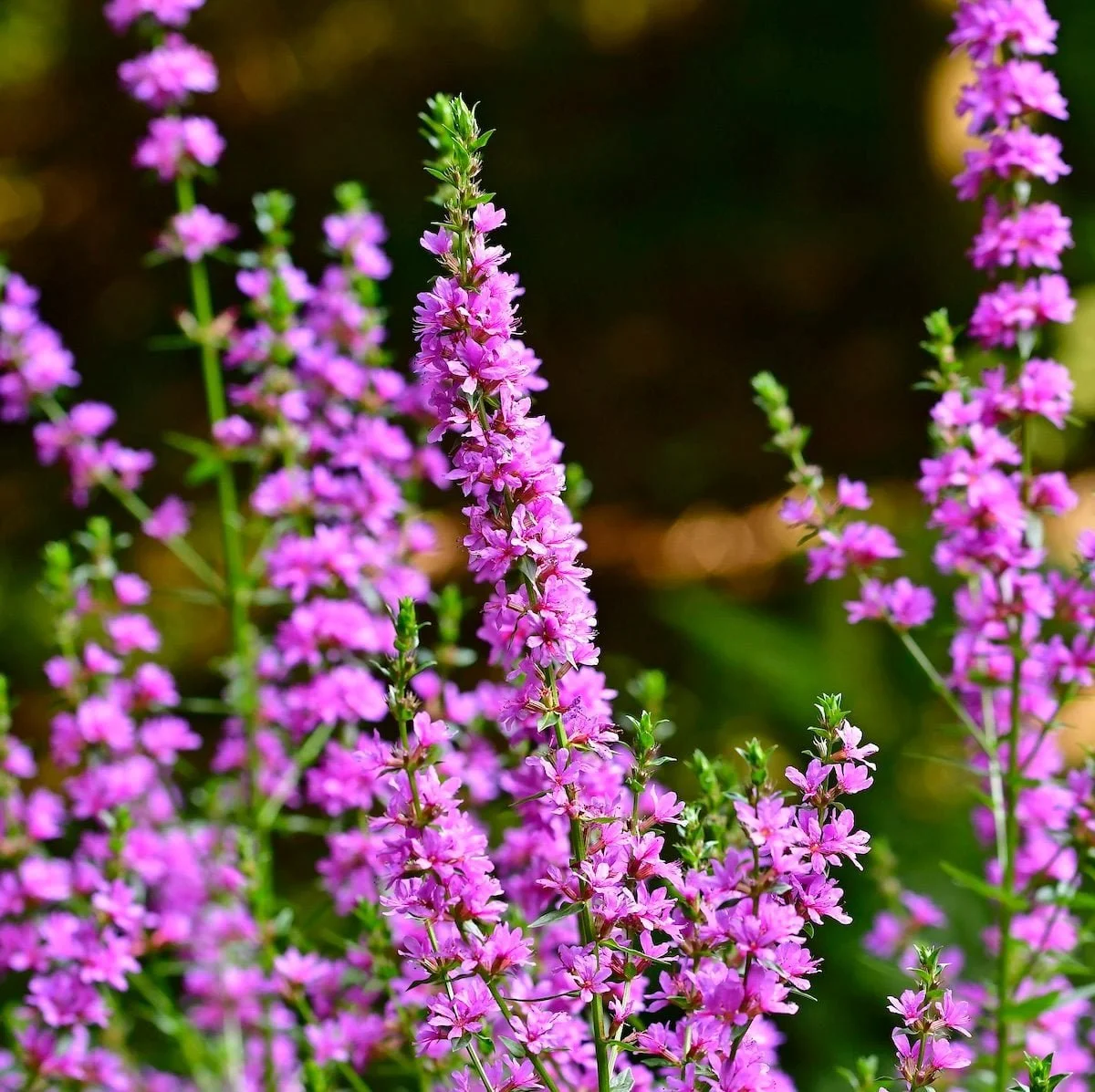
4. Invasive Purple Loosestrife
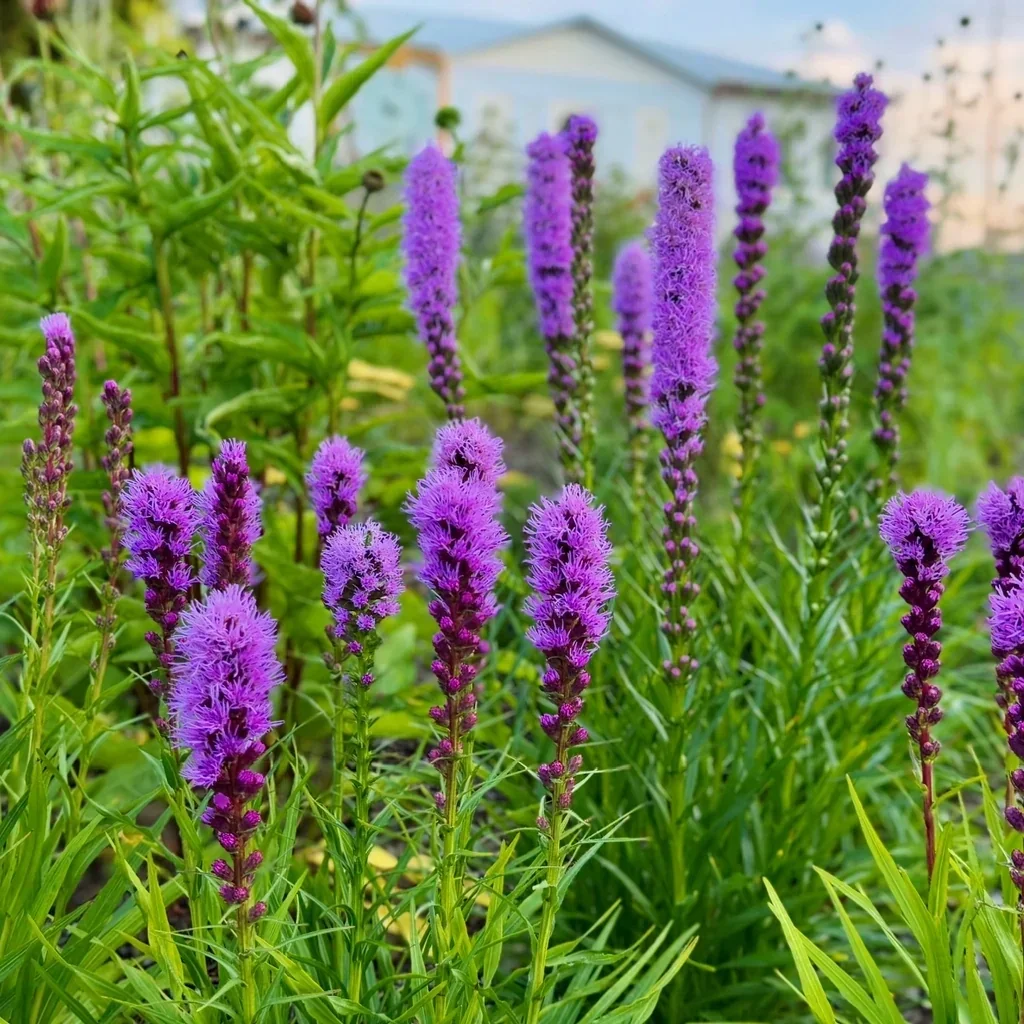
Native Alternative #1 - Dense/Marsh Blazing Star (Liatris spicata): grows 3 to 6 feet tall and up to 1.5 feet in width. This plant attracts a number of pollinators, including hummingbirds! Prefers moist well-drained sandy soil.
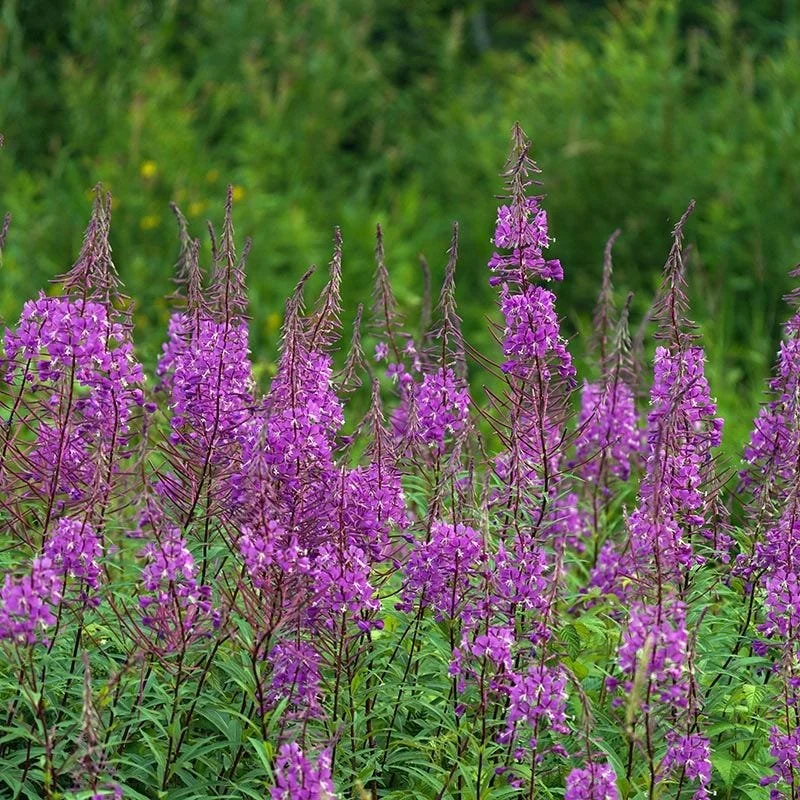
Native Alternative #2 - Fireweed (Chamaenerion angustifolium): grows 1.5 to 6 feet tall but can get up to 9 feet in certain conditions. This plant typically produces pink/magenta flowers from June to September. It prefers full sun and sandy/loamy moist soil.
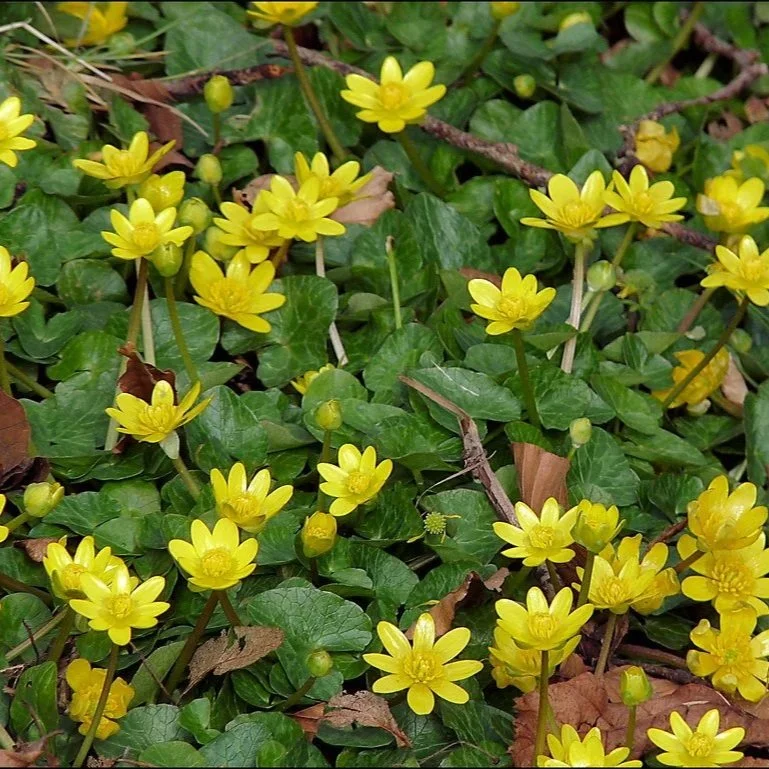
5. Invasive Lesser Celandine
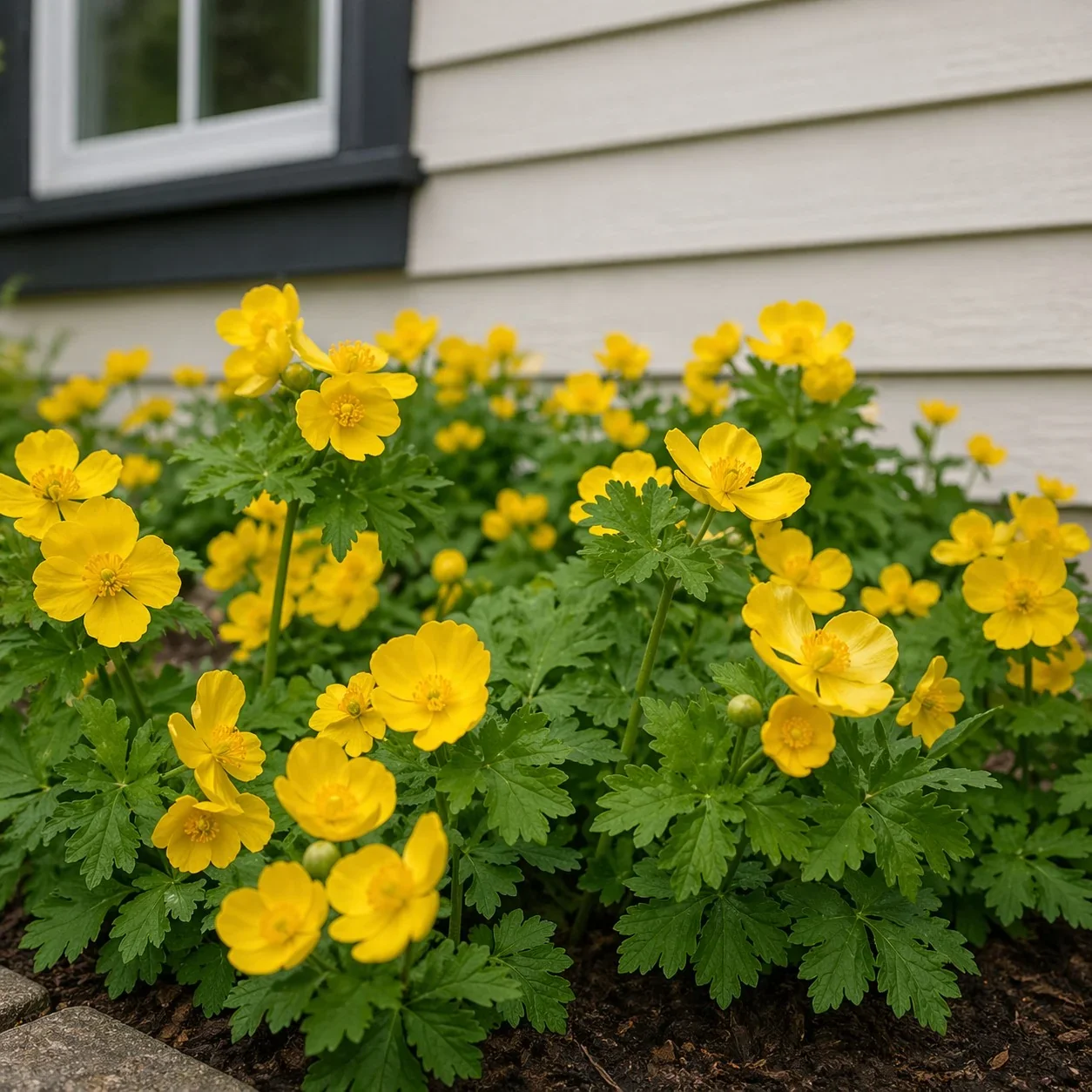
Native Alternative - Wood Poppy (Stylophorum diphyllum): grows up to 1.5 feet tall and up to 1 foot in width. Is an early bloomer typically starting in April with bright yellow flowers above green leaves that can act as a robust ground cover. It prefers part sun to full shade in loamy wet soil.
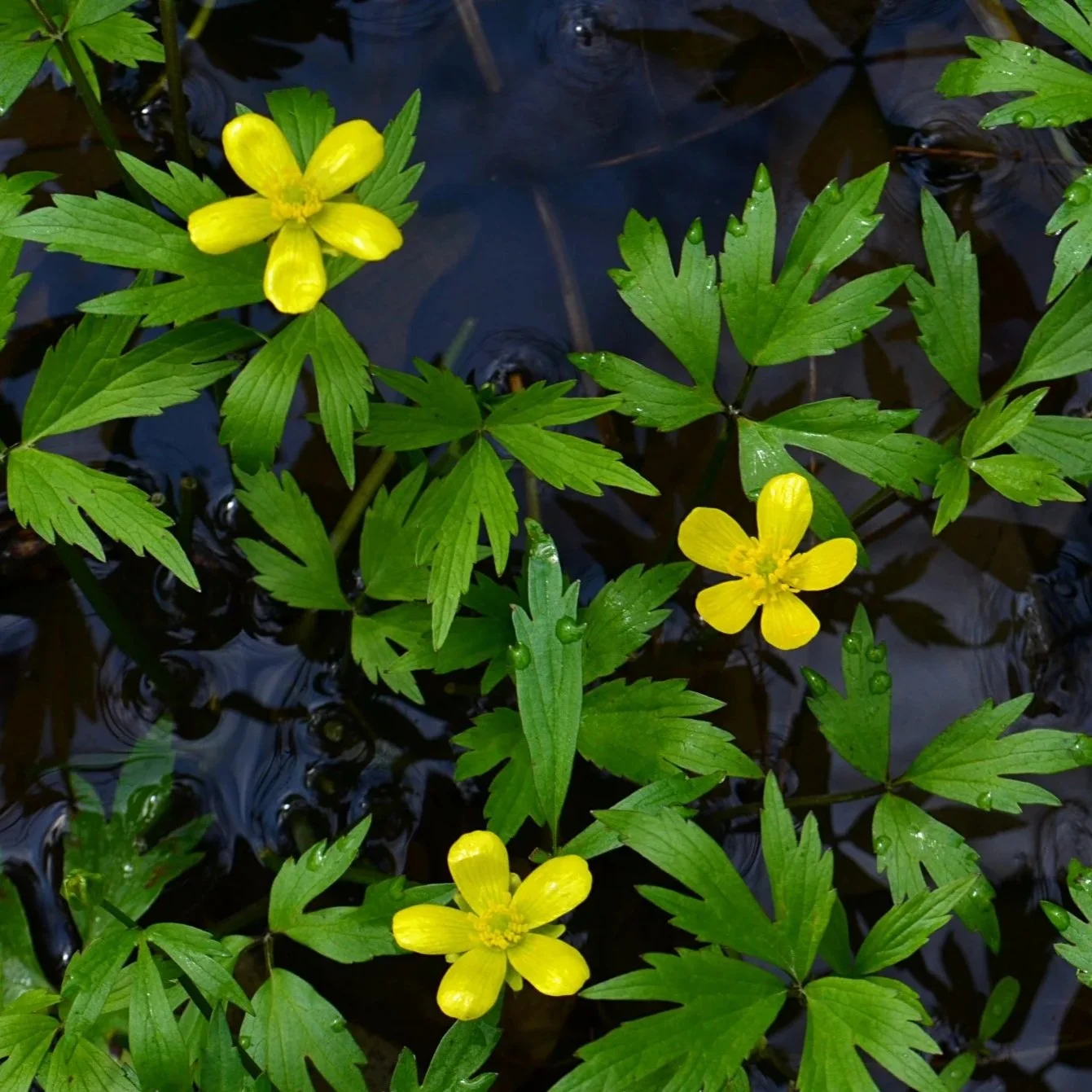
Native Alternative - Swamp Buttercup (Ranunculus septentrionalis): grows from 6 to 18 inches tall with low-lying leaves that can spread as a ground cover. Like the Wood Poppy, this is an early bloomer with yellow flowers. It prefers full sun to part shade with dry to wet loamy soil.
Non-Native Ornamental Species
Non-native ornamental plants can and do benefit pollinators and the ecosystems they inhabit; they also typically will not spread as aggressively as invasive species and do not cause large financial and ecological issues. However, they still do not provide as many ecological benefits as their native counterparts. This is why we encourage replacing them!
Three Non-Native Ornamentals with Native Alternatives
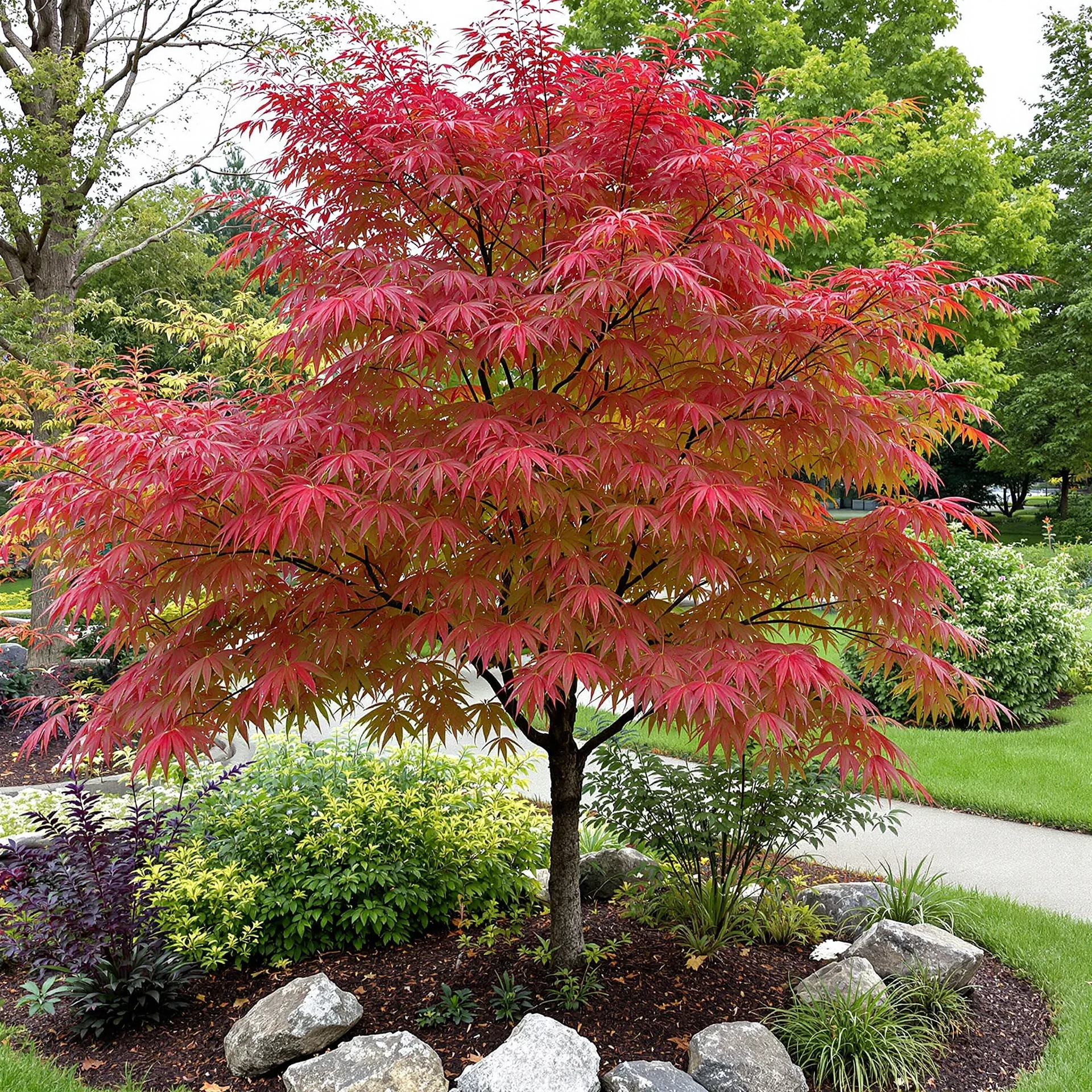
1. Non-Native Japanese Maple
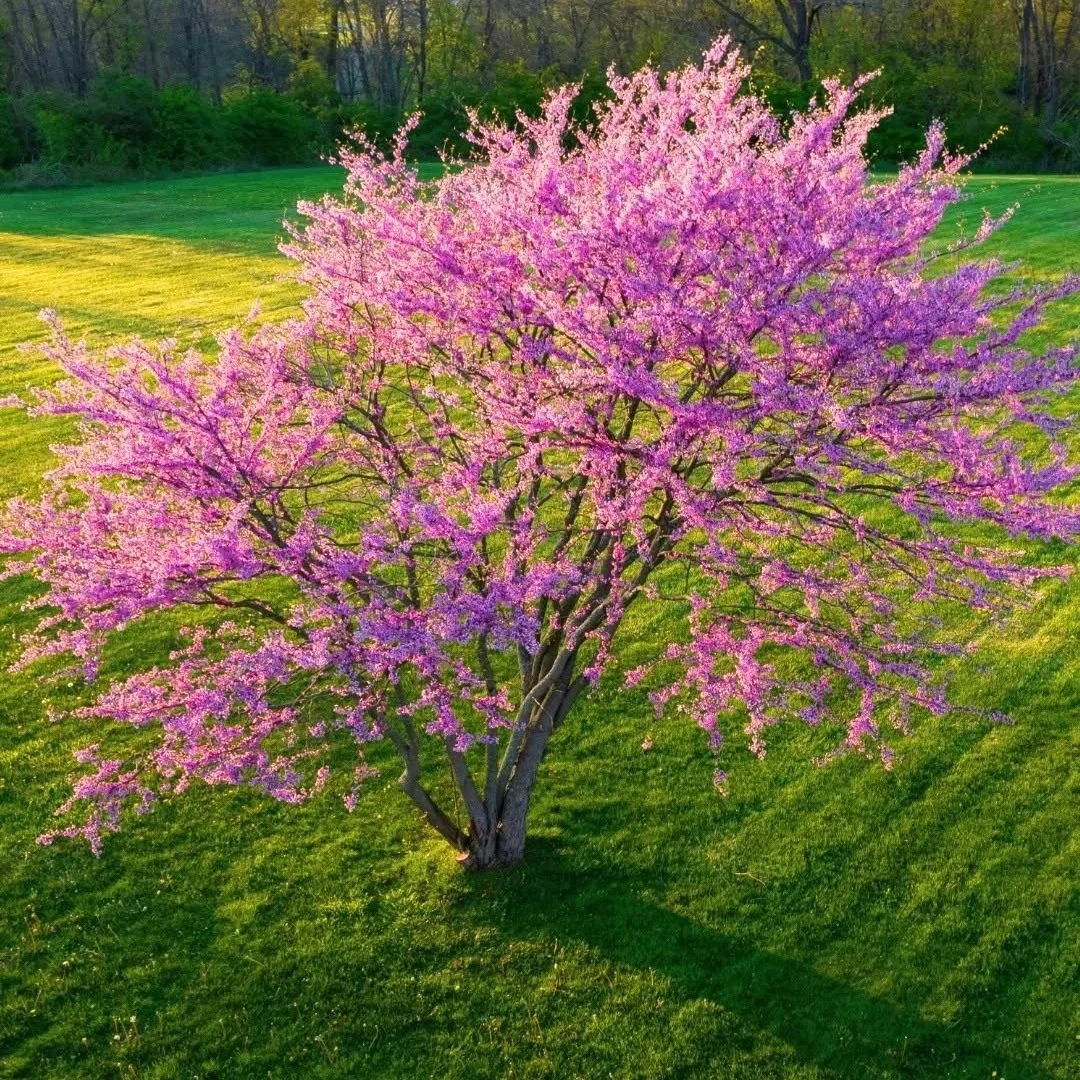
Native Alternative # 1 - Eastern Redbud (Cercis canadensis): smaller size when fully mature (20 to 30 feet). Has violet/pink flowers when in bloom and distinctive heart-shaped leaves that turn yellow in the fall, making it an exciting visual throughout the seasons. Can tolerate part shade but prefers full sun. Prefers moist well-drained clay and sandy soil.
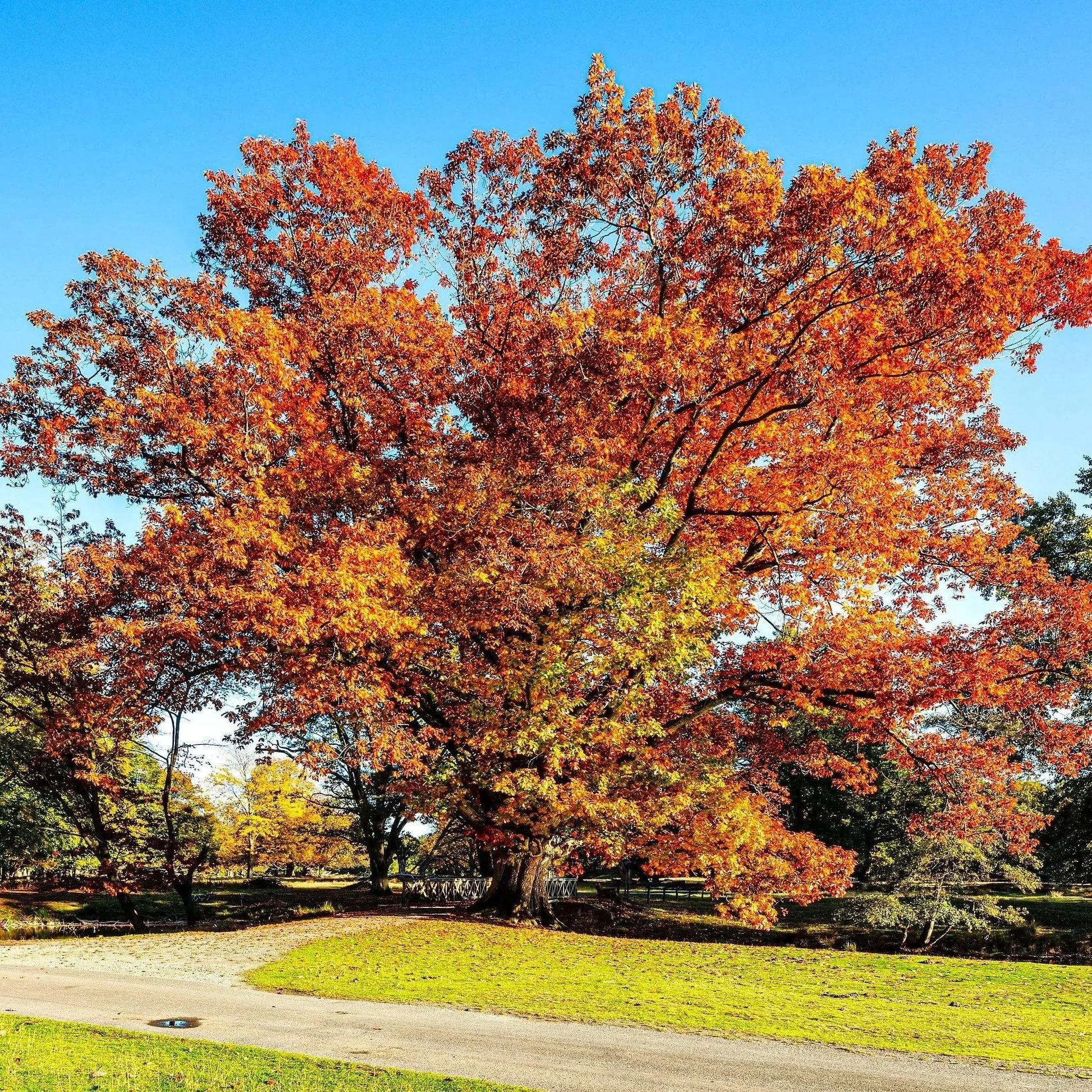
Native Alternative #2 - Northern Red Oak (Quercus rubra): a fast-growing tree compared to other oaks and can get up to 50 to 75 feet tall. Foliage turns bright red in the fall. Provides food for birds and small mammals in the form of acorns. Prefers full sun to shade and moist, well-drained soil consisting of sandy/clay heavy loam.
2. Non-Native Hostas
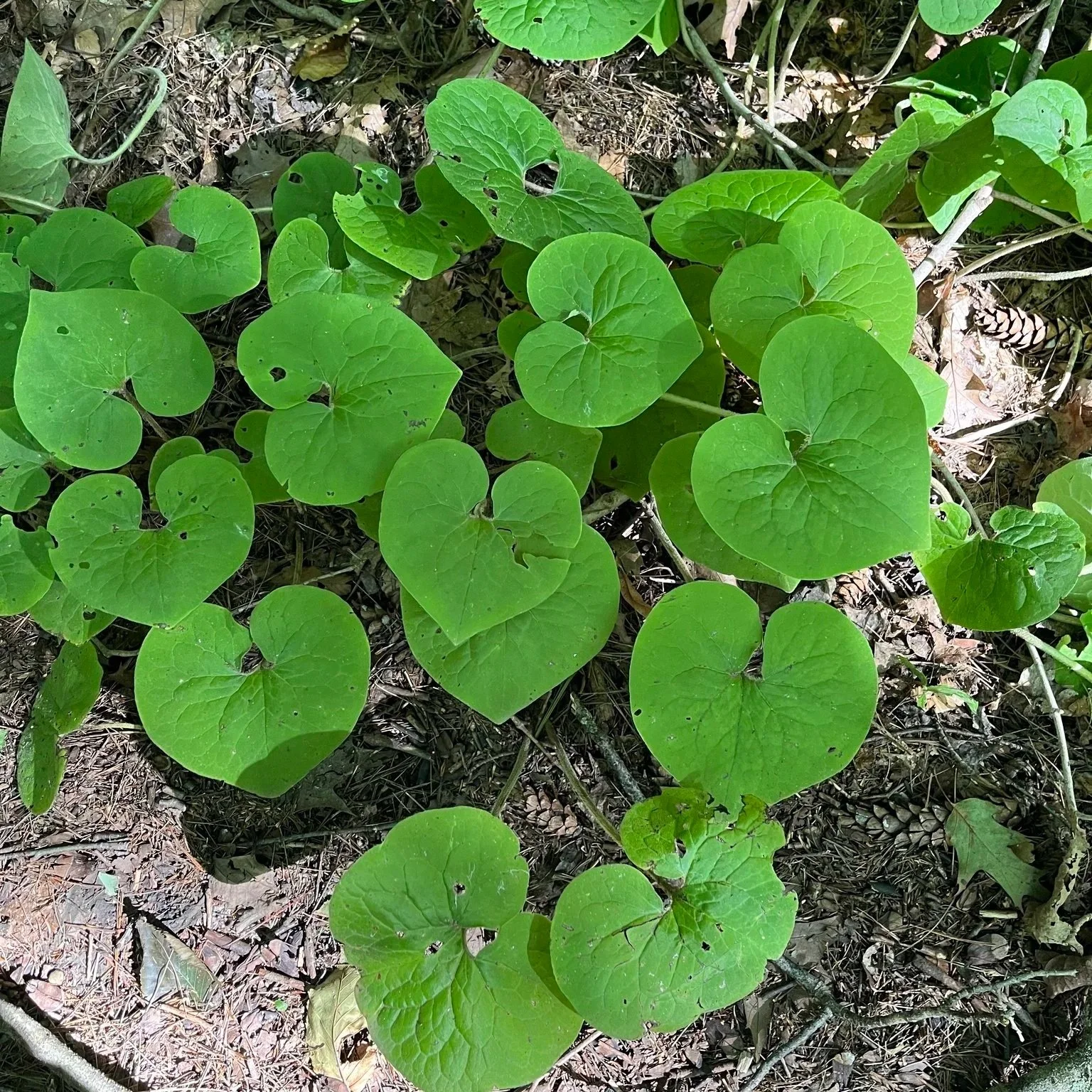
Native Alternative #1 - Wild Ginger (Asarum canadense): a low-lying ground cover that keeps its foliage throughout the season. Has large heart-shaped leaves that mimic those of hostas and produces a red flower that’s hidden under the foliage. Prefers full to part shade and moist well-drained sandy/loamy soil.
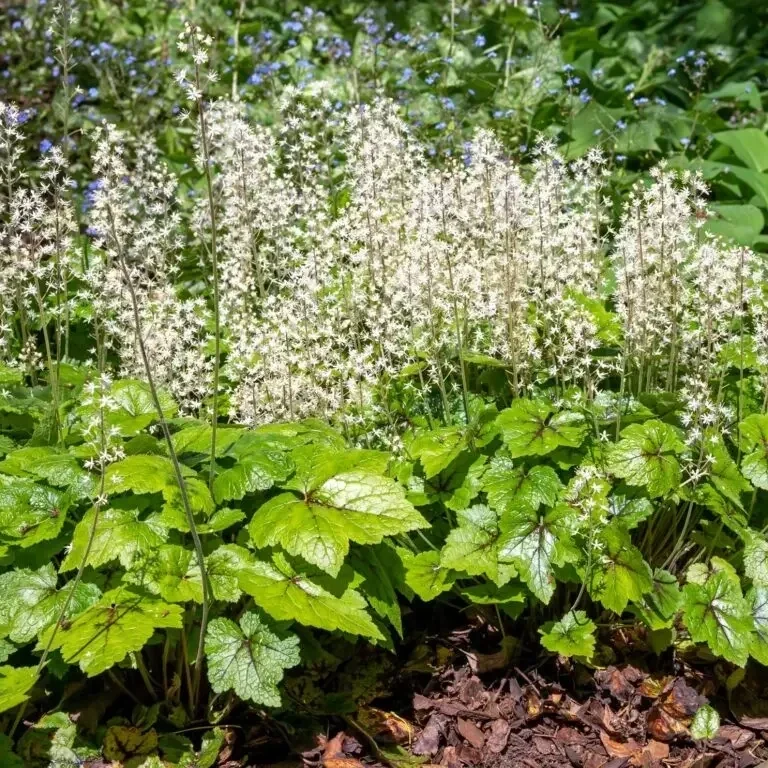
Native Alternative #2 - Foamflower (Tiarella cordifolia): low-lying foliage with stalks of flowers that grow up to 16 inches tall. It produces star-shaped white/pink flowers. Prefers full shade and moist well-drained soil but can also tolerate clay and sand depending on moisture retention. Often needs a mixture of compost and rich soil.
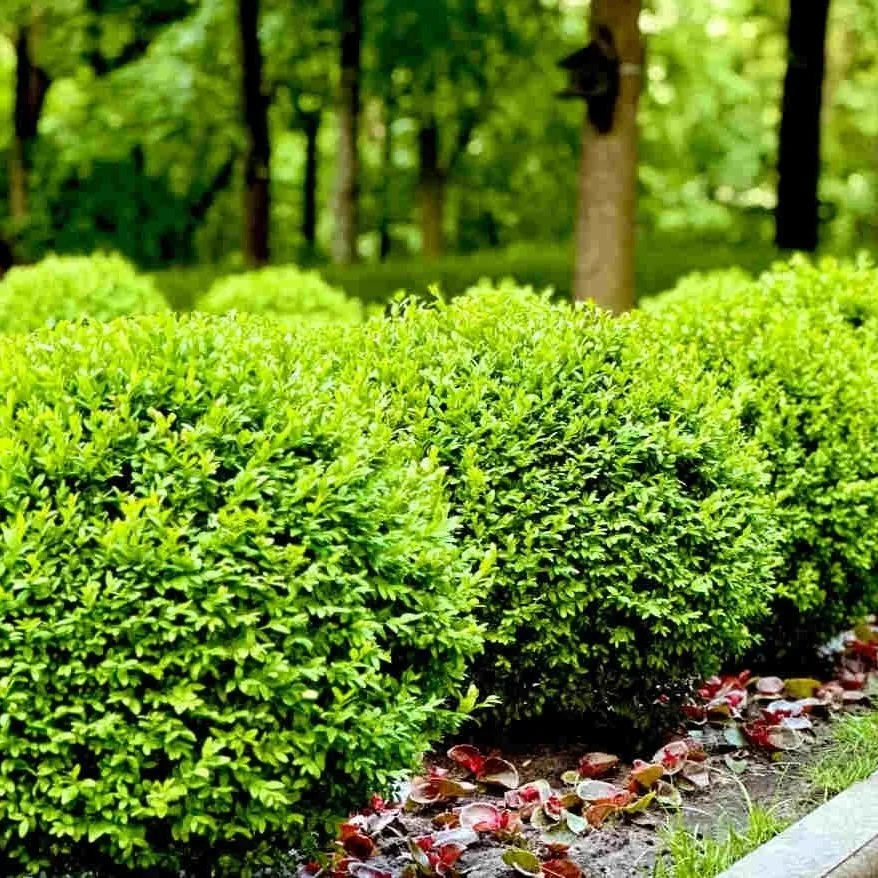
3. Non-Native Boxwood
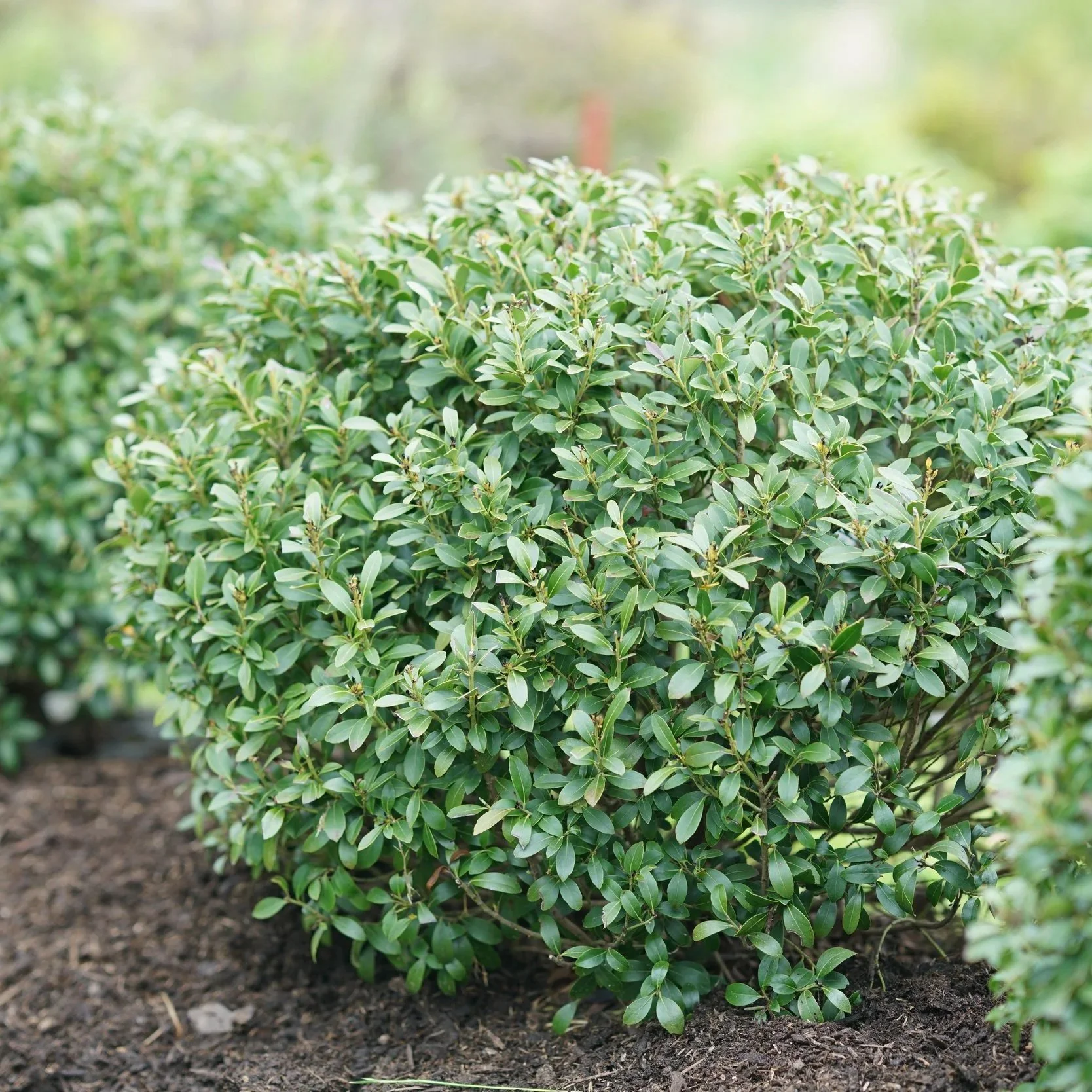
Native Alternative #1 - Inkberry Holly (Ilex glabra): Can grow up to 12 feet tall and 12 feet wide. The berries attract birds and small mammals. Grows in moist to wet soil but can survive in most soil types with full sun to part shade. This plant species isn’t native to Michigan but is native to specific parts of North America (specifically found along the coastal plane and eastern seaboard).
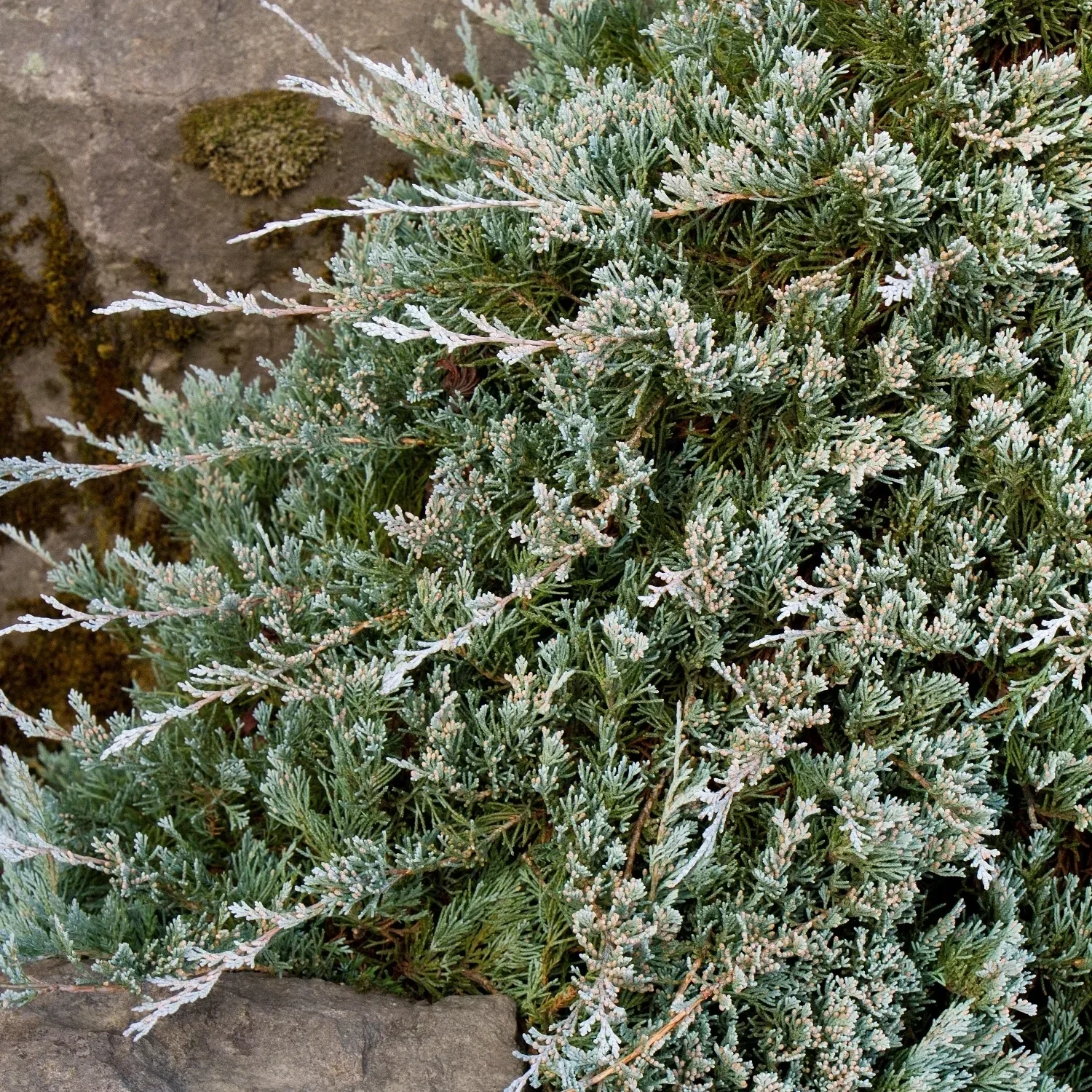
Native Alternative #2 - Creeping Juniper (Juniperus horizontalis)/Common Juniper (Juniperus communis): both species provide food and shelter for wildlife. Creeping juniper is a low-growing shrub that tends to stay under 1 foot tall and can spread up to 10 feet in diameter. Common juniper grows up to 4 feet tall but doesn’t spread horizontally as much as the creeping variety. Common junipers are frequently found as a shrub but can also be seen as a tree in certain circumstances. Both species typically grow in rocky, dry soil and require full sun to thrive.
Conclusion
When you’re planning your garden, choose native plants over non-natives and invasives. Natives provide food and shelter for wildlife and they’re adapted to survive in their natural ranges, meaning they require less maintenance and watering. Many non-natives and invasives have native substitutes that provide the same aesthetics and greater hardinesses. Learn more about native plants at https://www.crwc.org/native-plants.
FAQs
1. Why should I avoid planting non-native and invasive plants in my garden?
Invasive species offer little to no benefits to the ecosystem, and they create financial and ecological problems if left unchecked.
2. Why should I choose native plants instead?
By replacing non-natives and invasives with native species, we can avoid the expense of managing them. Native species also provide countless ecological benefits to the environment around us.
3. What should I consider when planting natives?
Soil, sun, and water requirements as well as spreading habits are important to consider when replacing invasive species with native ones.
4. What should I do if I find an invasive species?
If you find invasive species, you can report them using the Midwest Invasive Species Information Network (MISIN).
5. Which native species should I consider for my garden?
If you were considering any of the following invasive species, check out these native alternatives.
Invasive Buckthorn
Native Alternative #1 - American Hazelnut (Corylus americana)
Native Alternative #2 - Pussy Willow (Salix discolor)
Invasive Bradford Pear
Native Alternative #1 - Serviceberry (Amelanchier spp.)/Downy Serviceberry (Amelanchier arborea)
Native Alternative #2 - Flowering Dogwood (Cornus florida)
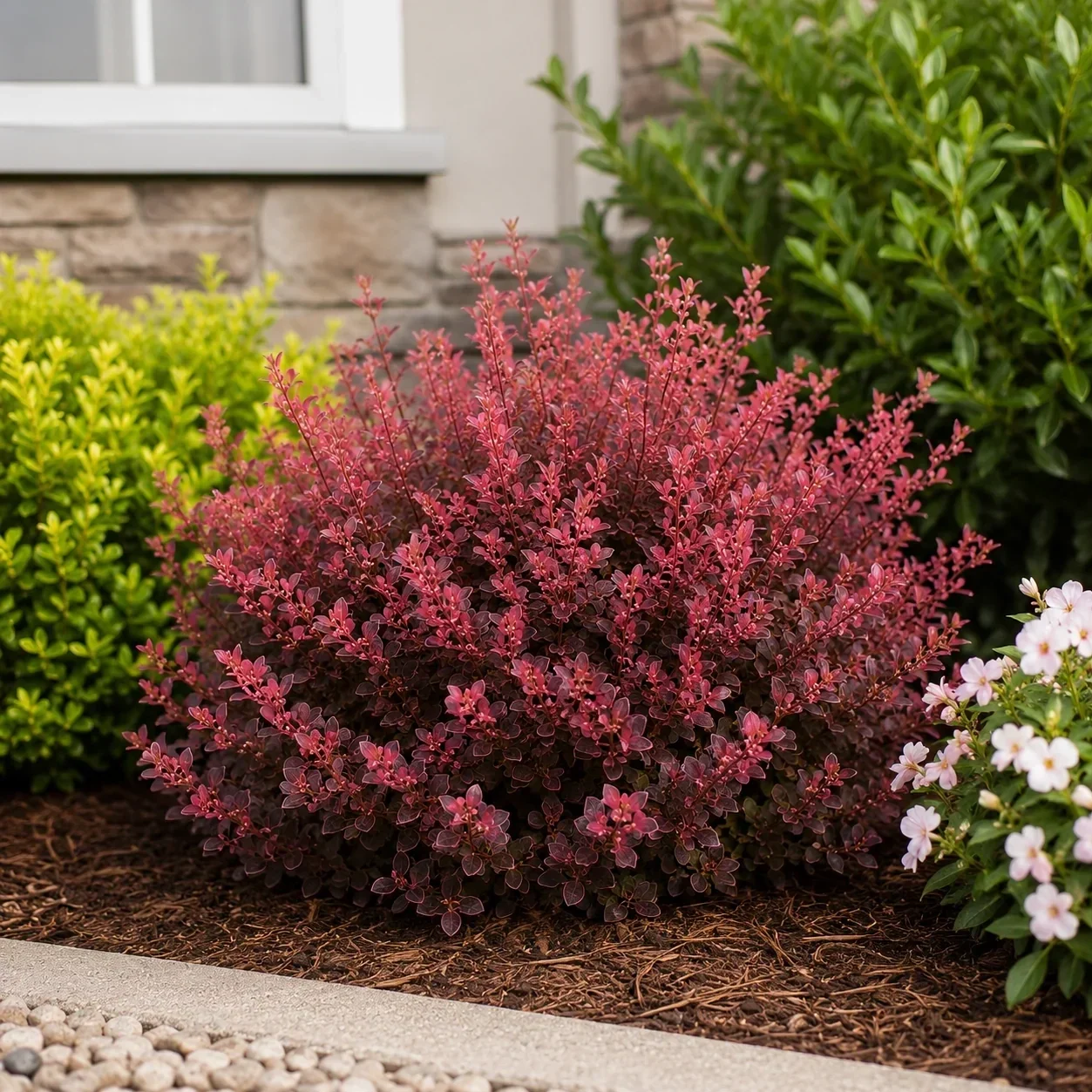
Invasive Japanese Barberry
Native Alternative #1 - Common Ninebark (Physocarpus opulifolius)
Native Alternative #2 - Aromatic Sumac (Rhus aromatica)
Invasive Purple Loosestrife
Native Alternative #1 - Dense/Marsh Blazing Star (Liatris spicata)
Native Alternative #2 - Fireweed (Chamaenerion angustifolium)
Invasive Lesser Celandine
Native Alternative - Wood Poppy (Stylophorum diphyllum)
Native Alternative - Swamp Buttercup (Ranunculus septentrionalis)
6. Are there any native alternatives for ornamental plants?
Yes. Consider these native alternatives for the following ornamentals.
Non-Native Japanese Maple
Native Alternative # 1 - Eastern Redbud (Cercis canadensis)
Native Alternative #2 - Northern Red Oak (Quercus rubra)
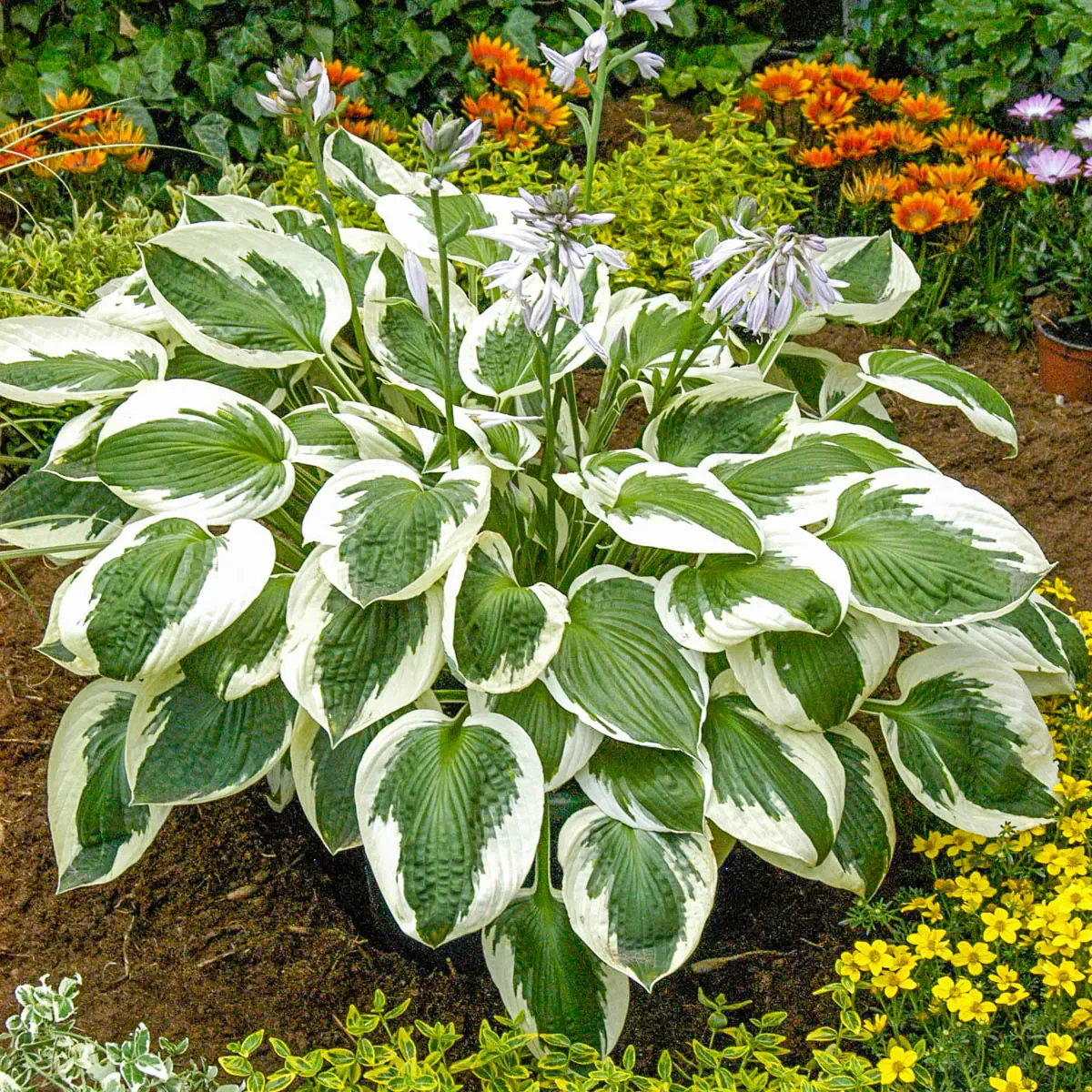
Non-Native Hostas
Native Alternative #1 - Wild Ginger (Asarum canadense)
Native Alternative #2 - Foamflower (Tiarella cordifolia)
Non-Native Boxwood
Native Alternative #1 - Inkberry Holly (Ilex glabra)
Native Alternative #2 - Creeping Juniper (Juniperus horizontalis)/Common Juniper (Juniperus communis)