
Mussel and Road-Stream Crossing Surveys Complete
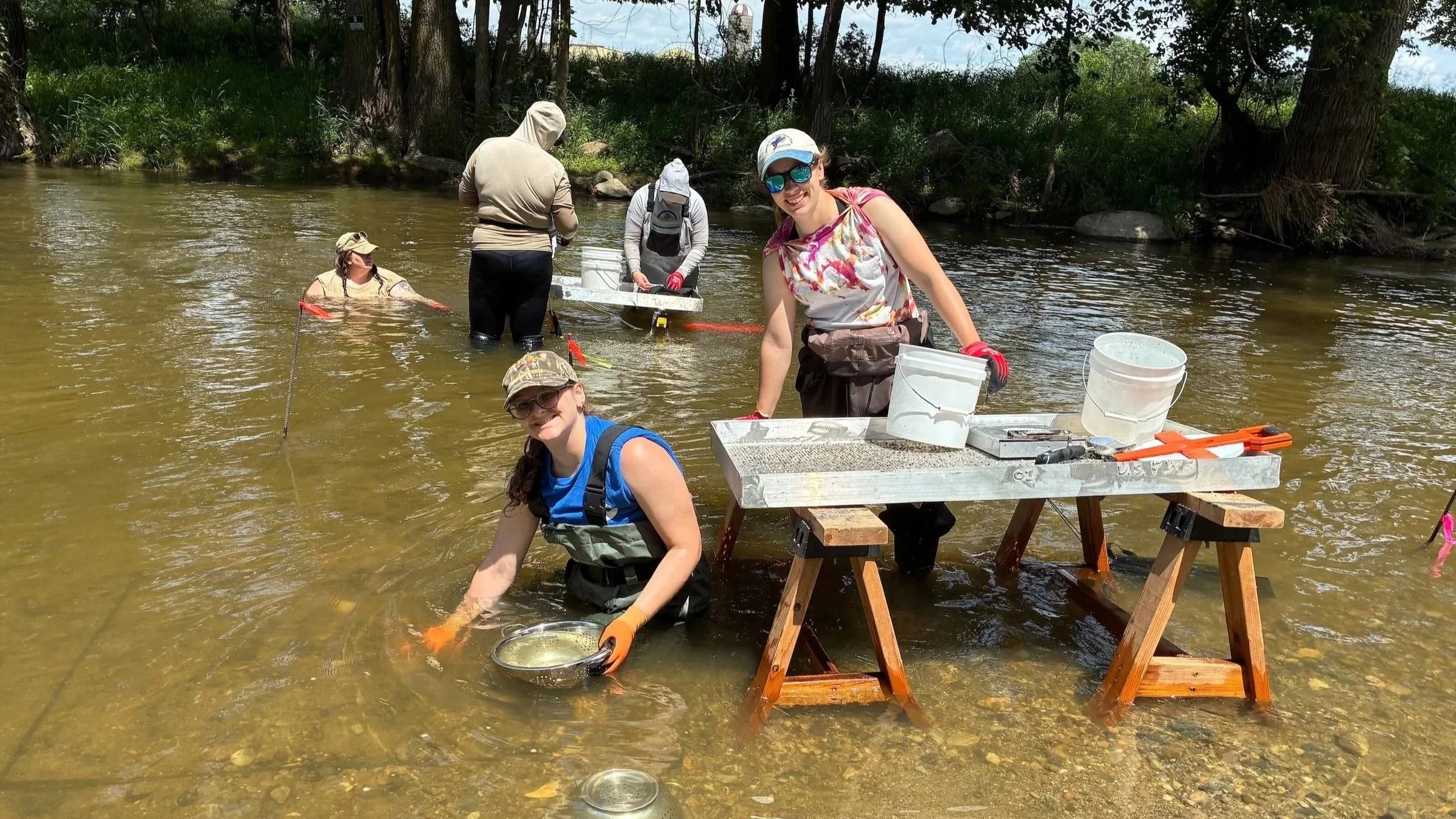
About 72% of Michigan’s native mussel species are listed by the state as threatened, endangered, or special concern. Mussels act as natural filters, enhancing water quality by removing particles and excess nutrients and preventing eutrophication. Eutrophication happens when nutrients (natural or manmade) accumulate, resulting in algal growth, depleting oxygen in the water, and causing environmental degradation. This is a part of why surveying local native populations is an important project for the Clinton River Watershed Council (CRWC) team this summer. The Detroit Zoo is supporting year one of this three-year project, during which the CRWC team will:
Endangered: the species is in danger of extinction throughout all or a significant portion of its range. Threatened: the species is likely to become endangered within the foreseeable future.
Special Concern: the species needs protection to prevent them from becoming threatened or endangered.
Identify priority mussel survey sites
Gather research on mussel species
Develop survey protocols
Complete field training
Conduct reconnaissance at select sites
Video: Learn more about our mussel work
CRWC is very excited about the partnership with the Detroit Zoo and about expanding our work on native mussel conservation and education. Native mussel surveys are time intensive and require permits. It also takes time and specific training to learn how to identify and find these creatures. These factors are part of the reason why there are data and knowledge gaps surrounding native mussel abundance and distribution in Michigan.
Road-Stream Crossings
This work was conducted in conjunction with another CRWC project focused on road-stream crossings. The purpose of this work is to identify the locations and conditions of road-stream crossings in order to increase safety and habitat connectivity. Improvement projects that result from this effort may require prior mussel surveys to determine how the work will affect the mussel population. So, the combination of these two projects is an efficient choice. The road-stream crossing work involves the evaluation of 160 crossings over a two-year period.
Video: Learn more about road-stream crossing surveys
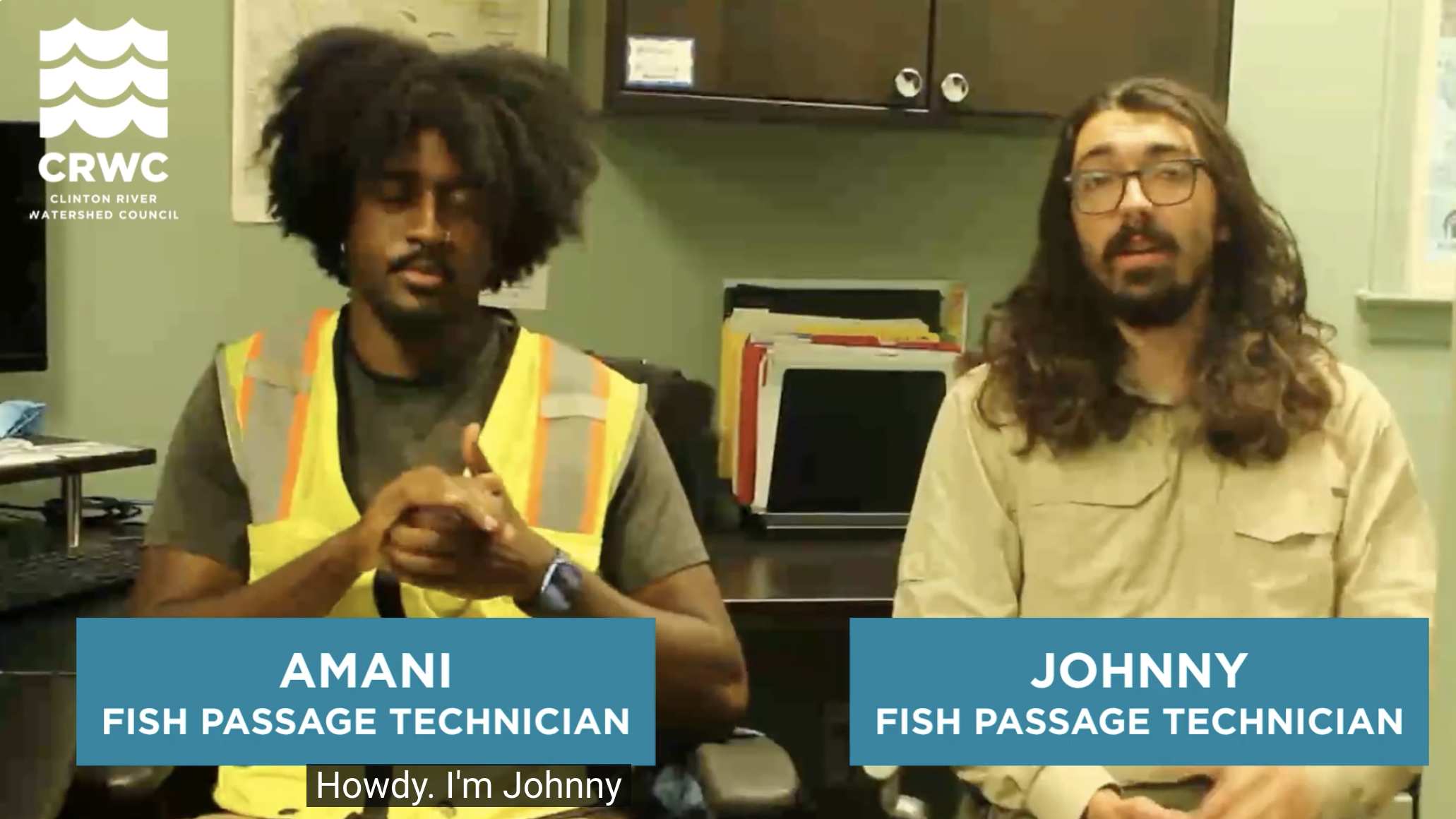
CRWC hired two fish passage technicians to help with the work: Johnny Palmer and Amani Tolin. Their task was to identify crossings that limit fish passage and natural flow in the North Branch, Stony Creek, and Paint Creek subwatersheds. Amani holds a master’s degree in Ecosystem Science & Management from the University of Michigan. Johnny earned a bachelor’s degree in Biology from Central Michigan University. Both have prior experience in the environmental field.
The technicians were in charge of project implementation, conducting road-stream crossing inventory assessments, and processing, organizing, and digitizing data. Their goal was to assess the condition of the crossings and to identify barriers to fish passage, natural flow regimes, and habitat connectivity.
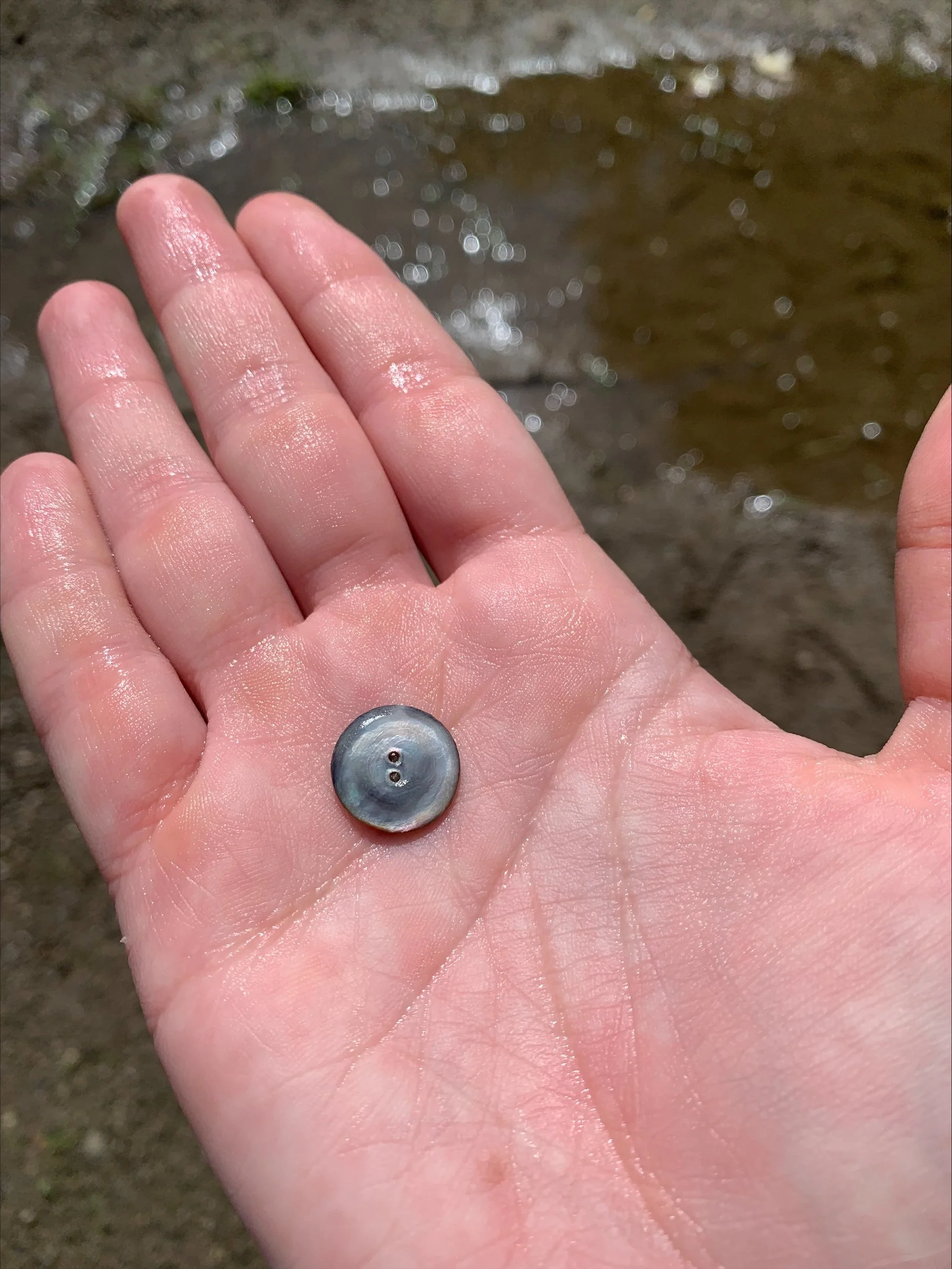
In addition, CRWC teamed up with several partners for further native mussel. This summer, the team assisted the U.S. Fish and Wildlife Service with a mussel relocation effort to protect them from being smothered by sediments from a dam removal. In addition to mussels, the team found a mussel button, estimated to be around 100 years old. At the time, Michigan was home to button manufacturers that used the inside of mussel shells to make buttons. This is another major contributing factor for the decline of native mussels.
In September, the team also assisted the Michigan Department of Natural Resources, the U.S. Fish and Wildlife Service and the U.S. Geological Survey (USGS) to stock approximately 2,800 snuffbox mussels in several locations on the Clinton River and Cass Lake.
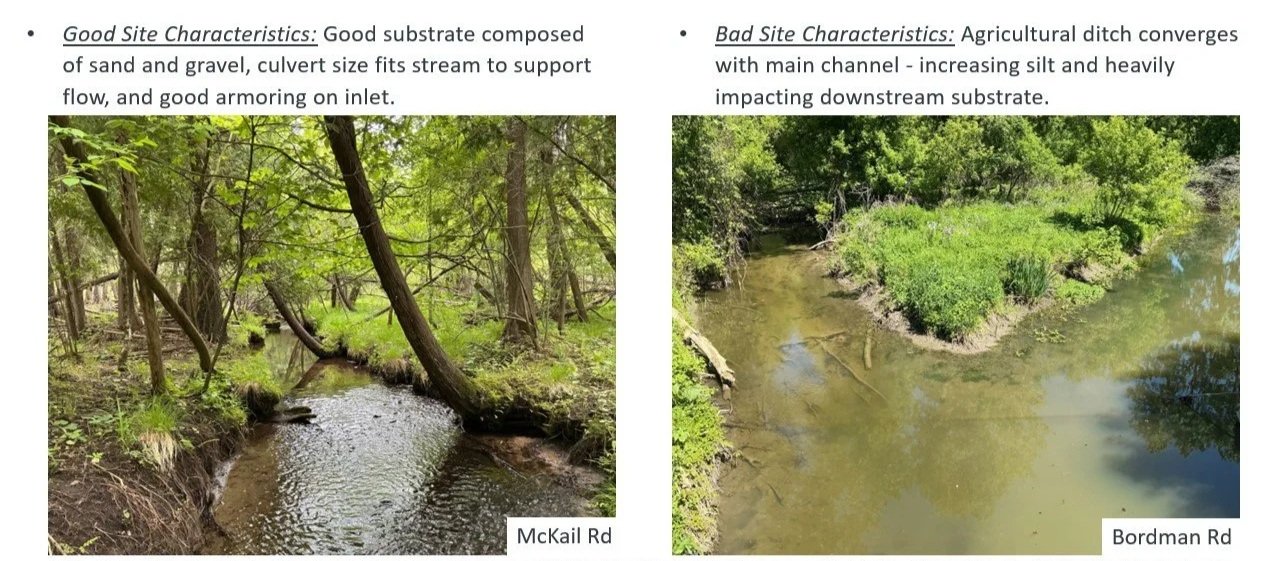
Road-Stream Crossing Examples
FAQS
1. Why are native mussels important?
Mussels act as natural filters, enhancing water quality by removing particles and excess nutrients and preventing eutrophication.
2. Why do you conduct native mussel work?
About 72% of Michigan’s native mussel species are listed by the state as threatened, endangered, or special concern.
3. What are road-stream crossings?
Road-stream crossings are the location where a human-made structure such as a road, bridge or culvert intersect with a waterway.
4. Why survey road-stream crossings?
The purpose of this work is to identify the locations and conditions of road-stream crossings in order to increase safety and habitat connectivity. Crossings can limit fish passage and natural flow.