

Planting a Successful Rain Garden - Part 3: Selecting Plants

Natalie Britton
Liliana Holyfield
Calculating the number of plants
When it comes to rain gardens, the right number of plants is just as important as the square footage. You can use the following equation to estimate how many plants you’ll need to fill your space.
Sq. ft./2.25 = estimated number of plants
For example, if your garden is 150 sq. ft., you’ll want around 66 plants. This will help your garden get a good start, and in a few years, you’ll see it fill out as the plants start spreading.
Factors to consider
When choosing your plants, consider what is most important to you in your rain garden.
Do you want something that will bloom from May to October?
Is there a certain color scheme that you want to create? For example, purple and yellow are a popular color combination and is a hit with your local pollinators!
Where will you view your garden from? A backyard patio, the front sidewalk, your window? This will help you determine where to place the tallest plants (towards the back) so you can see the shorter plants in the front.
Do you want plants that spread aggressively, so you won’t have to weed very often? Or are you excited to be more hands-on and to add new plants to your garden every season?
What best fits your needs?
Do you need dog-safe plants or deer-resistant plants?
Are you looking for manicured or compact plants that more closely match an English garden style? (some examples are purple dome New England aster or goldfinger potentilla).
Do you prefer something more wild that matches a natural ecosystem look, like that of a gorgeous prairie or a woodland understory?
Weather patterns
Take note of the following to help you select plants that will thrive:
How much sun does the area get?
If your area gets scorched with sun, pick sun-loving plants like black eyed Susan, milkweed, switch grass, yellow coneflower, blazing star, golden Alexander, lobelia, and blue vervain.
If it’s full shade, don’t worry – you can still grow some wonderful woodland plants including ferns, sedges, wild ginger, columbine, wild strawberry, asters, golden rods, anemones, and more!
How wet does the area get in the spring, and how dry does it get in the summer? Choose plants that can thrive in the most extreme conditions.
In extremely dry soils, think about including some prairie plants like little bluestem grass, rattlesnake master, smooth aster, purple coneflower, and milkweed.
In wet areas that experience long periods of standing water, plant turtlehead, blue flag iris, swamp rose mallow, joe pye weed, and sedges.
Choose where to place your plants based on their characteristics.
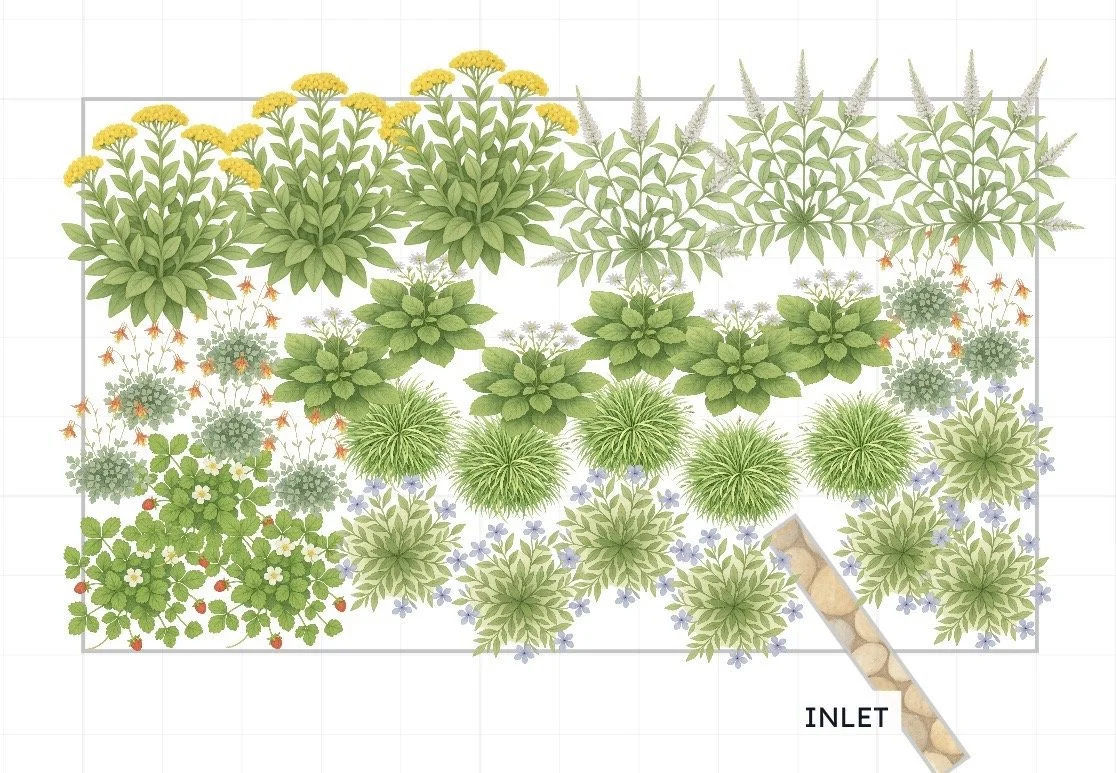
In rain gardens, the tallest plants should be placed along the back and sides of the garden, while shorter plants go in front.
Plant species should be grouped in odd numbers. Grouping plants creates density in your garden.
Wet-loving plants should be placed in the middle--the flattest region of your garden--while dry-tolerant plants can be placed along the sides.
Native plant choices
It’s important to stay flexible when selecting plants for a rain garden. As you’re picking plants, make note of alternate choices that have similar texture, color, height, and bloom time. It’s easy to get attached to the incredible plants that we have here in the Great Lakes, but sadly some plants can be hard to find at greenhouses or sales in your local area. Here are some swaps we’ve made recently: '
1. Thimbleweed for Canada anemone (both have early-blooming white flowers)
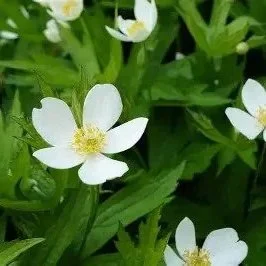
Thimbleweed
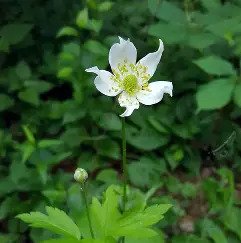
Canada anemone
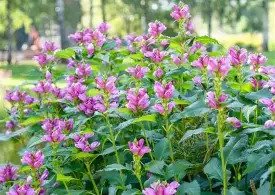
2. Obedient plant for pink turtlehead (both pink, fall-blooming, 2-4 feet tall)
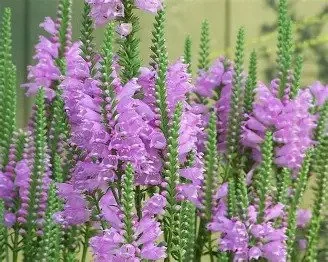
Obedient plant
Pink turtlehead
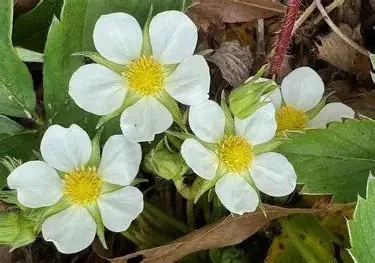
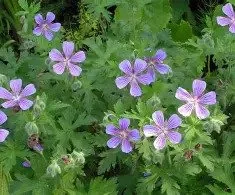
3. Wild strawberry for wild geranium (both groundcover, spring-blooming)
Wild strawberry
Wild geranium
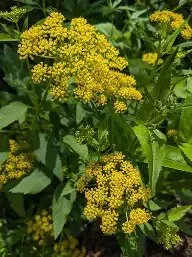
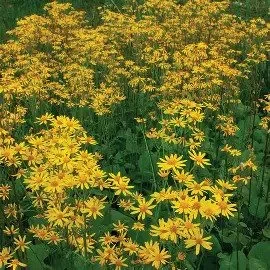
4. Prairie alexander for golden ragwort (3 feet tall, yellow flowers, same bloom time)
Prairie alexander
Golden ragwort
Garden Designs
Here are some quick design examples for different combinations of soil and sun:
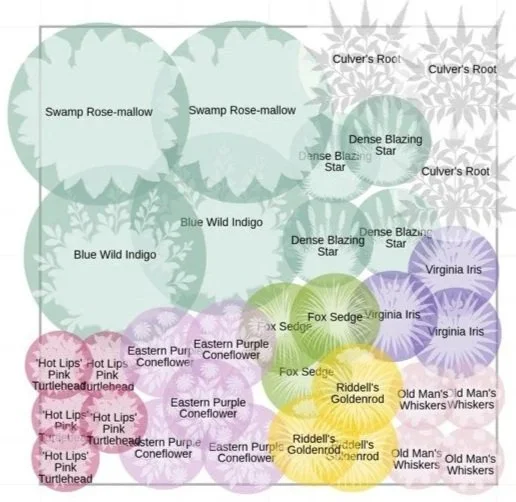
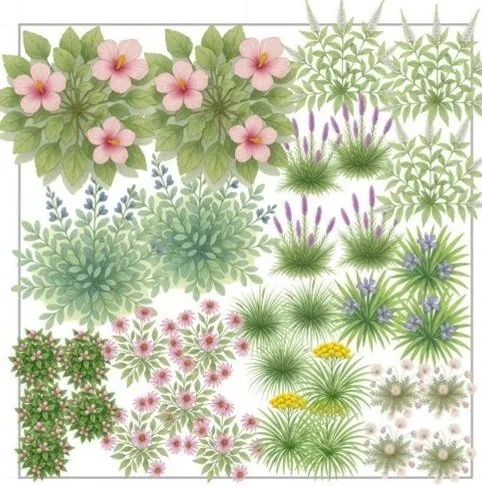
Full sun with clay soil
10 ft. x 10 ft. = 100 sq. ft. garden. Approximately 44 plants needed.
Pink turtlehead, eastern purple coneflower, riddles goldenrod, old man’s whisker, fox sedge, swamp rose mallow, blue wild indigo, dense blazing star and Virginia iris.
Full sun with sandy soil
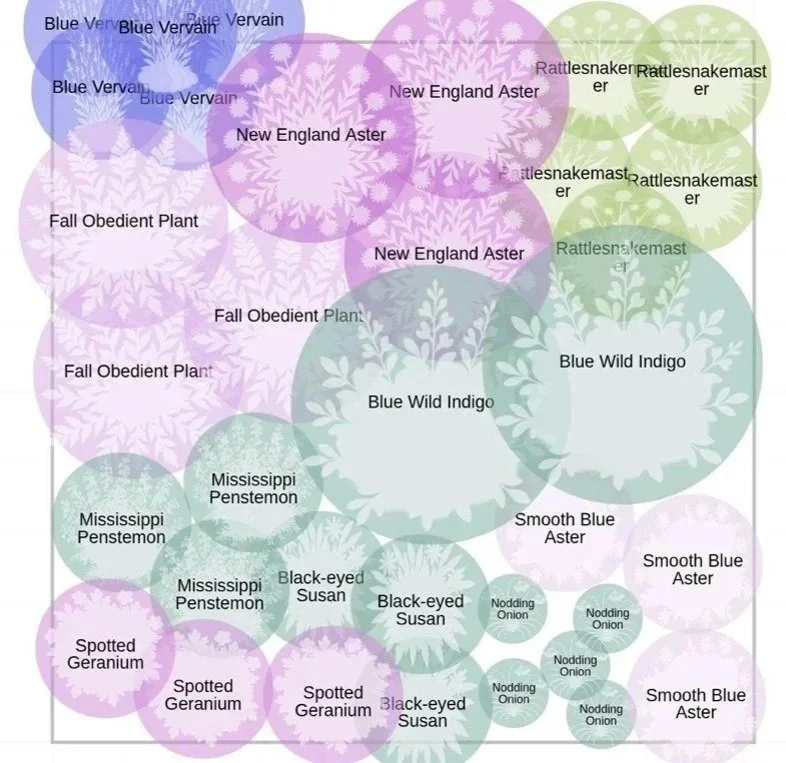
10 ft. x 10 ft. = 100 sq. ft. garden. Approximately 44 plants needed.
Spotted geranium, black eyed Susan, nodding onion, smooth blue aster, Mississippi penstemon, fall obedient plant, blue wild indigo, blue vervain, New England aster, rattlesnake master.
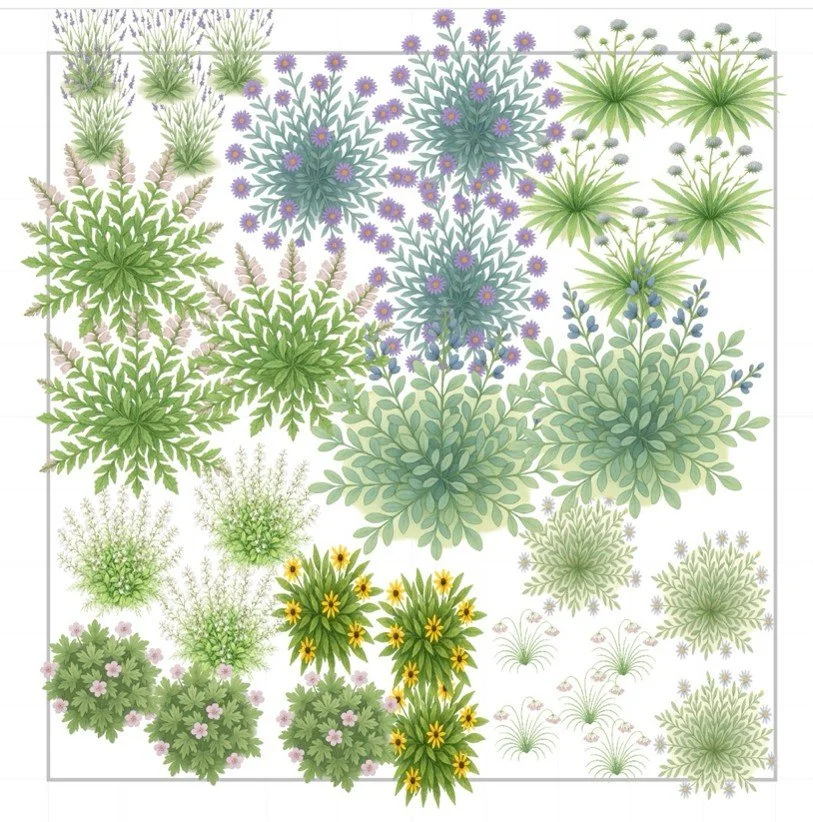
Shade with clay soil
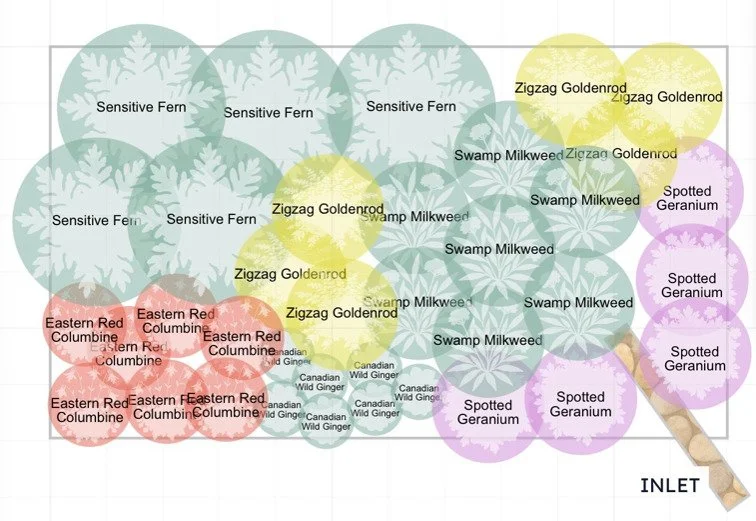
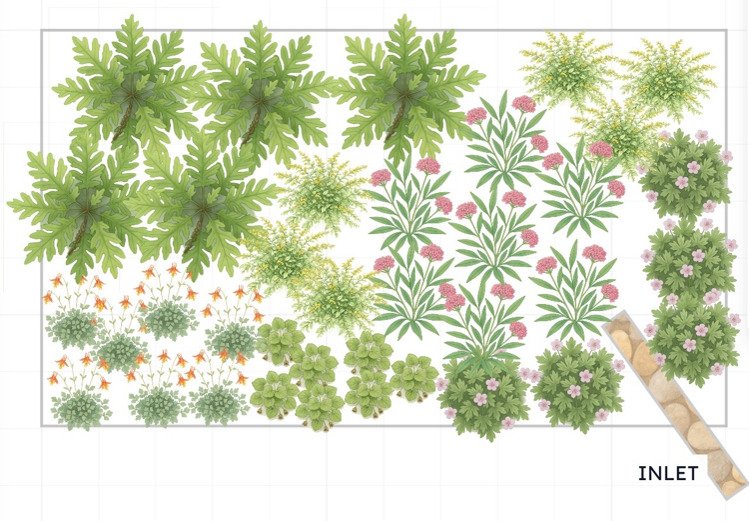
12 ft. x 7 ft. = 84 sq. ft. garden. Approximately 37 plants needed.
Sensitive fern, zigzag goldenrod, columbine, wild ginger, swamp milkweed, wild geranium.
Shade with sandy soil
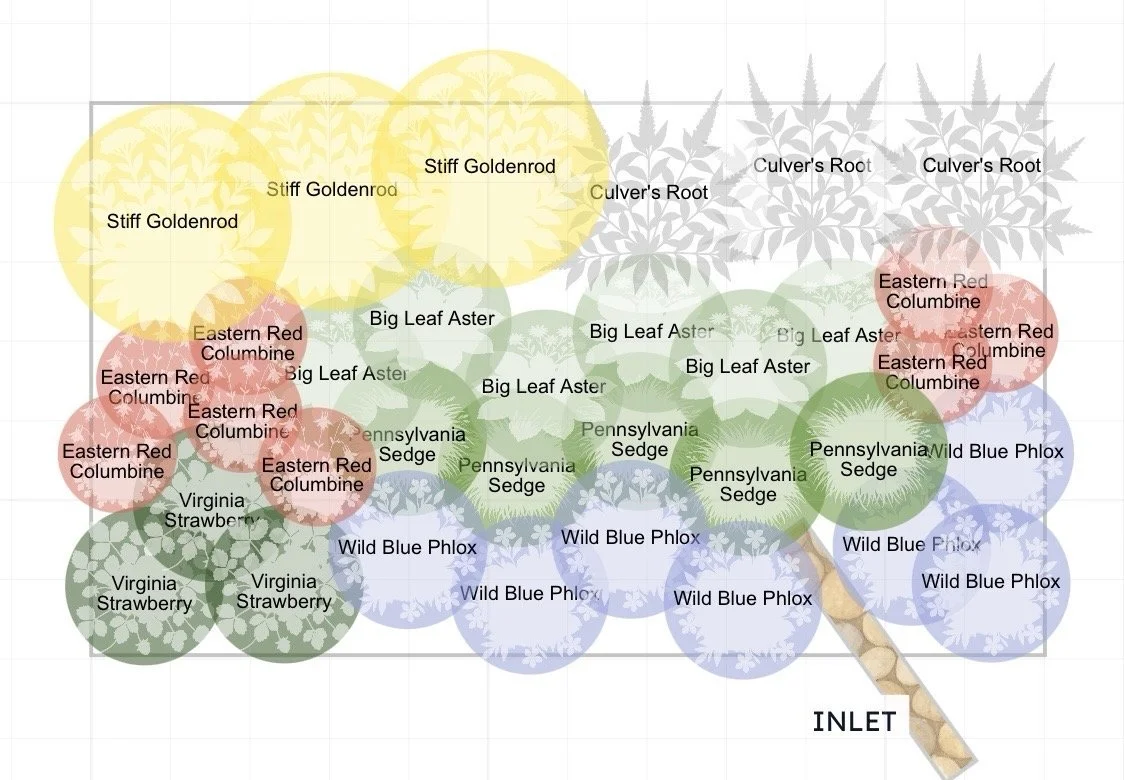
12 ft. x 7 ft. = 84 sq. ft. garden. Approximately 37 plants needed.
Rigid goldenrod, columbine, woodland phlox, Pennsylvania sedge, big leaf aster, wild strawberry, Culver’s root, sensitive fern, zigzag goldenrod, columbine, wild ginger, swamp milkweed, wild geranium.
Visit our website to learn more about native plants and join us for our native plant sale on Sept. 19 And don’t forget to check out our rain barrel sale now through Sept. 6.
Conclusion
When it comes to rain gardens, the right number of plants is just as important as the square footage. When choosing your plants, consider what is most important to you in your rain garden and take note of weather conditions to help you select plants that will thrive. And Remember, it’s important to stay flexible when selecting plants for a rain garden.
FAQS
1. How many plants do I need in my rain garden?
You can use the following equation to estimate how many plants you’ll need to fill your space.
Sq. ft./2.25 = estimated number of plants
For example, if your garden is 150 sq. ft., you’ll want around 66 plants.
2. What kinds of plants will do best in my rain garden?
If your area gets scorched with sun, pick sun-loving plants like black eyed Susan, milkweed, switch grass, yellow coneflower, blazing star, golden Alexander, lobelia, and blue vervain.
If it’s full shade, don’t worry – you can still grow some wonderful woodland plants including ferns, sedges, wild ginger, columbine, wild strawberry, asters, golden rods, anemones, and more!
In extremely dry soils, think about including some prairie plants like little bluestem grass, rattlesnake master, smooth aster, purple coneflower, and milkweed.
In wet areas that experience long periods of standing water, plant turtlehead, blue flag iris, swamp rose mallow, joe pye weed, and sedges.
3. Where should I place the plants in my rain garden?
The tallest plants should be placed along the back and sides of the garden, while shorter plants go in front.
Plant species should be grouped in odd numbers. Grouping plants creates density in your garden.
Wet-loving plants should be placed in the middle--the flattest region of your garden--while dry-tolerant plants can be placed along the sides.
4. What if I can’t find the plant I’m looking for?
Here are some swaps we suggest:
Thimbleweed for Canada anemone (both have early-blooming white flowers)
Obedient plant for pink turtlehead (both pink, fall-blooming, 2-4 feet tall)
Wild strawberry for wild geranium (both groundcover, spring-blooming)
Prairie alexander for golden ragwort (3 feet tall, yellow flowers, same bloom time)
5. What kind of plant should I use for the conditions in my yard?
Full sun with clay soil: Pink turtlehead, eastern purple coneflower, riddles goldenrod, old man’s whisker, fox sedge, swamp rose mallow, blue wild indigo, dense blazing star and Virginia iris.
Full sun with sandy soil: Spotted geranium, black eyed Susan, nodding onion, smooth blue aster, Mississippi penstemon, fall obedient plant, blue wild indigo, blue vervain, New England aster, rattlesnake master.
Shade with clay soil: Sensitive fern, zigzag goldenrod, columbine, wild ginger, swamp milkweed, wild geranium.
Shade with sandy soil: Rigid goldenrod, columbine, woodland phlox, Pennsylvania sedge, big leaf aster, wild strawberry, Culver’s root, sensitive fern, zigzag goldenrod, columbine, wild ginger, swamp milkweed, wild geranium.